
Bichon Frise: A Friendly Guide to Welcoming This Cheerful Companion
Introduction
The Bichon Frise has become a beloved household favorite thanks to its cheerful personality, low-shedding coat, and endearing looks. This overview offers practical insights for anyone thinking about sharing life with one of these small dogs, covering background, traits, daily care, and how to find a healthy, well-socialized puppy.
The Story Behind the Breed
Small, white companion dogs resembling today’s Bichon first appeared in Mediterranean port cities many centuries ago. Sailors often kept them as ship mascots, and their charm later won over European courts. After arriving on other continents, the breed steadily gained admirers and is now a common sight in city apartments and suburban homes alike.
Key Characteristics

Appearance
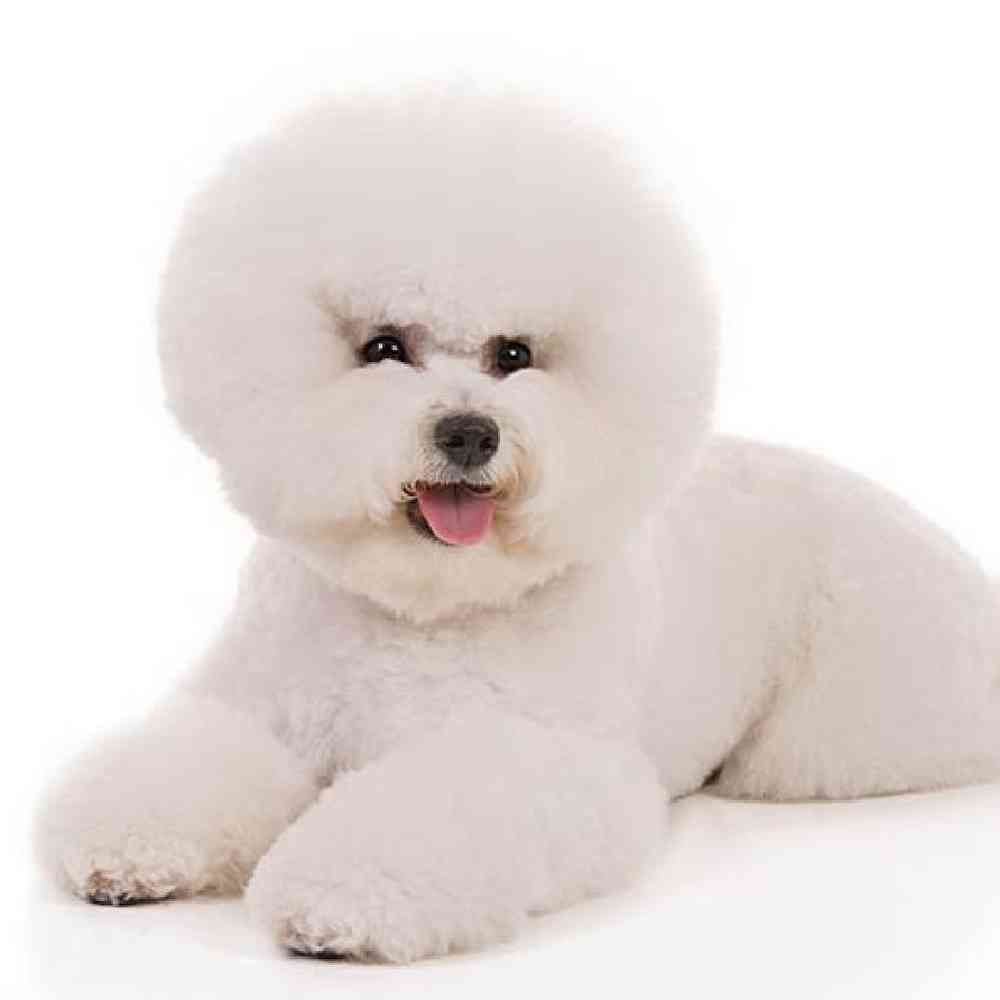
A compact, rounded outline and cotton-like coat give the Bichon its signature “powder-puff” look. The crisp white hair grows continuously and sheds very little, making routine trims a necessity and allergy sufferers’ lives easier. Many guardians choose a short “puppy clip” to keep daily upkeep simple.
Temperament
These dogs thrive on company. Expect a wagging tail, a playful bounce, and a willingness to learn tricks. They bond strongly with people of every age, adjust well to apartment life, and usually greet strangers as friends they simply haven’t met yet.
Health
Overall, the breed is sturdy, but prospective owners should be aware of possible knee, eye, or skin issues. Regular vet visits, weight control, and dental care go a long way toward preventing problems.

Daily Care
Grooming
Brush several times a week to stop tangles before they start; a monthly bath and professional trim every six to eight weeks keeps the coat manageable and mat-free.
Exercise
Two brisk walks and a few play sessions indoors or in a fenced yard satisfy their moderate energy level. Puzzle toys and short training games provide mental exercise that prevents boredom barking.
Diet

Offer measured meals of high-quality kibble appropriate for small, active breeds; limit treats to keep weight in check and reduce the risk of digestive upset.
Finding a Responsible Source
Health Testing
Good breeders or rescue organizations share recent health screenings for knees, eyes, and heart, and happily discuss results with you.
Temperament & Socialization
Puppies and adults should be raised in a home environment, meeting different people, noises, and surfaces daily. Calm, curious behavior is a sign of solid early socialization.

Breeding Goals
Ask about long-term aims: reputable caretakers focus on sound health, steady temperament, and preservation of breed type rather than rapid turnover or unusual sizes.
Conclusion
A Bichon Frise can slot happily into many lifestyles, bringing laughter, soft cuddles, and a coat that rarely leaves fur on the furniture. By learning about the breed’s needs and choosing a conscientious source, you set the stage for a long, joyful partnership built on mutual affection and care.
Future Research Directions
Areas worth further study include:
1. Expanded genetic panels to reduce inherited conditions.
2. New grooming tools and techniques that simplify coat maintenance.
3. Behavioral assessments measuring adaptability to urban, rural, and travel settings.
4. Trials evaluating the breed’s aptitude for therapy and emotional-support work.