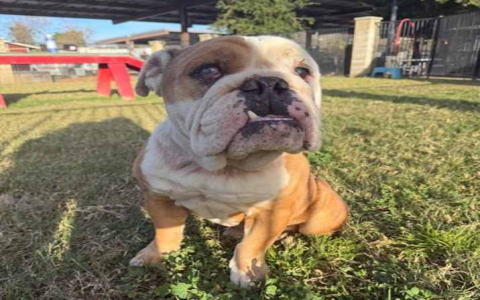
Title: English Bulldogs in the Golden State: A Breeder’s Landscape
Introduction:
The English Bulldog, instantly recognizable by its wrinkled face and steady temperament, has long captured hearts across the nation. In California’s sun-warmed neighborhoods and spacious suburbs, the breed enjoys particular popularity, supported by a network of devoted enthusiasts who balance tradition with modern health priorities. This overview explores how local breeders shape the future of these iconic dogs while navigating an ever-changing landscape of demand, welfare science, and community expectations.
History and Background of English Bulldog Enthusiasts in California
Interest in English Bulldogs took root along the Pacific coast more than a century ago, when early fanciers discovered the dogs adapted well to both coastal breezes and inland warmth. Over decades, informal groups evolved into organized circles focused on preserving breed type and gradually improving fitness. Their shared records, show outings, and informal mentorship laid the groundwork for today’s conscientious breeding culture.
Contribution of California’s Bulldog Community
Breeders up and down the state continue to refine the classic silhouette—broad skull, well-set shoulders, and that unmistakable rolling gait—while paying closer attention to respiratory function, hip alignment, and skin health. Many participate in open health databases, exchange cardiac and tracheal measurements, and select pairings that favor stamina alongside classic looks.
Parallel to individual efforts, regional clubs host fun matches, educational booths at pet expos, and charity walks that spotlight responsible ownership. These gatherings give newcomers a place to ask questions, meet healthy adult dogs, and learn why ethical breeding takes time, patience, and transparency.

Challenges Faced by Modern Breeders
Surging popularity can tempt less-scrupulous operators to cut corners, churning out puppies without health screenings or proper socialization. Such practices burden families with avoidable vet bills and tarnish the breed’s reputation. Ethical breeders counter this trend by welcoming site visits, sharing veterinary documentation, and often retaining puppies longer to ensure correct development.
Built-in health risks—narrow airways, sensitive skin, and joint stress—mean every mating decision carries weight. Breeders budget for specialist exams, genetic panels, and extended warranties, all while facing rising costs for quality feed, housing, and veterinary care. Emotional investment runs high, because producing healthier Bulldogs is a marathon, not a sprint.
Responsible Breeding Practices
Top priorities include cardiorespiratory assessments, patella evaluations, and dermatological checks before any litter is planned. Puppies remain with their mothers for a minimum of eight weeks, during which they encounter varied surfaces, sounds, and people to build confidence. Contracts routinely contain spay-neuter clauses, lifetime return policies, and clear health guarantees, ensuring that no dog ends up homeless if circumstances change.
Collaboration and Education
Open dialogue among breeders, veterinarians, and trainers accelerates progress. Online forums, study groups, and joint research initiatives allow rapid sharing of new findings on nutrition, physiotherapy, and genetic markers. Many enthusiasts also volunteer for shelter outreach, teaching staff how to identify breed-specific needs and dispelling myths that can stigmatize these dogs.
Puppy buyers attend mandatory pre-purchase seminars covering exercise limits, temperature safety, and the importance of maintaining a healthy weight. This shared knowledge reduces surrender rates and builds a support network that lasts throughout each dog’s life.
Impact on the Wider Community
Beyond the kennel gate, responsible breeders stimulate local economies by partnering with groomers, trainers, and specialty retailers. Their participation in therapy-dog programs, school reading initiatives, and veteran support groups showcases the breed’s gentle side, fostering positive headlines and encouraging adoption of welfare-first practices across all breeds.

Conclusion:
California’s English Bulldog custodians serve as both guardians of heritage and agents of change. By combining time-honored standards with cutting-edge science, they strive to produce companions that look like the Bulldogs we love while breathing easier, moving better, and living longer. Continued collaboration, transparent education, and unwavering ethics will ensure future generations can share their lives with healthy, happy Bulldogs that truly embody the best of this cherished breed.