Title: How a Dedicated Breed Rescue Strengthens Animal Welfare and Community Ties
Introduction
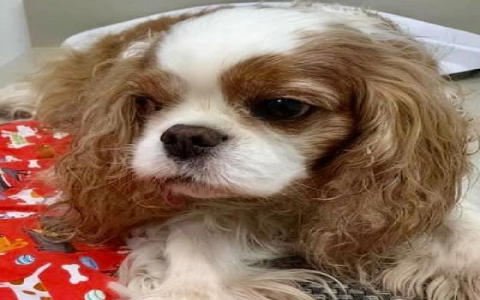
The Cavalier King Charles Spaniel is cherished worldwide for its affectionate temperament and graceful looks. Yet popularity can bring problems: careless breeding and owner surrender leave many of these dogs homeless. A network of volunteer-driven rescue groups has stepped in to offer second chances. This article examines how one such organization improves welfare for the breed while inspiring local communities to care more deeply about animal well-being.
The Importance of Animal Rescue Organizations
Rescue groups fill a critical gap between crowded shelters and permanent homes. They provide short-term foster care, veterinary attention, and behavioral support that prepare animals for adoption. By focusing on a single breed, specialists can tailor medical protocols, training plans, and adopter education to the unique needs of those dogs.
The Challenges Faced by the CKCS Breed
Centuries of selective breeding have produced endearing looks, but also hereditary heart conditions, eye disorders, and joint problems. When owners underestimate the cost or commitment of managing these issues, dogs are often signed over to shelters. Breed-specific rescues therefore see a steady influx of Cavaliers requiring everything from routine dentistry to complex cardiac surgery.
Research shows that toy breeds with medical predispositions are surrendered at higher rates than mixed-breed dogs, underscoring the need for targeted intervention and lifelong owner education.
The Role of CKCS Rescue USA
The organization operates on three core fronts:

Rescue Efforts
Volunteers monitor online listings, coordinate with shelters across state lines, and arrange safe transport for dogs in immediate danger. Each incoming dog is placed in a vetted foster home rather than a kennel, reducing stress and allowing personality assessment.
Rehabilitation and Medical Care
A nationwide panel of partnering veterinarians provides echocardiograms, patella evaluations, and any necessary surgery. Concurrently, foster families implement gentle exercise routines and house-training refresher courses to rebuild confidence.
Adoption Programs
Potential adopters complete detailed applications, virtual home checks, and phone interviews. Matches are made by lifestyle, experience with medical needs, and the dog’s energy level, resulting in lower return rates and smoother transitions.
The Impact on Animal Welfare
Since its founding, the network has moved hundreds of Cavaliers from risk to safety. By prioritizing spay/neuter prior to placement and requiring adopters to sign lifetime return contracts, the group shrinks the pool of accidental litters and prevents future surrenders. Public social-media stories of recovery also encourage preventive vet visits among current owners, improving welfare beyond the rescue’s direct caseload.
Industry data indicate that breed-focused rescues collectively reduce euthanasia of purebred dogs in municipal shelters, freeing resources for other animals.
The Impact on Community Engagement
Beyond direct rescue, the organization nurtures a culture of compassion:

Community Events
Monthly “meet-and-greet” pop-ups at local parks let prospective adopters interact with dogs while learning about heart-smart diets, grooming tips, and the benefits of pet insurance. Kids’ coloring stations and photo booths turn serious welfare topics into family fun.
Collaborations with Other Organizations
Joint vaccine clinics with humane societies and training workshops hosted by certified behaviorists extend expertise to mixed-breed owners, multiplying positive impact.
Volunteer Opportunities
Transport drivers, foster homes, and fundraising committees welcome people of all ages. Many volunteers initially sign up to walk dogs and stay for years, becoming advocates for broader animal-protection legislation.
Conclusion
By combining medical diligence with heartfelt outreach, this Cavalier-focused rescue demonstrates how specialized groups can transform individual lives and entire communities. Each successful adoption ripples outward: adopters share knowledge, donors gain confidence, and shelters gain space. The model proves that when compassion is organized, measurable change follows.
Continued growth will depend on sustained donations, open collaboration with ethical breeders, and persistent public education. Yet the blueprint is clear: informed volunteers plus responsible adopters equal happier dogs and stronger neighborhoods.
Supporting such efforts—whether through time, funds, or simply spreading the word—helps ensure that every wagging tail finds a safe, loving home.

Recommendations and Future Research
To amplify results, stakeholders can focus on three areas:
Increased Funding and Resources
Grants targeted at heart-disease screening and emergency surgery would allow more extensive medical intervention before adoption, setting dogs up for longer, healthier lives.
Collaboration with Breeders
Partnerships that promote genetic testing and transparent health records can gradually reduce inherited conditions, benefiting the entire breed population.
Public Awareness Campaigns
Simple, shareable graphics explaining early symptoms of mitral valve disease or the cost realities of toy-breed ownership can dissuade impulse purchases and lower surrender rates.
Longitudinal studies tracking rehomed dogs for five or more years would quantify the lasting benefits of pre-adoption medical care and post-adoption support. Similarly, comparative research on foster-based versus kennel-based rehabilitation could refine best practices for all small-breed rescues.
By investing in evidence-based strategies and community partnerships, society can move closer to a future where no dog is relinquished simply because its medical or behavioral needs feel overwhelming.