



Introduction
The thought of sharing daily life with a seal often sparks curiosity. Their lively antics and endearing looks can make them seem like perfect companions. Yet the true picture of caring for a seal at home is far more complicated. This overview explores the practicality, ethics, and day-to-day realities of seal ownership, offering a balanced look at what such a choice really involves.
Feasibility of Keeping a Seal as a Pet
Understanding the Needs of Seals
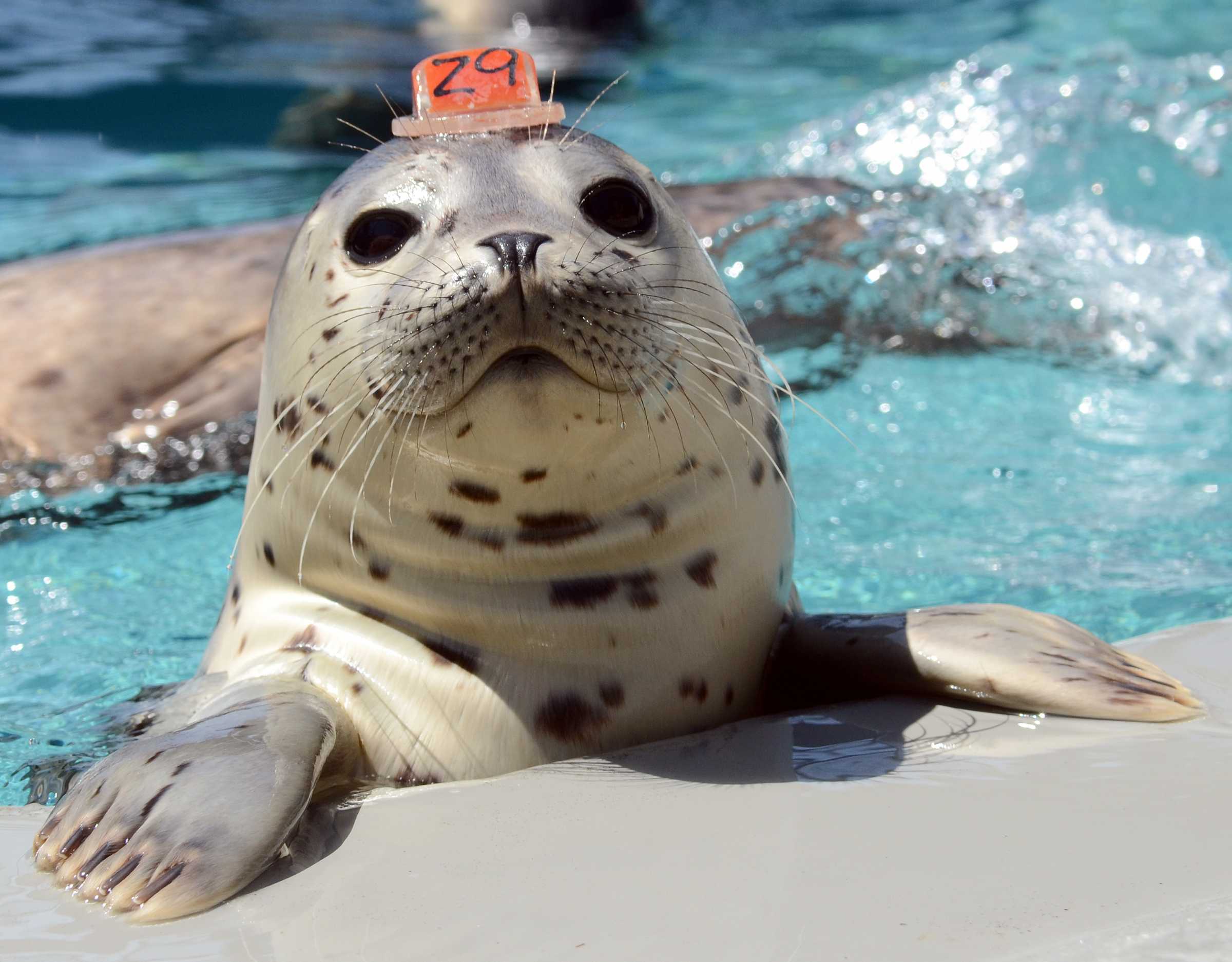
Seals are ocean mammals built for cold water, long dives, and social group living. Re-creating that environment on land demands a huge salt-water enclosure, constant temperature control, and endless stimulation—conditions that are almost impossible for a private individual to provide.
Legal and Regulatory Considerations
Most nations classify seals as wildlife that cannot be privately kept. Where limited exceptions exist, permits involve lengthy applications, facility inspections, and proof of specialist training—barriers that place ownership beyond the reach of a typical household.
Ethical Considerations

Animal Welfare Concerns
A seal’s physical and mental health depends on space to swim, a carefully balanced fish diet, and expert veterinary care. Meeting these standards in a backyard setting is extremely difficult, and shortfalls quickly lead to stress, illness, or worse.
Wild vs. Domesticated
Unlike dogs or cats, seals have not undergone generations of domestication. Removing them from the sea deprives them of natural social bonds and hunting challenges, often resulting in repetitive behaviors and chronic anxiety.
Practicalities of Keeping a Seal as a Pet
Costs Involved
Initial outlays include excavation and filtration for a large salt-water pool, ongoing energy bills to chill that water, daily supplies of top-quality fish, and access to an experienced marine veterinarian. Together, these expenses can quickly rival the cost of a small house.
Time and Commitment
Seals need hours of supervised swimming, training, and enrichment every single day. Few owners can sustain that level of attention year after year, and lapses in care can endanger both the animal and the caretaker.
Expert Opinions
Conservationists’ Perspective
Leading wildlife advocates caution that private ownership diverts seals from natural ecosystems and ties up resources better spent on habitat protection. They emphasize that these animals belong in the ocean, not in a customized pool.
Seal Conservation Organizations
Groups dedicated to marine mammals consistently discourage pet trade demand. They note that every seal kept in a home is one fewer contributing to wild population dynamics, and rescue centers already struggle to rehabilitate animals displaced by human interference.
Conclusion
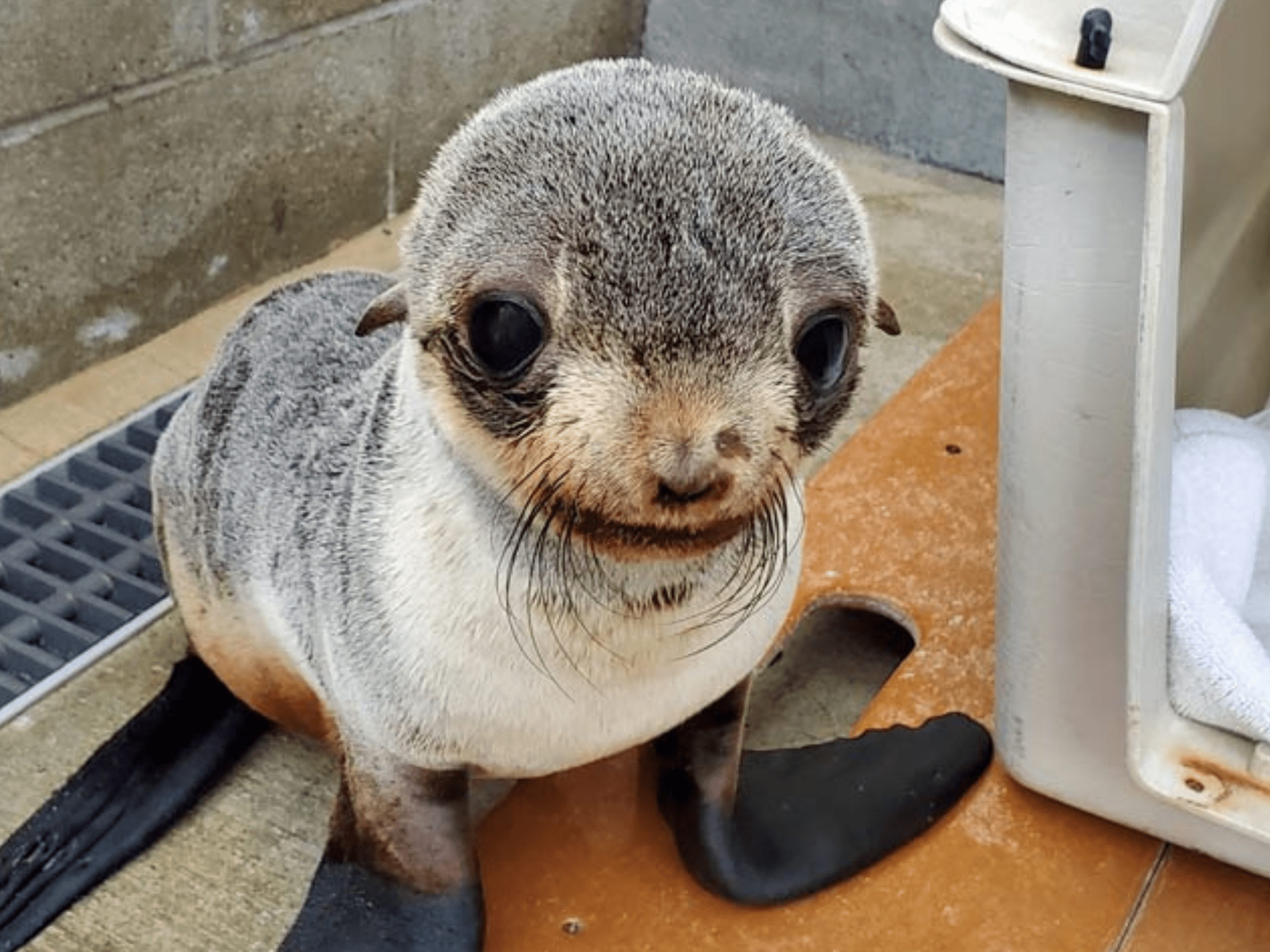
While the image of a playful seal pup on the sofa is charming, the facts reveal an impractical and ethically fraught scenario. Legal hurdles, steep costs, and the animal’s complex welfare needs make private ownership an unsuitable path. Respecting seals means supporting efforts that keep them safe and wild where they belong.
Recommendations and Future Research
To safeguard seals and similar marine mammals, society can:
– Tighten rules and enforcement against unauthorized possession.
– Channel funds toward reputable conservation projects that protect natural breeding grounds.
– Educate the public on why wild species flourish best in their native environments.
Future studies could examine:
– Innovative sanctuary designs that balance welfare with minimal human intrusion when rehabilitation is necessary.
– Long-term behavioral and health outcomes for seals that have lived in private facilities.
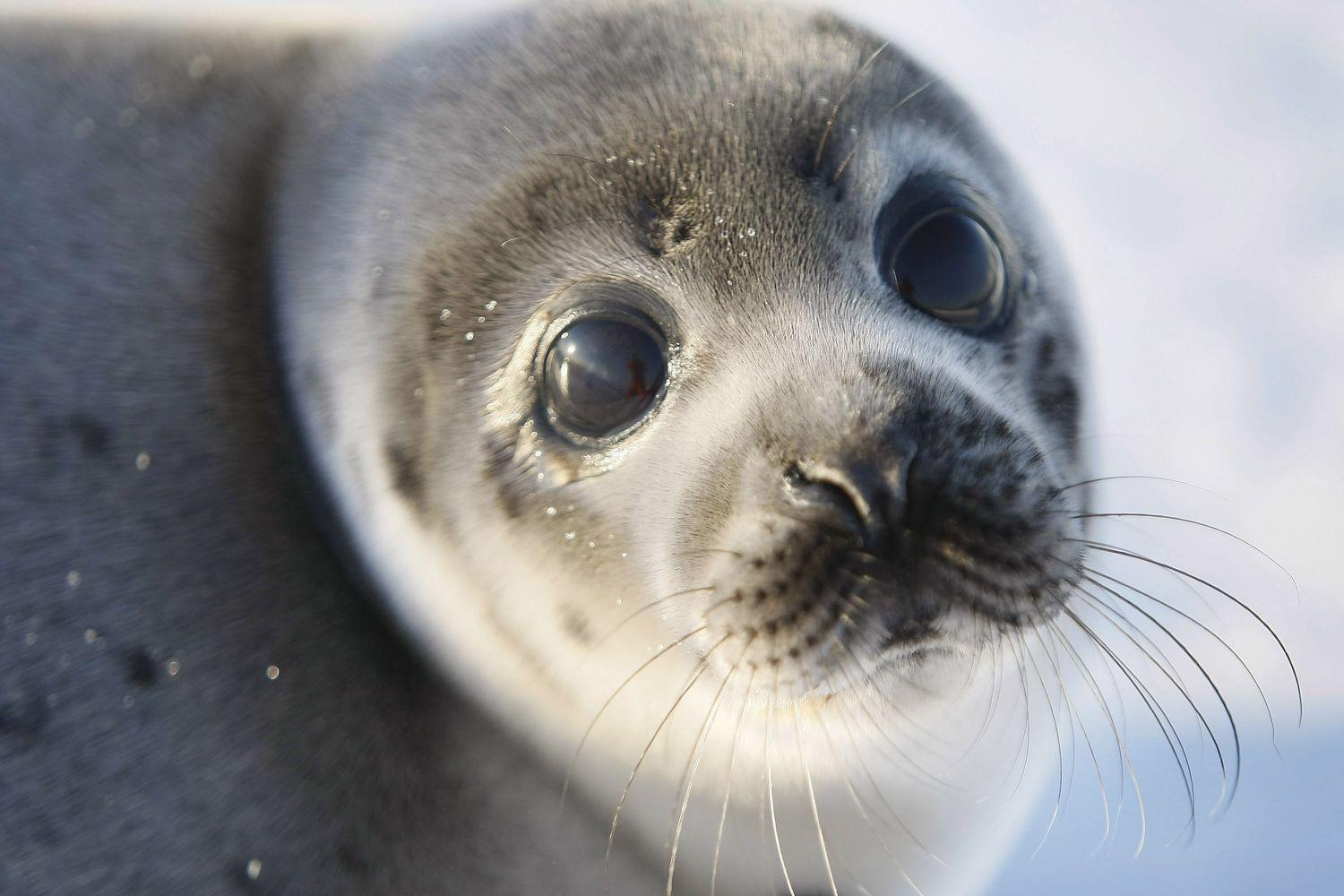
– Best practices for returning captive-born or rescued seals to the wild whenever feasible.
By focusing on these goals, we can help ensure seals remain a thriving, respected part of the world’s oceans rather than a novelty in someone’s backyard.


