
The World of Online Puppy Ads: A Balanced Overview
Introduction
Online puppy advertisements have surged in popularity, giving future guardians a convenient way to find a new companion. These listings appear on forums, social networks, and digital marketplaces. This overview weighs the advantages, drawbacks, and ethical questions surrounding such ads, drawing on views from breeders, adopters, and welfare groups.
The Expansion of the Online Puppy Listing Scene
Digital Platforms as Catalysts
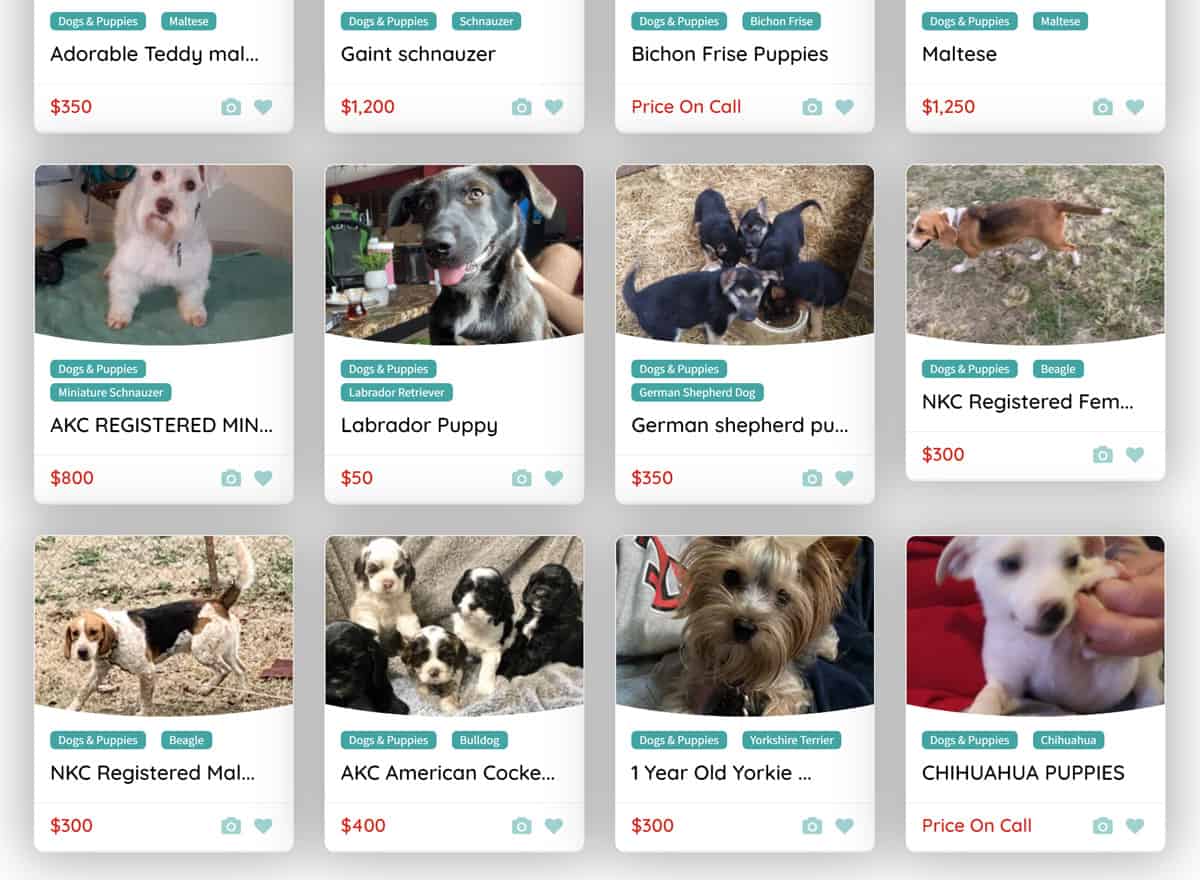
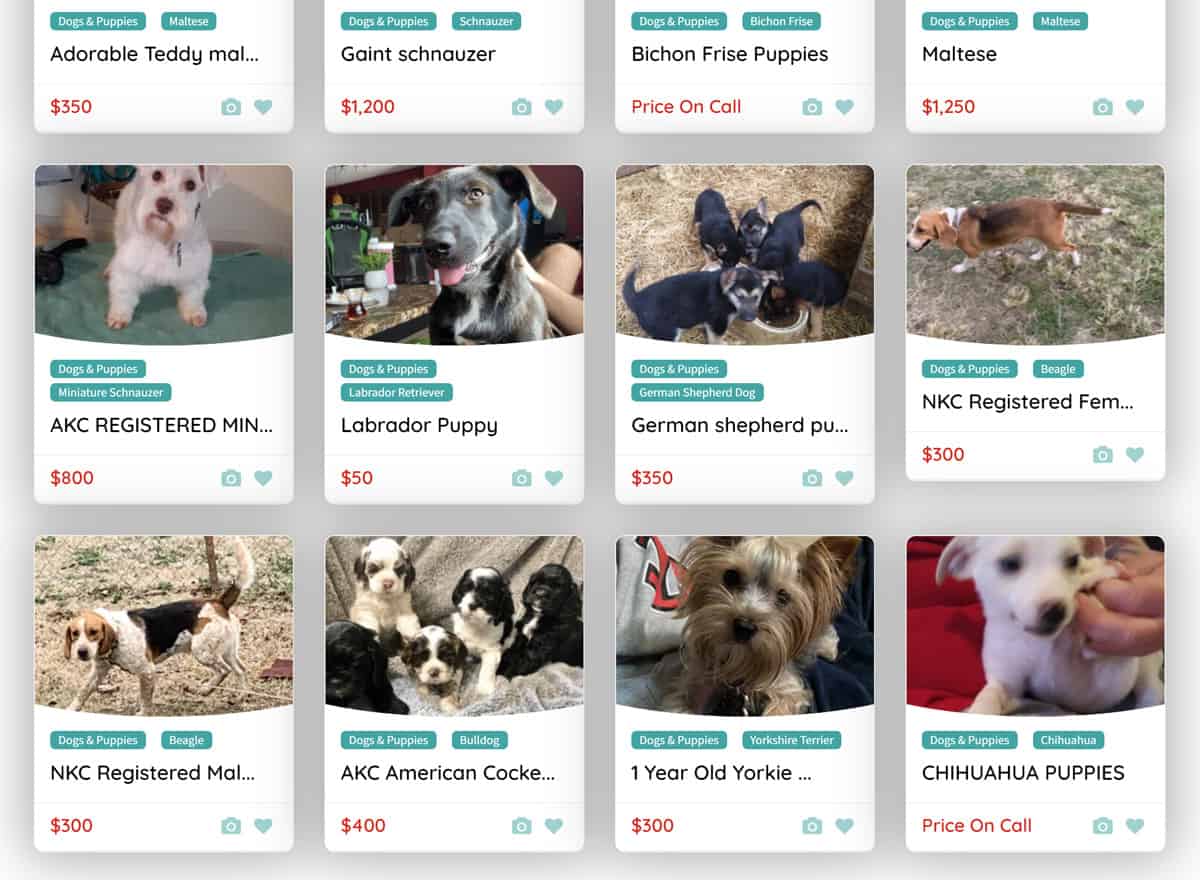
The internet has reshaped how pets change hands. General classified sites and niche pet pages now host thousands of puppy posts, letting sellers reach audiences well beyond their own city.

Easier Access to Information
Buyers can research breeds, compare care tips, and scan reviews at any hour. This open flow of information lowers entry barriers for first-time owners and encourages smarter choices.
Benefits of Online Puppy Listings
Budget-Friendly Options
Private sellers often set lower prices than brick-and-mortar pet shops, making canine companionship attainable for more households.
Direct Communication

Interested adopters can message breeders, request photos, ask about vaccinations, and sometimes visit the home environment before committing.
Boost to Small Breeders
Well-run micro-kennels gain visibility, keeping breeding traditions alive and money within the local economy.
Challenges of the Listing Ecosystem
Limited Oversight
Few platforms verify every post, so low-welfare breeders can slip through. Overcrowded facilities may supply under-socialised pups prone to illness or anxiety.

Unknown Health Histories
Without mandatory health certificates, buyers risk taking home dogs with hidden hereditary conditions or incomplete vaccinations.
Ethical Considerations
Promoting High Welfare Standards
Ethical breeders raise litters in clean, spacious settings, screen for genetic disorders, and never separate pups too early from their mothers.
Educated Buyers

Prospective guardians should study breed needs, lifetime costs, and warning signs of poor welfare before arranging a meeting.
Observations from the Field
Lessons from Large-Scale Facilities
Field reports indicate that puppies raised in crowded quarters often display fearful behaviour and require extra veterinary care later in life.
Professional Insight
A seasoned veterinarian reminds us that classified ads can link caring families with healthy pets, but only when sellers open their doors to questions and provide transparent medical records.
Conclusion
Online puppy listings simplify the search for a four-legged friend, yet they also spotlight the need for vigilance. When buyers favour transparent, welfare-focused breeders—and when platforms encourage clear standards—the digital marketplace can serve dogs and humans alike.
Recommendations and Future Research
Recommendations
1. Encourage platforms to display welfare credentials beside each listing.
2. Offer free starter guides that outline responsible ownership and red flags.
3. Promote adoption from reputable shelters as a parallel option.
4. Highlight small breeders who meet recognised care protocols.
Future Research
1. Track the health and behaviour of dogs acquired online versus other sources.
2. Measure whether owner-education campaigns reduce demand from substandard breeders.
3. Explore tech tools—such as verified profiles or blockchain health logs—that could boost transparency in pet classifieds.