


Title: How Cat Photos Shape Online Culture
Introduction:
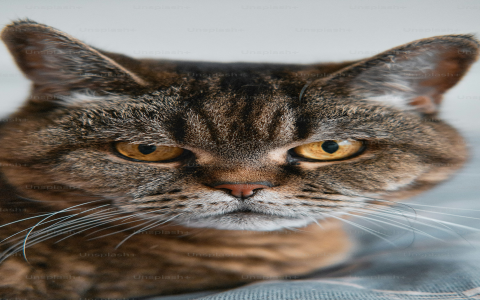
Few things travel faster on the internet than a well-timed picture of a cat. From sleepy kittens to dramatic jumps, these snapshots have become a shared language of amusement and comfort. This article looks at why feline photos matter, how they mold online habits, and what ripple effects they can create beyond the screen.
Why Cat Photos Matter
Cat pictures do more than fill feeds; they meet basic social needs:
1. Entertainment: A playful pose or startled leap offers an instant break from routine, encouraging likes, reposts, and good-natured comments.
2. Emotional Boost: Viewers often feel warmth or empathy when they see a tiny whiskered face, providing a quick mood lift during a busy day.
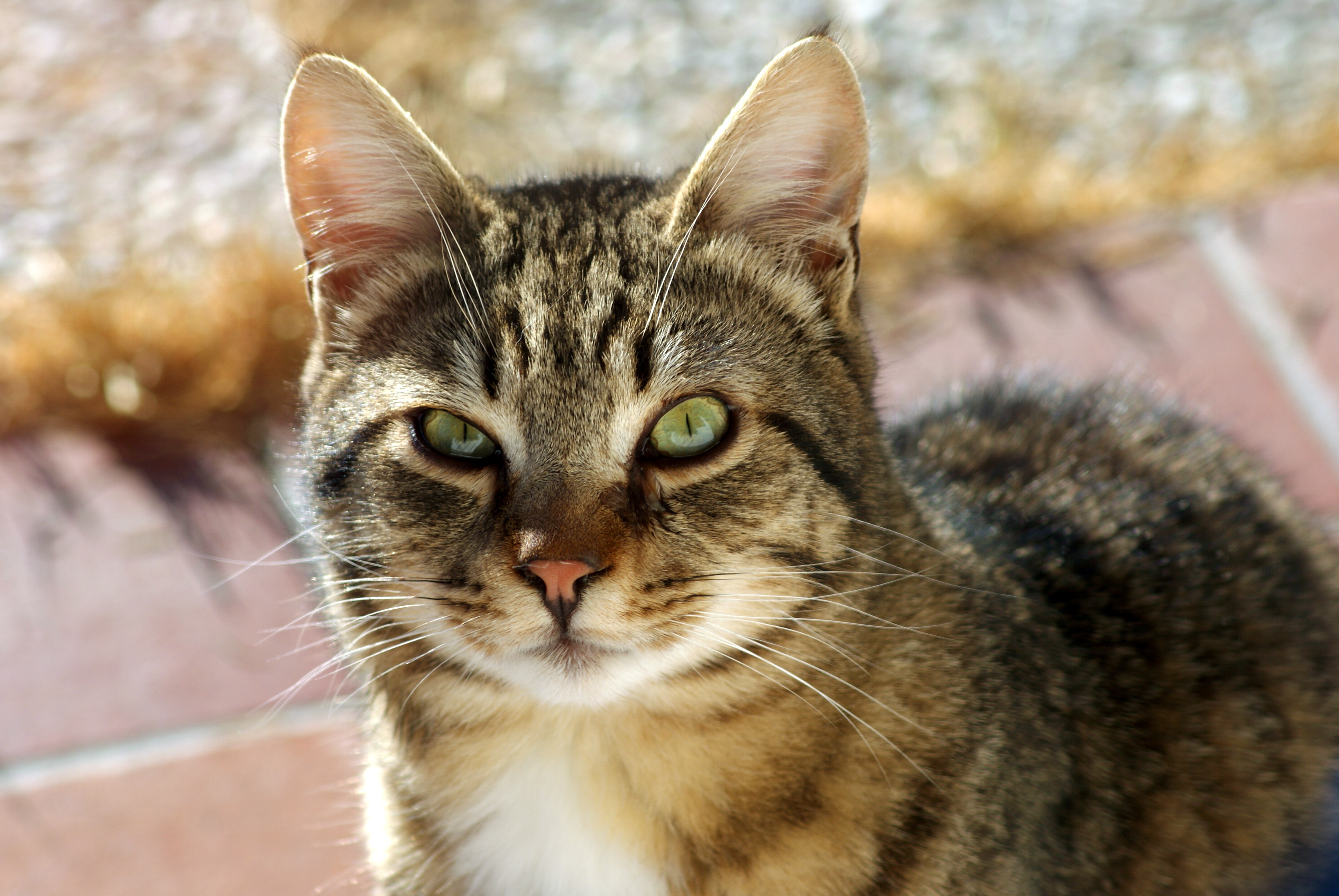
3. Common Ground: Sharing a cat image can spark chats among strangers, turning isolated scrollers into momentary friends united by affection for animals.
Cat Photos and Digital Culture
Their influence shows up in several corners of online life:
1. Social Platforms: Timelines on major networks regularly feature cats, driving engagement and keeping algorithms busy.
2. Meme Culture: A single expressive feline can become a template for jokes about work, school, or world events, giving people a light way to comment on daily life.
3. Niche Communities: Forums and chat groups dedicated to pet lovers thrive on daily photo swaps, tips, and stories, strengthening micro-communities within the larger web.
Possible Downsides for Society
Even harmless fun can carry unintended effects:
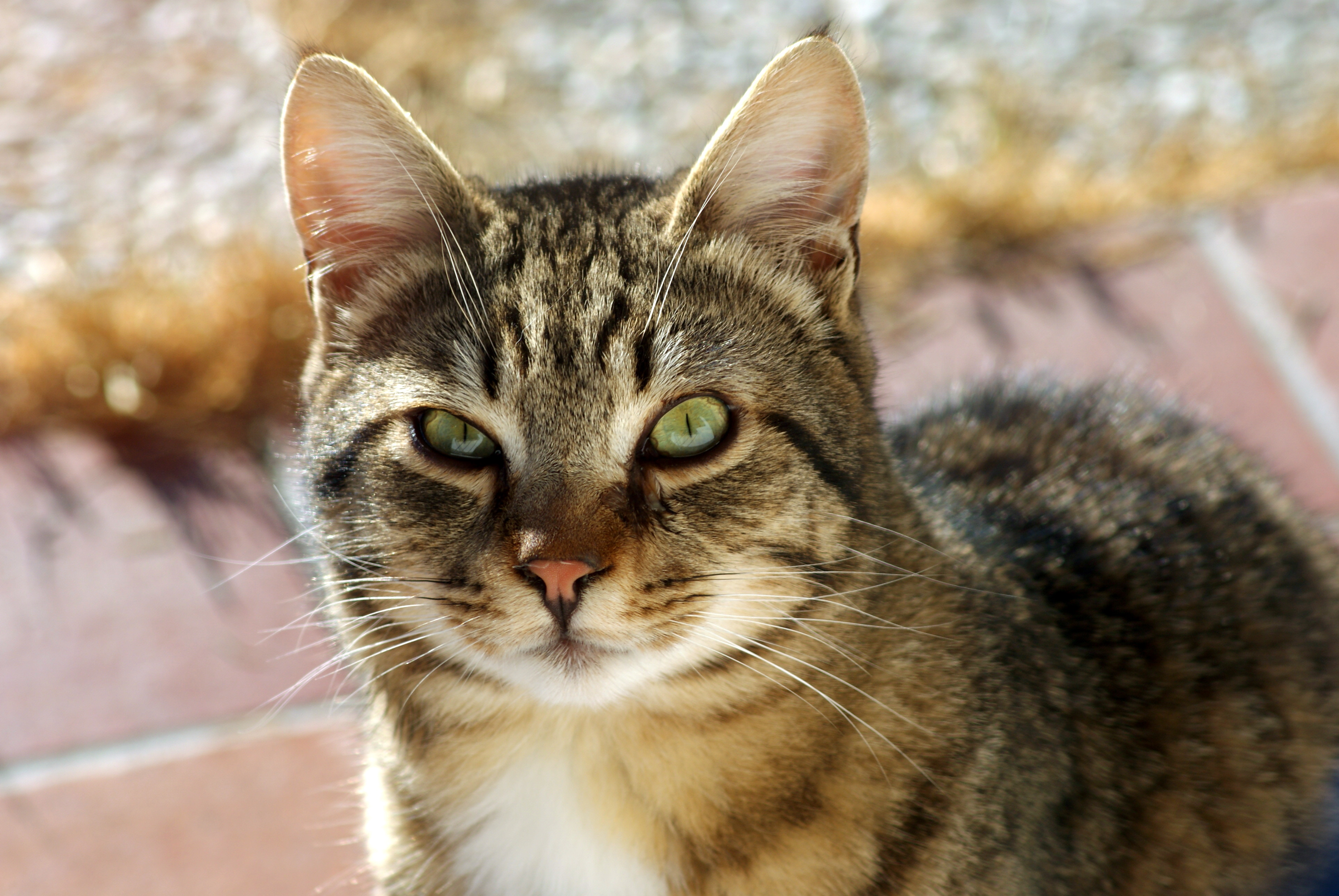
1. Misinformation: Edited images or false captions can travel alongside real ones, blurring the line between fact and joke.
2. Pet Welfare Trends: Sudden spikes in demand for certain breeds seen in viral photos sometimes encourage impulse adoptions, stressing animal shelters.
3. Access Gaps: Heavy reliance on visual memes may leave out users with limited data or accessibility needs, subtly widening participation barriers.
Research and Perspectives
Scholars from various institutions have started mapping these phenomena:
1. One university project linked viewing cute animal images to short-term increases in positive mood and cooperative behavior among participants.
2. A different academic review described cat imagery as a “cultural glue” that helps strangers establish trust in comment threads.
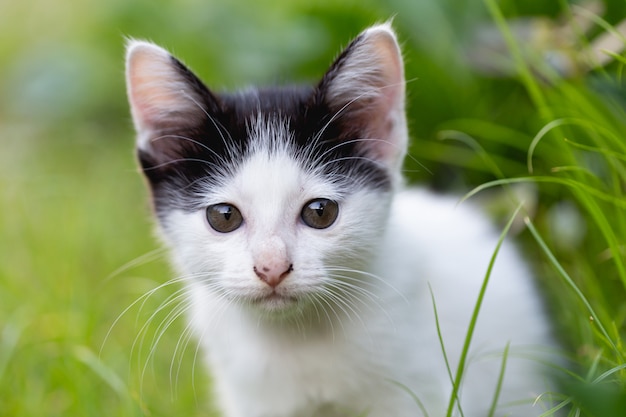
3. A media-studies journal article warned that viral pet content can also distract from deeper discussions, urging educators to balance fun with critical reading skills.
Conclusion
Feline photos entertain, connect, and humanize digital spaces, yet they can also distract or mislead. Recognizing both sides allows users, platforms, and educators to encourage mindful sharing and protect animal welfare while still enjoying the simple joy of a cat in mid-pounce.
Recommendations:
1. Teach viewers to check sources before reposting unusual claims attached to cute pictures.
2. Support shelters and responsible adoption campaigns to prevent spur-of-the-moment purchases.
3. Design online spaces that remain welcoming to people with slower connections or visual impairments.
Future Research:
Long-term studies could track how daily exposure to pet memes influences attention spans, civic engagement, or cross-cultural empathy. Comparative work in different regions might also reveal how local traditions shape the creation and spread of animal-themed humor.


