The Impact of Pet Store Adoption on Animal Welfare and Public Perception
Introduction
Bringing a companion animal home from a pet store continues to spark discussion among prospective owners, veterinarians, and welfare advocates. As interest in pet keeping grows, so does the number of puppies, kittens, and small mammals displayed in retail settings. This overview examines how store-based adoptions influence animal well-being, shape consumer attitudes, and interact with the wider adoption ecosystem.
The Ethical Concerns of Pet Store Adoption
Animal Welfare Concerns
Retailers frequently obtain young animals from high-volume breeding operations. Crowded housing, limited socialization, and minimal veterinary oversight can produce fearful behavior and inherited disorders that emerge months after purchase. Animals raised in such surroundings often require extra training, medical attention, and patience from unsuspecting families.
Independent investigations have repeatedly linked commercially bred puppies to elevated rates of respiratory illness, parasites, and anxiety-related behaviors when compared with pets sourced from screened private breeders or nonprofit shelters, underscoring the ethical questions that accompany store purchases.
Public Perception and Misinformation
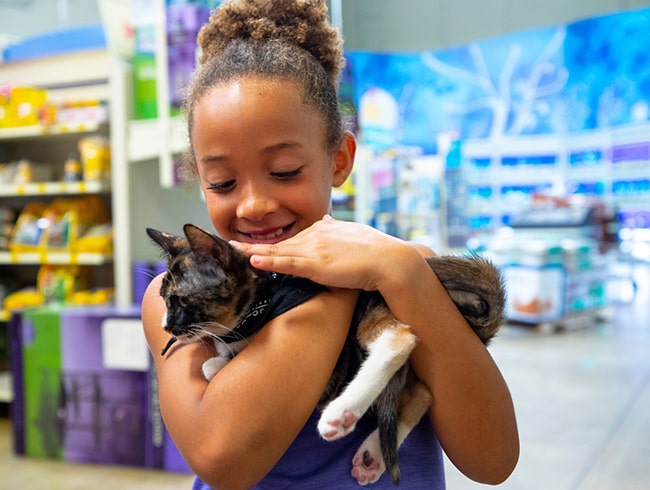
Many shoppers assume that pets in glass enclosures arrive from local rescue networks. This belief, reinforced by cheerful branding, can unintentionally channel demand away from shelters that are already caring for homeless animals. Clear, accessible information about an animal’s origin remains the simplest tool for correcting such misunderstandings.
The Benefits of Pet Store Adoption
Access to a Variety of Pets
Stores typically showcase numerous breeds, sizes, and coat colors in one location, allowing visitors to compare temperament and energy levels on the spot. For households with specific needs—such as a hypoallergenic coat or a calm demeanor—this convenience can shorten the search process.
Support for Local Businesses
When a store adheres to transparent sourcing standards, the adoption fee circulates within the neighborhood economy, sustaining jobs in animal care, grooming, and retail services. Responsible retailers also invest in staff training, guiding new owners toward proper nutrition, enrichment, and medical routines.
The Role of Shelters and Rescues
Shelters and Rescues as Alternatives
Nonprofit shelters and foster networks provide refuge for abandoned, stray, or surrendered animals. Adoption counselors match families with pets whose personalities suit the household, often including spay or neuter surgery, microchipping, and initial vaccinations in the fee. Choosing these outlets directly reduces the number of healthy animals awaiting homes.
Collaboration Between Pet Stores and Shelters
An emerging compromise involves stores dedicating floor space to cats, rabbits, or small mammals supplied by nearby shelters. These partnerships expand the visibility of adoptable pets while ensuring that the animals’ medical and behavioral histories are documented and disclosed.
Conclusion
Storefront adoptions offer convenience and variety, yet they can also perpetuate welfare problems when supply chains lack oversight. Shelters and rescues remain essential safety nets, and cooperative models show promise for aligning retail exposure with humane standards. Prospective owners who research an animal’s background, ask questions, and insist on transparent records help steer the market toward better practices.
Recommendations and Future Research
To strengthen the adoption system, stakeholders can:
1. Promote public education campaigns that highlight the advantages of adopting from reputable shelters and screened rescue groups.
2. Encourage retailers to feature shelter pets alongside clear information about each animal’s health and history.
3. Advocate for consistent standards that require traceable records, veterinary care, and spacious housing for all breeding facilities.
Long-term studies comparing the health, behavior, and retention of pets obtained through different sources will further inform best practices, guiding both consumers and policymakers toward choices that prioritize animal welfare.