The Rise of Paws Cat City: A Glimpse into the Future of Feline-Friendly Urban Planning
Introduction
Cities around the world are re-imagining how people and pets share space, and a new idea—building an entire district with cats at its heart—is gaining attention. Dubbed “Paws Cat City,” the concept places feline needs on equal footing with human ones, promising safer streets, happier pets, and stronger communities. This article looks at what such a city might include, why it matters, and how it could reshape everyday life for both cats and their guardians.
The Concept of Paws Cat City
Rather than treating cats as incidental residents, Paws Cat City starts from the premise that they are active members of the urban ecosystem. Planners envision a network of walkways, gardens, and buildings engineered to satisfy typical feline behaviors—climbing, hiding, stalking, and sun-bathing—while still meeting human standards for comfort, hygiene, and safety. The result is a shared habitat where two species coexist with fewer conflicts and more mutual enjoyment.
Design Principles of Paws Cat City
1. Safe and Secure Spaces
Traffic, dogs, and open drains are everyday hazards for free-roaming cats. To reduce risk, the district features enclosed “catios” along sidewalks, rooftop fences, and hedge-lined green corridors that guide cats toward parks without exposing them to roads. Strategically placed double-gated entries prevent escapes, while shelter kiosks offer refuge during bad weather.
2. Natural Cat Behavior Integration
Scratching posts double as public art, modular climbing towers replace plain streetlights, and south-facing ledges are widened into feline sun-decks. These interventions satisfy instinctual drives, encouraging exercise and lowering stress-related illnesses such as over-grooming or urinary problems.
3. Community Involvement
Local residents manage feeding stations, volunteer in pop-up adoption lounges, and attend “cat etiquette” workshops that teach everything from reading body language to trimming nails. By giving citizens a role, the city nurtures a culture of shared stewardship rather than top-down control.
Benefits of Paws Cat City
Early pilots suggest three broad pay-offs:
1. Improved Cat Health and Well-being
Access to fresh air, varied terrain, and mental stimulation lowers obesity rates and curbs boredom-driven behaviors like furniture scratching or excessive meowing. Veterinarians report fewer stress-linked medical visits after cats move into the district.
2. Enhanced Human-Cat Relationships
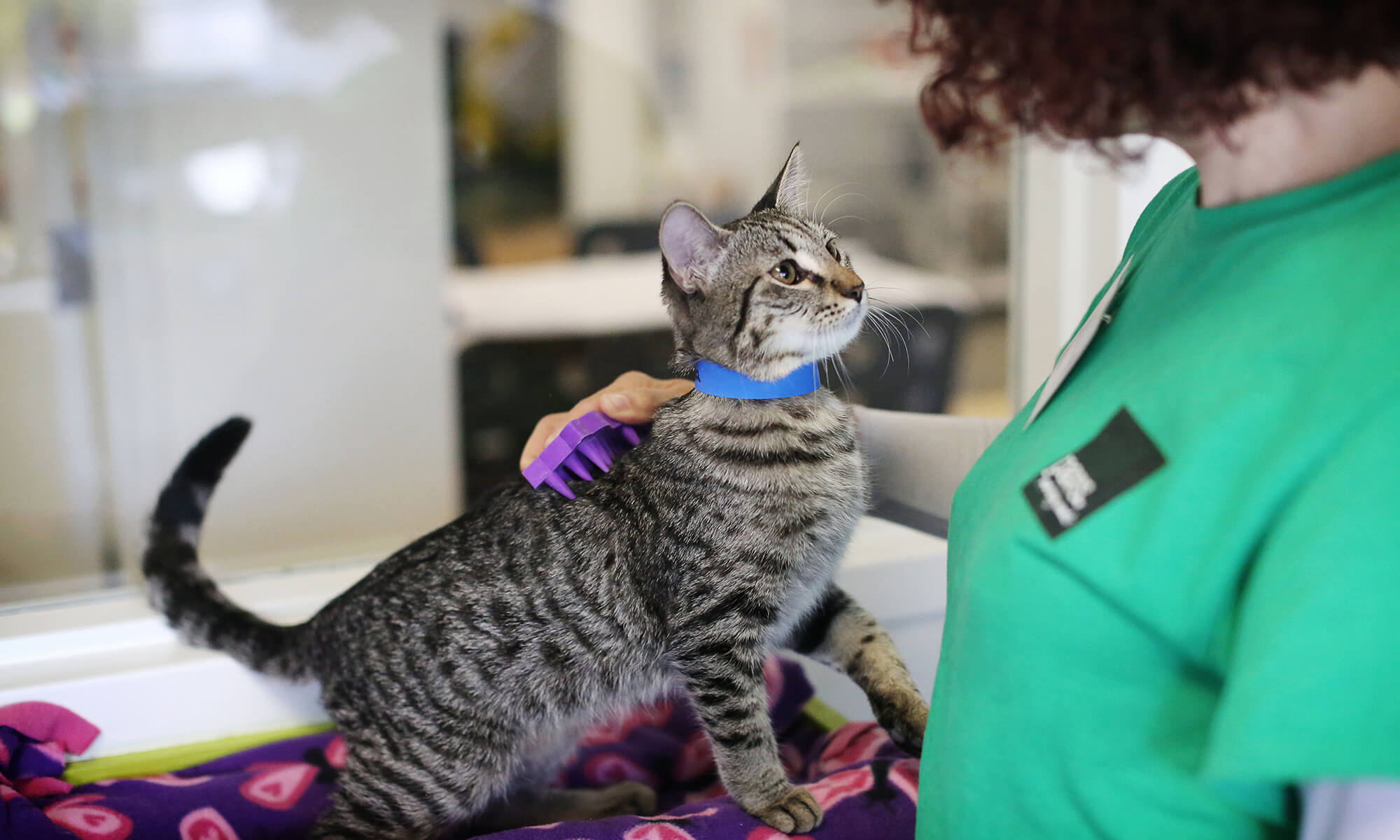
Shared play zones and café patios create daily opportunities for positive interaction, reinforcing trust. Owners also connect with neighbors over common experiences, widening social networks.
3. Environmental Benefits
By supporting stable, sterilized cat colonies, the city keeps rodent numbers in check without resorting to chemical poisons, contributing to a healthier green corridor for birds, pollinators, and people alike.
Challenges and Considerations
No urban experiment is without hurdles:
1. Implementation Costs
Specialized fencing, drainage, and maintenance raise upfront spending. Partnerships with private sponsors, pet-product brands, and local businesses can offset budgets through co-branding and shared facilities.
2. Public Perception
Some worry about noise, smell, or allergy issues. Transparent waste-management protocols, clear signage, and quiet-hour guidelines help balance competing needs, while success stories gradually shift attitudes.

3. Cat Population Management
Free-roaming success hinges on keeping numbers stable. Mandatory registration, micro-chipping, and low-cost sterilization clinics prevent surges that could overwhelm resources or wildlife.
Conclusion
Paws Cat City offers a bold template for inclusive design, proving that urban spaces can cater to more than one species without sacrificing aesthetics, hygiene, or economic vitality. If scaled thoughtfully, the model could redefine what it means to live, work, and play alongside animals in the twenty-first-century metropolis.
Recommendations and Future Research
To move from prototype to mainstream, stakeholders should:
– Commission independent studies on cost recovery, public-health outcomes, and ecological impacts.

– Launch outreach campaigns that highlight responsible guardianship and showcase measurable community benefits.
– Embed cat-friendly guidelines—such as permeable fencing, shaded rest spots, and buffer greenery—into routine zoning codes so new developments automatically accommodate feline residents.
Future research could explore:
– Long-term data on cat longevity, behavioral diversity, and owner satisfaction.
– Adaptation strategies for climates ranging from humid tropics to cold continental zones.
– Social-return-on-investment metrics that capture reduced pest-control expenses and increased retail foot traffic linked to pet-friendly venues.