


The Importance of Reuniting Lost Pets: A Comprehensive Overview
Introduction
When a beloved animal disappears, the ripple effects touch families, neighborhoods, and entire cities. Each year, countless companions wander too far, prompting urgent searches and sleepless nights. This article explores why pets go missing, how their absence affects everyone involved, and what community-driven initiatives can do to bring them home safely.
The Scope of the Problem
How Often Pets Go Missing
Experts estimate that millions of dogs, cats, and other small animals stray from home annually across the country. Common causes include open gates, loud noises that trigger panic, or simple curiosity. Regardless of the reason, the scale of disappearances highlights the need for proactive prevention and rapid response.
Emotional Toll on Families
A missing pet can feel like losing a family member. Owners often cycle through worry, guilt, and hope while posting flyers, knocking on doors, and checking shelters. The stress can disrupt daily routines and even affect physical health, illustrating how deeply animals are woven into human well-being.
Wider Community Effects
Beyond individual households, roaming animals can create safety concerns on roads, increase pressure on local shelters, and raise public-health questions. When neighborhoods band together to solve these cases, they also strengthen social ties and demonstrate shared responsibility for all living creatures.
The Role of Dedicated Search Networks
What Volunteer Networks Do
Grass-roots groups have emerged to fill the gap between frantic owners and limited municipal resources. By combining street-level outreach, online tools, and partnerships with veterinarians, these networks create a safety net that multiplies the eyes and ears looking for each lost animal.
Raising Awareness Locally
Teams visit parks, pet stores, and community events to remind guardians about identification tags, microchips, and secure fencing. Simple conversations at these gatherings often prevent future disappearances and encourage quicker reporting when a pet does slip away.
Digital Tools That Help
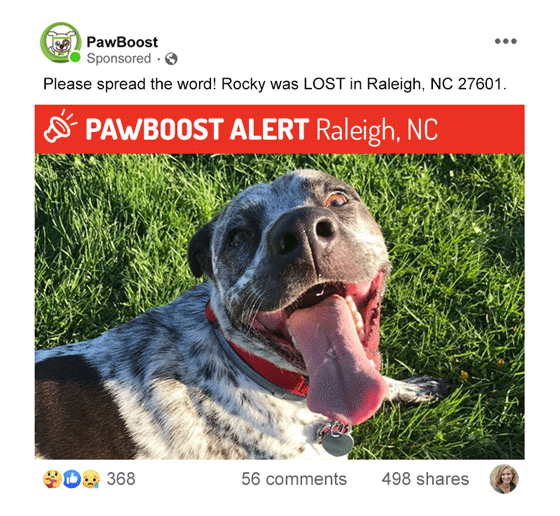
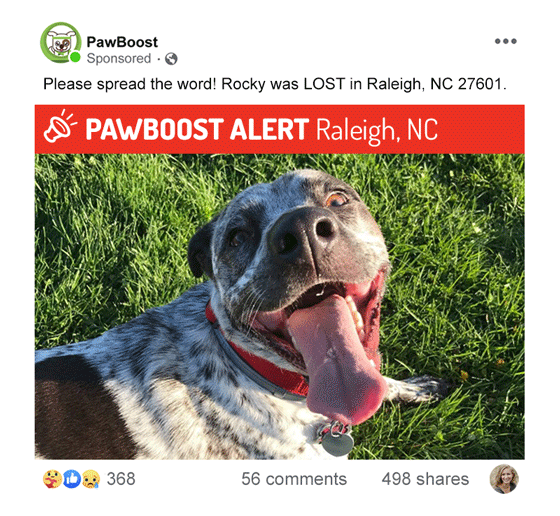
Social-media alerts, interactive maps, and free mobile apps allow sightings to be shared instantly. A single post can reach thousands of nearby residents within minutes, turning an isolated search into a coordinated effort that spans entire postal codes.
Working with Local Services
Volunteers routinely check in with shelters, clinics, and animal-control units to cross-reference found animals with reported losses. This steady communication reduces duplication of effort and ensures that even brief shelter stays lead to happy reunions.
Proven Results
Everyday Victories
Stories circulate daily of cats located under porches after a neighbor recognized a photo, or dogs trailing hikers who saw an online alert. Each reunion reinforces trust in the process and motivates more residents to participate the next time a flyer appears.
Measurable Progress
Over time, communities that invest in these programs report higher return-to-owner rates and lower shelter intake numbers. The trend suggests that education plus technology creates a sustainable cycle of prevention and recovery.
Ongoing Hurdles and Next Steps
Remaining Challenges
Despite best efforts, some animals remain elusive due to vast rural terrain, limited evening staffing, or outdated contact information on tags. Economic hardship can also delay crucial steps like microchip registration or timely veterinary care.
Looking Ahead
Future improvements hinge on three priorities:

– Expanding low-cost microchip clinics and tag-engraving events in underserved areas.
– Training more volunteers in humane trapping and lost-animal behavior.
– Encouraging municipalities to integrate volunteer databases with official shelter software for real-time updates.
Conclusion
The disappearance of a pet is never just a private crisis; it is a community call to action. By combining neighborly goodwill, modern technology, and sound prevention practices, towns and cities can transform anxious searches into celebrations on the doorstep. Each successful reunion proves that when people care—and collaborate—fewer whiskered or tail-wagging family members stay lost for long.


