Title: A Friendly Guide to Adopting an American Eskimo Dog
Introduction:
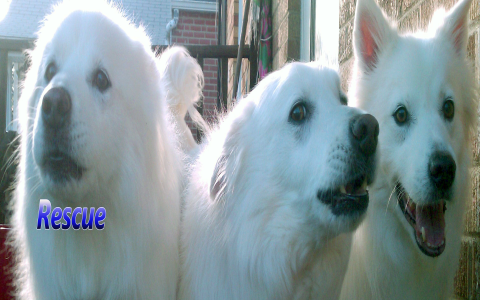
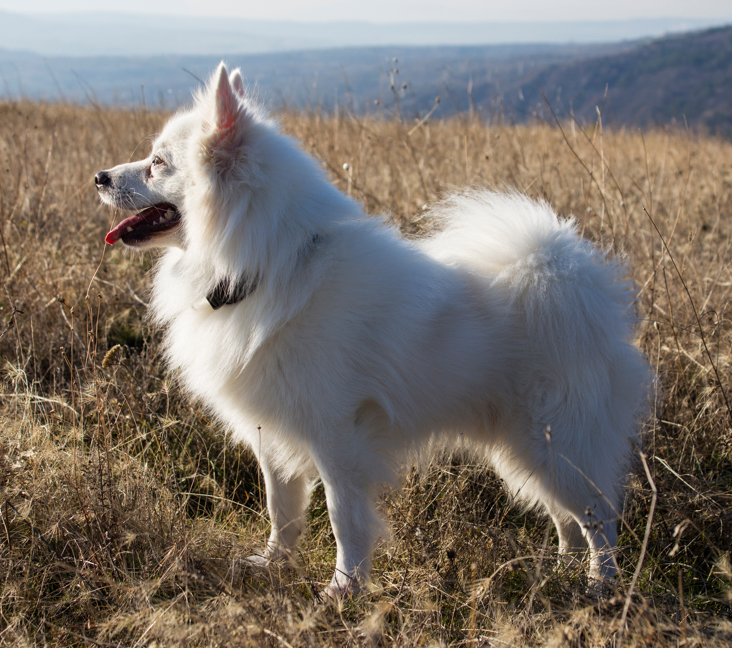
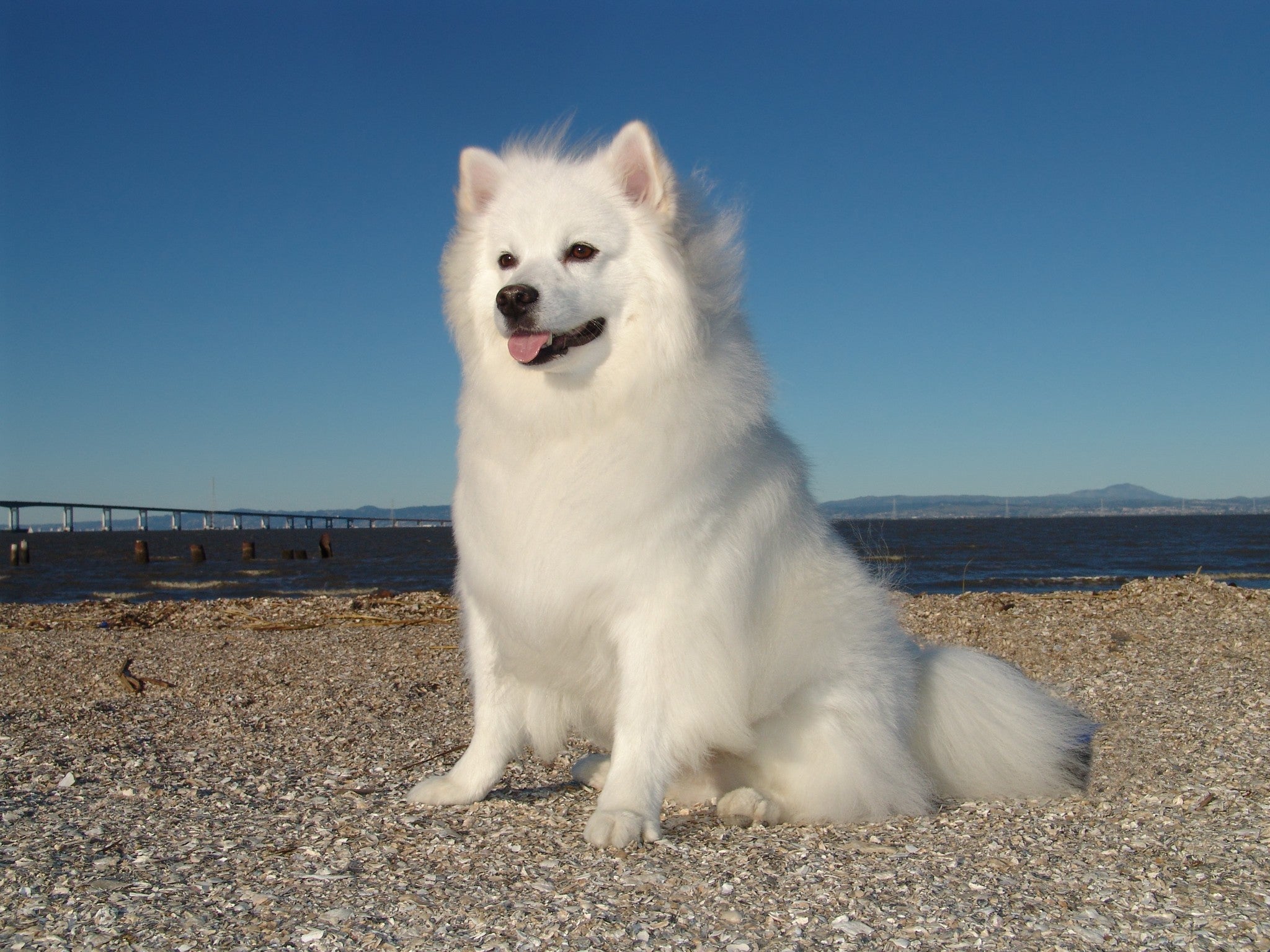
The American Eskimo dog—often called the Eskie—turns heads with its bright white coat, quick smile, and endless curiosity. Families value the breed for its trainability and cheerful outlook, while individuals love its portable size and watchdog instincts. If you would like to welcome an Eskie into your life, this article walks you through the rewards, the search, and the everyday commitments that keep these little snow-clouds healthy and happy.
Understanding the American Eskimo Dog Breed
Despite the wintry name, the American Eskimo dog was developed in the United States as an all-purpose companion. Three size varieties share the same fluffy double coat, black-button eyes, and love for learning tricks. Keep these basics in mind:
– Size: Eskies range from toy to miniature to standard, so you can choose the weight class that best fits your home.
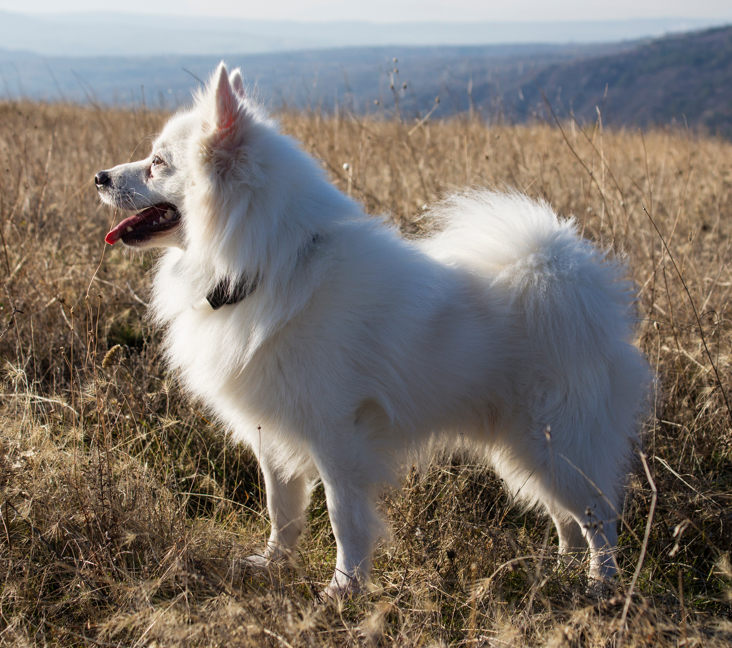
– Coat: A thick undercoat topped by longer guard hairs sheds year-round and “blows” seasonally; routine brushing keeps it manageable.
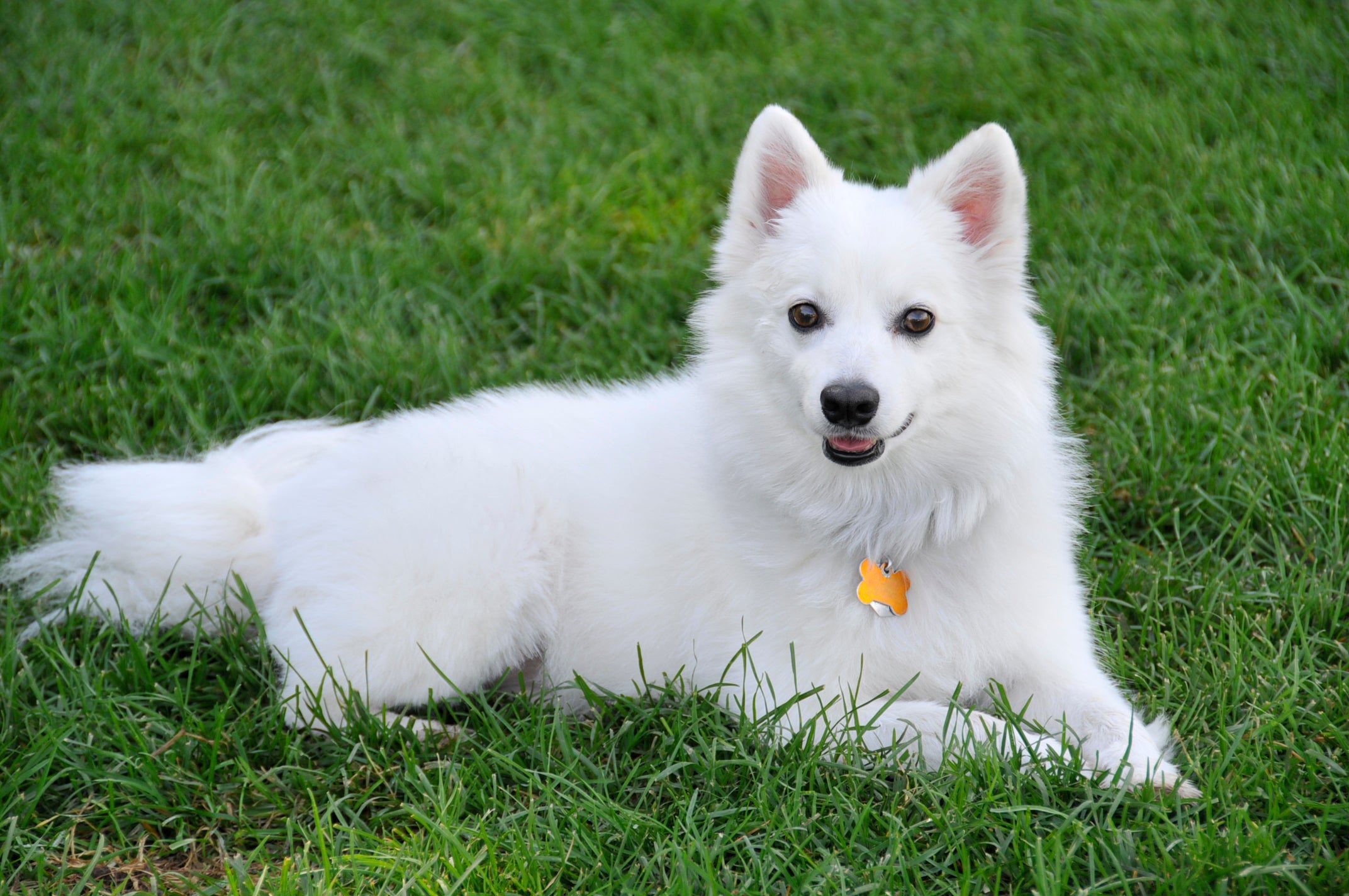
– Temperament: Most are social butterflies who thrive on inclusion in family activities and pick up new cues quickly.
– Exercise Needs: A couple of brisk walks plus mental games usually satisfy their energy tank.
– Health: Overall the breed is sturdy, but prospective owners should discuss hip, eye, and allergy screenings with a vet.
Benefits of Adopting an American Eskimo Dog
Choosing adoption gives a homeless dog a fresh start and offers you several advantages:
– Save a Life: Shelters constantly need space; opening your door to one dog frees resources for another.
– Companionship: Eskies bond deeply and often shadow their favorite people from room to room.
– Intelligence: Puzzle toys, obedience drills, and even scent-work keep their minds engaged and your furniture intact.
– Exercise Buddy: Daily strolls benefit both ends of the leash, encouraging you to stay active.
Finding an American Eskimo Adoption Near You
Locating an Eskie in need is easier than ever thanks to nationwide networks. Try these avenues:
– Local Shelters: Call or visit nearby humane societies; staff can add you to a waiting list if no Eskie is currently available.
– Online Resources: Filter by breed on reputable adoption websites to see photos and bios of dogs in foster care.
– Breed Rescues: Volunteer groups focus on Eskies and often provide foster-to-adopt options.
– Word of Mouth: Veterinarians, groomers, and training clubs sometimes know of dogs needing new homes before they reach public listings.
The Adoption Process
Each organization sets its own steps, but most follow a similar pattern:
– Application: Expect questions about work schedule, yard safety, and previous pet experience.
– Interview: A counselor may chat with all household members to match energy levels and expectations.
– Home Visit: Some groups do a quick virtual or in-person tour to confirm fencing, hazards, and comfort zones.
– Adoption Fee: The donation commonly covers sterilization, core vaccines, and microchip registration.
Responsibilities of Owning an American Eskimo Dog
Brushing, training, and preventive care keep an Eskie glowing:
– Grooming: Two to three thorough brushings a week prevent mats and reduce tumbleweeds on the carpet.
– Exercise: Leash walks, fetch in a secure area, or agility classes burn energy and tighten your bond.
– Training: Short, upbeat sessions work best; early socialization helps curb wary barking at strangers.
– Veterinary Care: Annual exams, dental cleanings, and weight checks catch small issues before they grow.
Conclusion:
An American Eskimo dog can fill your days with laughter, loyalty, and a little white fluff on every sweater sleeve. Research local adoption options, prepare your schedule for grooming and activity, and welcome home a companion who will repay your kindness with endless enthusiasm. With patience and consistent care, your Eskie will shine as the brightest spot in the household—no matter the season.