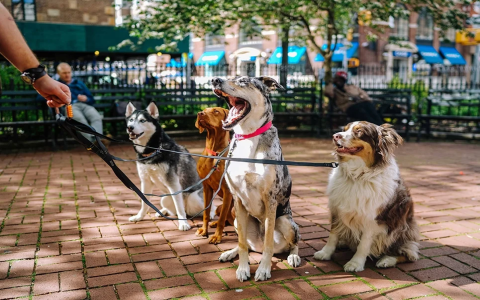
The Impact of Heart-Warming Shelter Photography on Animal Welfare
Introduction
In today’s digital era, compelling images have become a key tool for advancing animal welfare. A growing number of rescue groups now share vibrant portraits of dogs and cats in their care, turning online viewers into adopters, volunteers, and donors. This article explores how thoughtfully crafted photographs influence public perception, speed up adoptions, and nurture a culture of kindness toward homeless pets.
The Role of Photos in Promoting Adoption
Eye-catching pictures are often the first interaction a future guardian has with a shelter animal. A single bright, expressive portrait can convey personality, energy, and affection in seconds, prompting someone to click “learn more” or fill out an application. Research consistently shows that posts featuring high-quality images receive far more engagement than text-only appeals, translating directly into faster placement rates.
Shelters that replaced standard mugshots with natural-light, personality-driven photos routinely report noticeable jumps in adoptions within weeks. When people can picture a dog curled up on their couch or a cat sunbathing by the window, the animal feels less like a statistic and more like a future family member.

Fostering Empathy Through Visual Storytelling
Great photography also dismantles harmful stereotypes. Black dogs, senior pets, and special-needs animals traditionally stay longer in facilities, partly because they are harder to capture well on camera. Skillful images highlight gentle eyes, goofy grins, and resilient spirits, encouraging adopters to look beyond age or color.
By focusing on individuality, each portrait invites the viewer to imagine the animal’s past and hoped-for future. This narrative arc—vulnerability, resilience, hope—sparks empathy, making the public more likely to adopt, foster, or donate.
The Power of Social Media
Platforms built for sharing give every photo the potential to travel around the globe. A single post that resonates can be reposted by celebrities, pet pages, and local news outlets overnight, flooding shelters with applications. Hashtags such as #AdoptDontShop or #ShelterPetDay aggregate these images, creating ever-expanding galleries of adoptable animals.
Because social algorithms favor content that triggers strong positive reactions, cheerful, well-composed shelter photos often outperform graphic or gloomy imagery. The result is a virtuous cycle: higher visibility leads to quicker adoptions, which frees up kennel space and resources for the next animal in need.
The Role of Professional Photography
While smartphone snapshots can work in a pinch, professional techniques—soft outdoor lighting, toys that elicit playful expressions, and careful post-processing—deliver consistent results. Volunteers trained in portrait photography know how to kneel to the animal’s eye level, choose quiet areas that reduce stress, and click the shutter at the exact moment ears perk or tails wag.
Many organizations now host weekly “photo days,” pairing photographers with handlers who keep dogs comfortable and cats curious. The investment pays off: polished galleries not only boost adoption interest but also strengthen marketing materials, grant applications, and community event invitations.
Conclusion
Striking, heartfelt imagery has become one of the most effective tools for moving animals from shelter kennels to living-room couches. By promoting adoption, cultivating empathy, and harnessing the viral nature of social media, well-crafted photographs save lives and elevate the entire animal-welfare movement. As more groups recognize this impact, prioritizing quality visuals will remain essential to building a compassionate society for pets and people alike.
Recommendations and Future Research
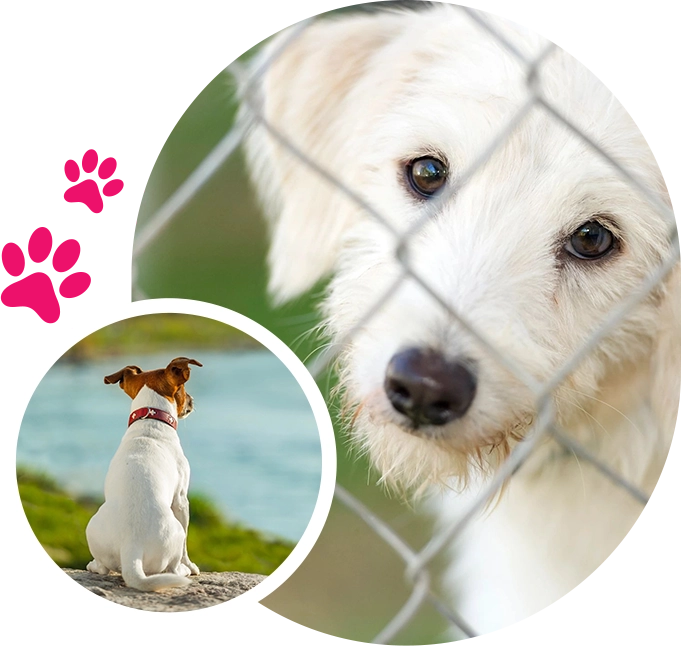
To maximize the benefits of shelter photography, organizations can:
1. Partner with local photographers willing to donate sessions or train staff in basic portrait techniques.
2. Plan a content calendar that pairs each animal’s photo with a short, engaging story and relevant hashtags.
3. Track metrics—views, shares, applications—to identify which styles resonate most with their audience.
Future studies could explore:
1. How repeated exposure to positive shelter imagery influences long-term attitudes toward rescue pets.

2. Whether video or interactive formats significantly outperform still photos in driving adoptions.
3. The potential of emerging technologies such as 360-degree images or virtual meet-and-greet tools to reduce return rates and improve matchmaking.
Continued experimentation and data collection will help shelters refine visual strategies, ensuring every click, swipe, and share translates into a safe, loving home for animals in need.