



The Impact of a Regional Aussie Rescue on the Australian Shepherd Community
Introduction
The Australian Shepherd, celebrated for its intelligence, agility, and loyalty, has found steadfast support through a dedicated regional rescue network. This volunteer-driven group serves as a lifeline for the breed, offering abandoned or surrendered dogs a fresh start. The following overview examines how the organization strengthens the Aussie community through rescue, rehabilitation, and responsible rehoming, while also addressing the common hurdles these dogs face.
The Challenges Faced by Australian Shepherds
Despite their popularity, Australian Shepherds often encounter obstacles that place them at risk. Misconceptions about their energy levels, possible behavioral struggles, and lengthy adoption procedures can leave them lingering in shelters or facing uncertain futures.
Breed-Specific Misconceptions

Many people assume every Australian Shepherd requires endless exercise or a ranch setting. While they are active dogs, individual energy levels vary, and calm family environments can suit them well. False stereotypes can deter adopters, leaving perfectly adoptable dogs overlooked.
Behavioral Issues
Without early socialization or consistent guidance, Aussies may develop habits such as excessive barking or herding of children and other pets. These behaviors, usually manageable with training, sometimes land them in shelters when guardians feel overwhelmed.
Adoption Processes
Complex paperwork, home-check requirements, and long wait times can discourage potential adopters. Meanwhile, dogs remain in kennels, missing out on stable homes that could meet their needs.
The Role of the Regional Rescue
To counter these difficulties, the volunteer group focuses on three core pillars: rescue, rehabilitation, and rehoming. By coordinating foster homes, professional trainers, and veterinary partners, the organization prepares each dog for a successful new chapter.
Rescue Efforts
Team members monitor shelters, owner-surrender lists, and online pleas for help. Once an Aussie is identified, foster volunteers transport the dog to safety, ensuring immediate medical care and a comfortable place to stay.
Rehabilitation
Foster families assess temperament, provide basic obedience practice, and address health concerns. Positive-reinforcement training, daily exercise, and social outings help dogs rebuild confidence and manners, increasing adoption appeal.
Rehoming
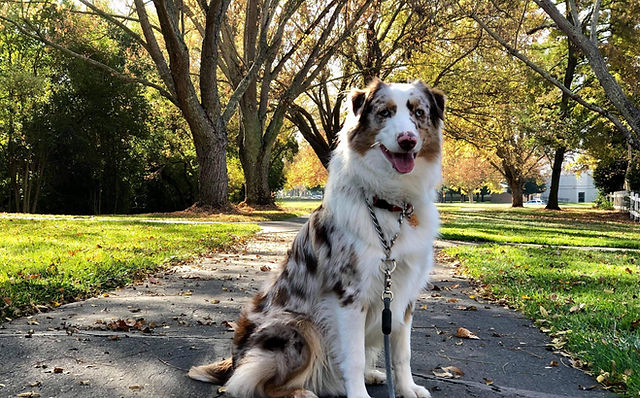
Adoption counselors match families with dogs whose exercise requirements, personalities, and experience levels align. Follow-up support, including training tips and a lifetime return policy, helps adoptions succeed long-term.
The Impact on the Australian Shepherd Community
Through consistent effort, the rescue has created ripple effects that reach beyond individual dogs.
Reducing the Number of Homeless Dogs
By pulling Aussies from crowded shelters and providing interim foster care, the group eases shelter strain and lowers euthanasia rates for the breed.
Promoting Awareness and Education
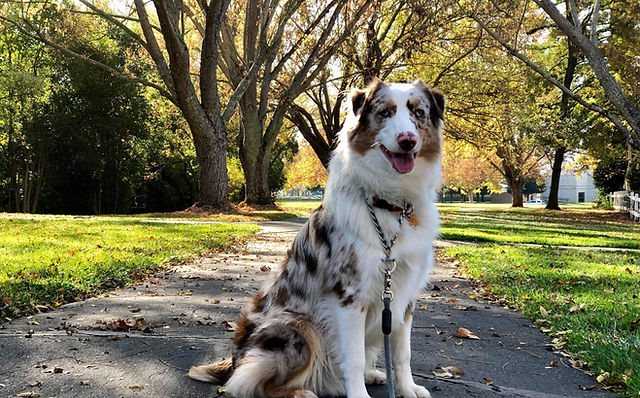
Social media posts, training articles, and meet-and-greet events teach the public about responsible ownership, grooming needs, and mental stimulation ideas specific to herding breeds.
Strengthening the Australian Shepherd Community
Adopters, fosters, and enthusiasts connect through group walks, online forums, and fundraising events, forming a supportive network that celebrates the breed and shares best practices.
Conclusion
The regional Aussie rescue has become an essential safety net, transforming overlooked dogs into beloved companions. Its blend of hands-on care and community education continues to improve outcomes for Australian Shepherds and the families who welcome them.
Recommendations and Future Research

To expand this positive impact, the following steps are suggested:
1. Launch targeted outreach campaigns that highlight success stories and correct common myths about the breed.
2. Partner with shelters to simplify adoption paperwork and host joint weekend events that bring Aussies directly to the public.
3. Create a standardized foster-training curriculum covering leash skills, impulse control, and polite greetings.
4. Track adopted dogs through annual surveys to measure long-term retention, training progress, and owner satisfaction.
By adopting these strategies and continuing to support volunteer-driven rescue, the Australian Shepherd community can look forward to even brighter futures for these intelligent, devoted dogs.


