Best Pet Dog Breeds: A Comprehensive Guide
Introduction
Finding the perfect canine companion can feel like searching for a four-leaf clover—exciting yet daunting. With hundreds of breeds waving their tails for attention, each offering distinct personalities and care needs, the quest becomes smoother when you know what to look for. This guide spotlights breeds that consistently win hearts in family homes, explaining why they shine and how to decide if one might match your rhythm of life.
The Importance of Choosing the Right Breed
A good fit between dog and household sets the tempo for years of shared walks, games of fetch, and quiet evenings on the couch. Energy level, grooming demands, trainability, and sociability all influence daily life; aligning these traits with your own habits prevents friction and nurtures a bond built on mutual enjoyment rather than compromise.
Top 5 Best Pet Dog Breeds
1. Labrador Retriever
Labradors remain a perennial favorite thanks to an easy-going nature and quick mind. They greet guests with a wagging tail, play gently with kids, and learn house rules with enthusiasm. A couple of brisk walks and a few retrieving sessions each day keep them content in either a suburban yard or an apartment near a park.
2. Golden Retriever
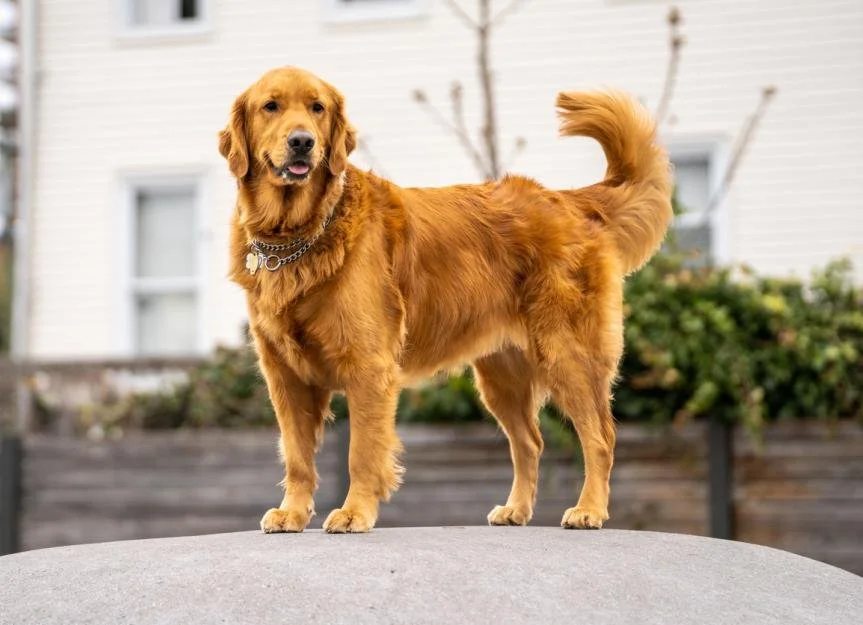
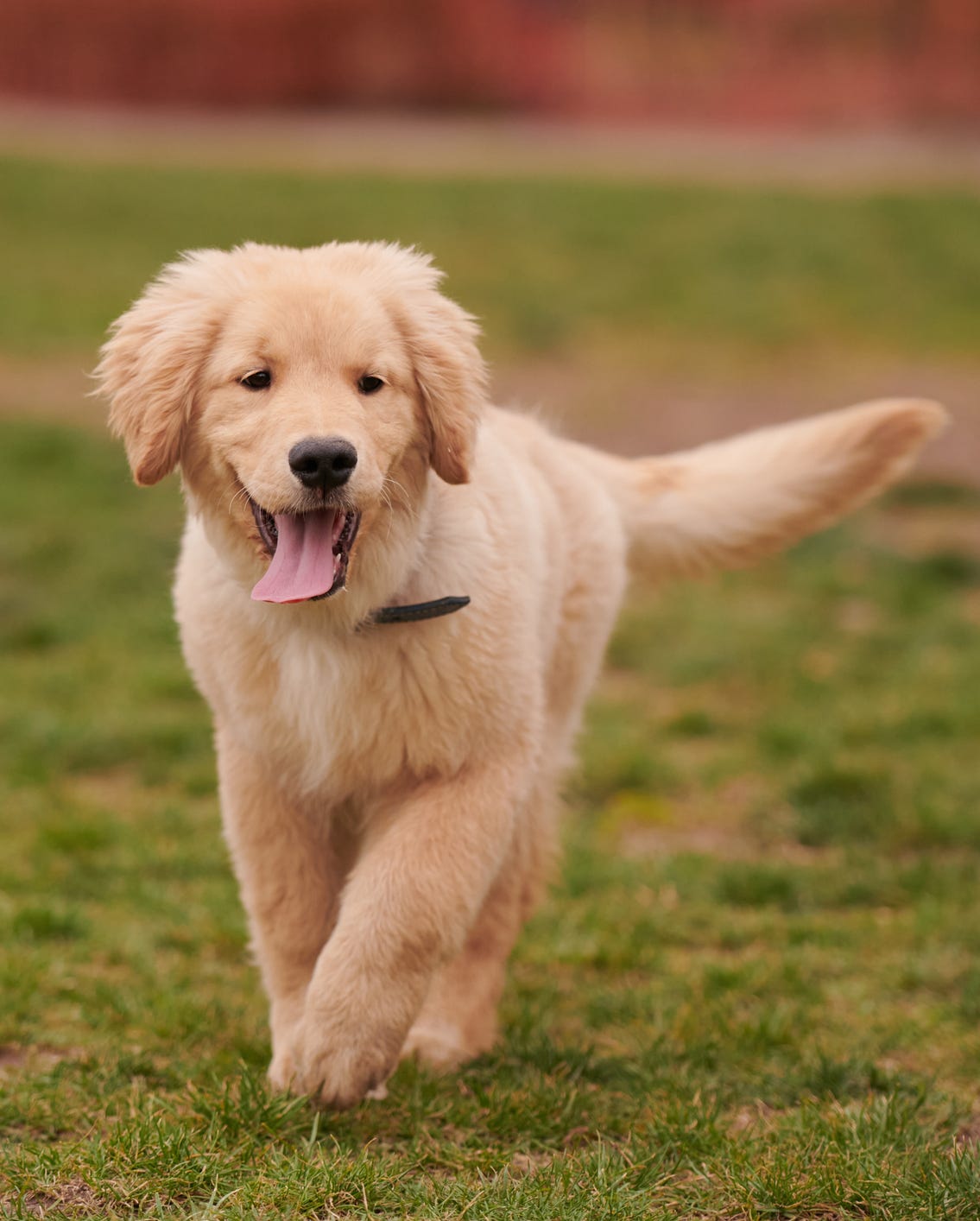
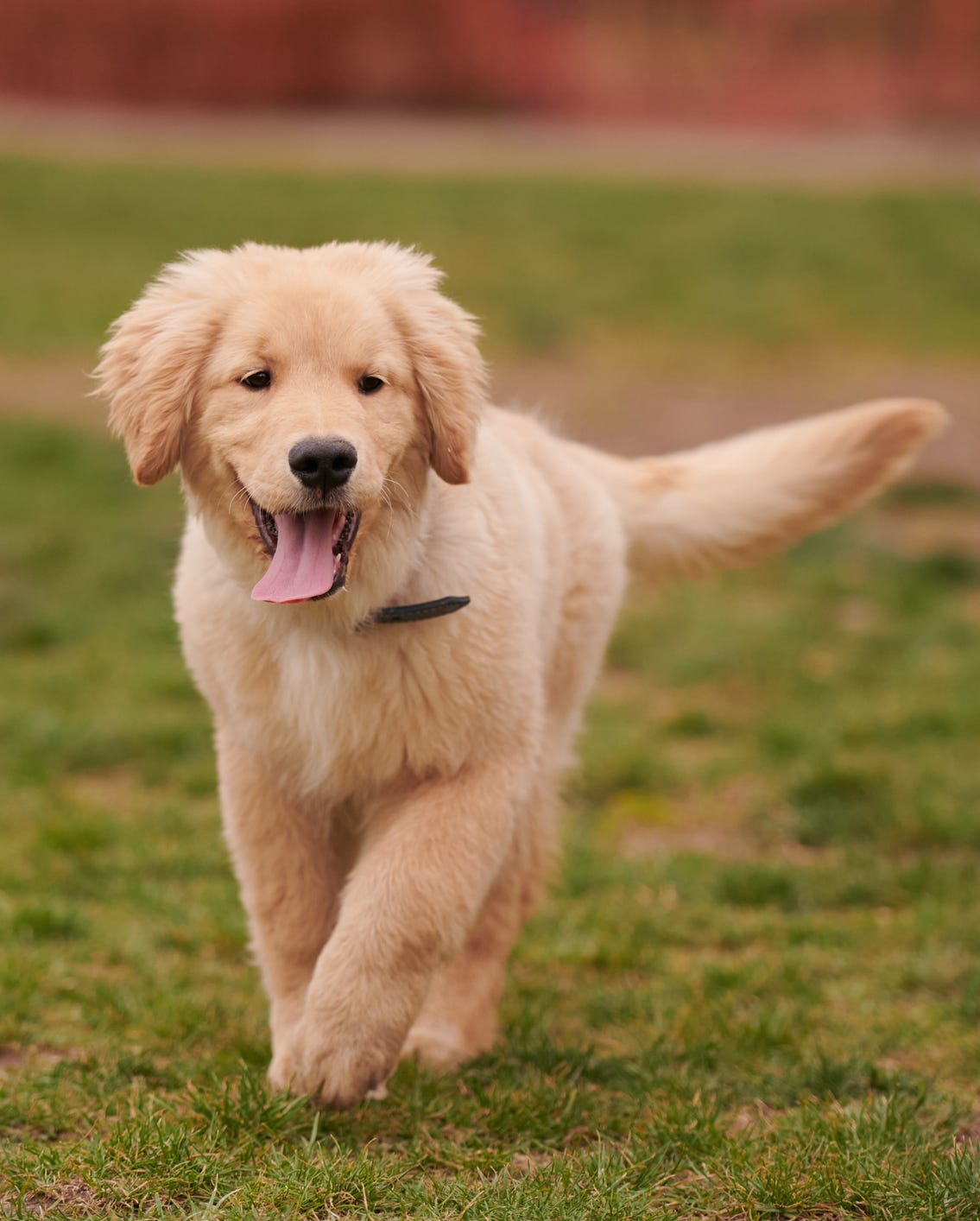
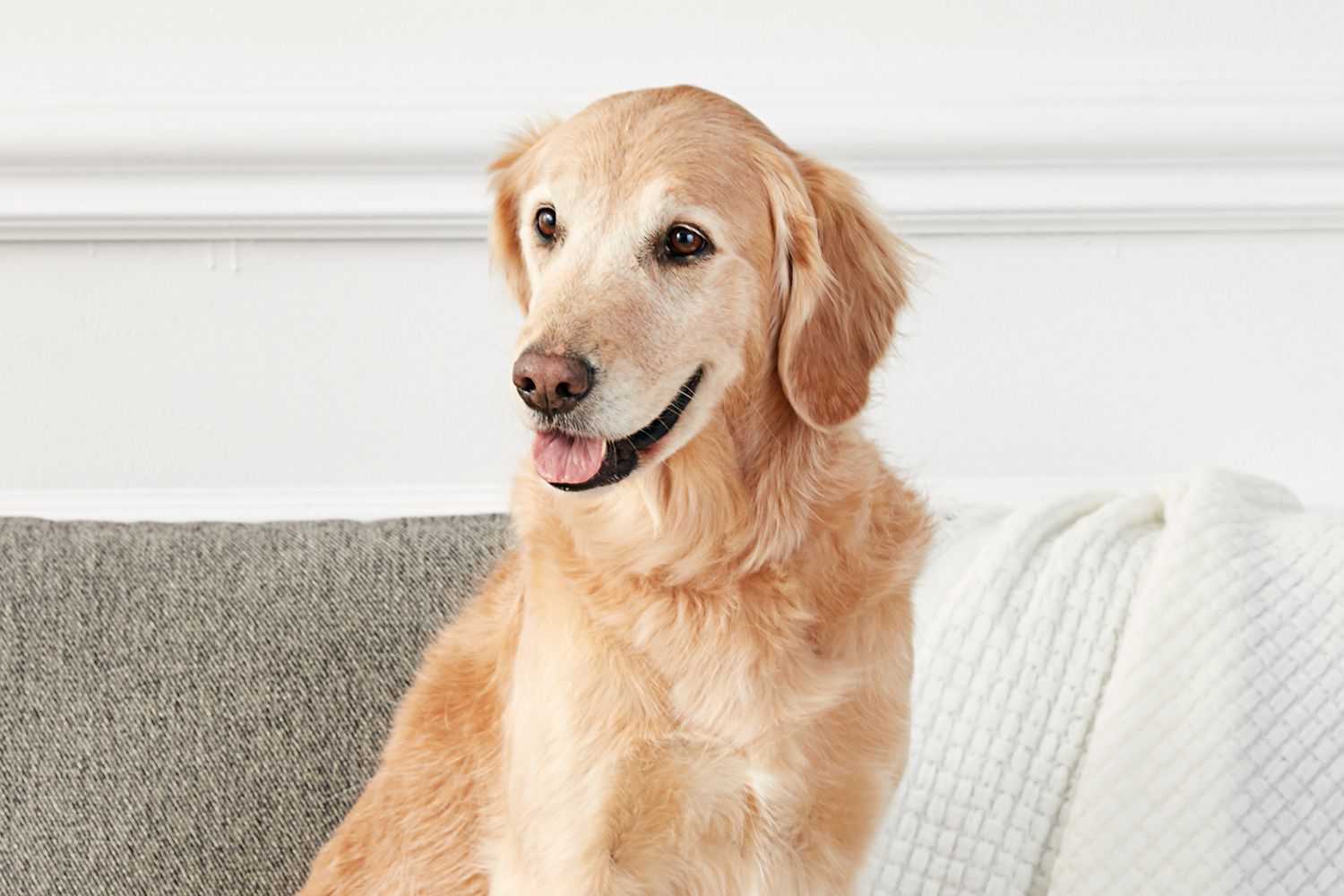
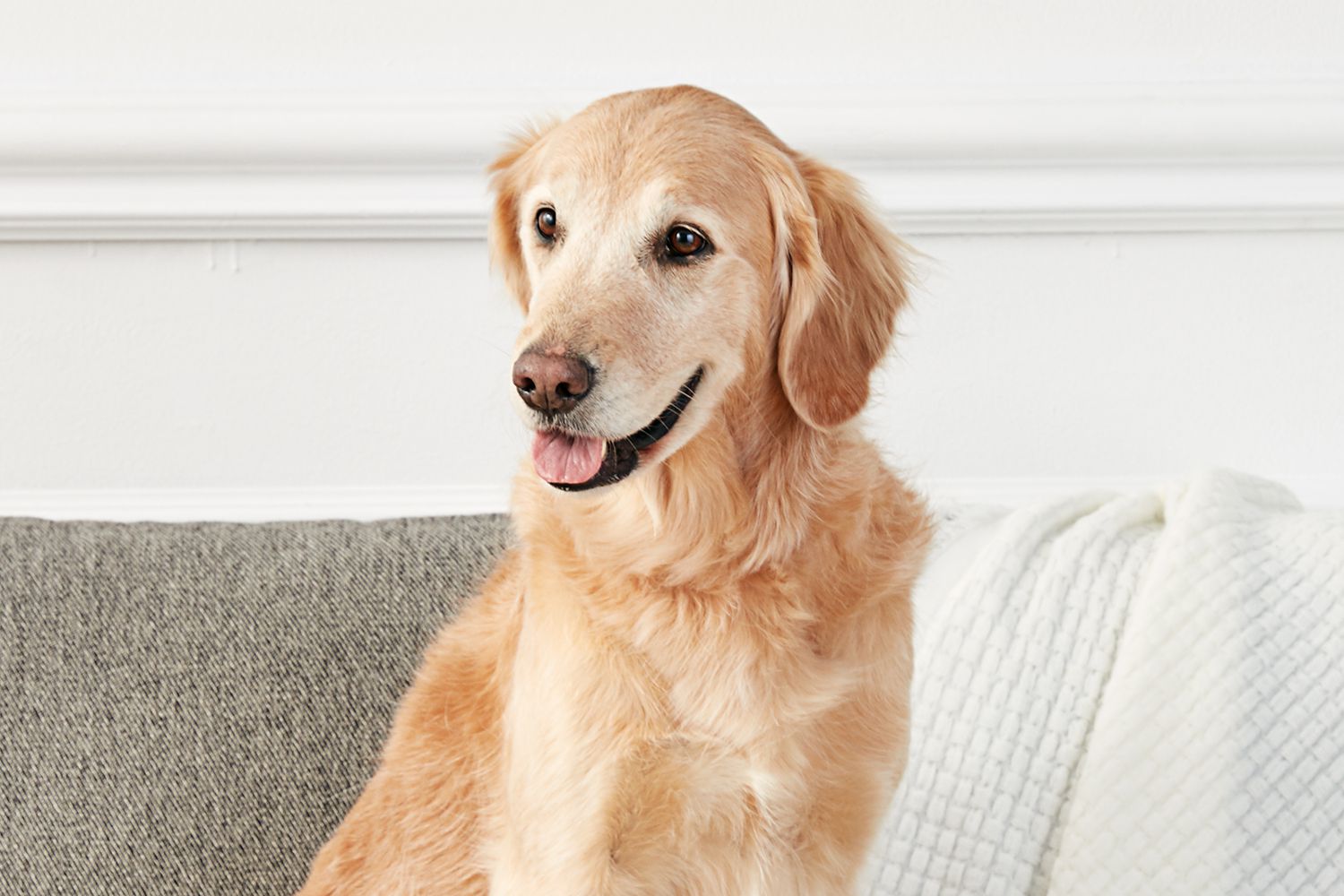
Goldens radiate warmth. Their patient temperament makes them natural playmates for children, while their eagerness to learn simplifies training. Daily brushing keeps the golden coat tidy, and moderate exercise—think hikes or swim retrieves—maintains their bright-eyed smile.
3. German Shepherd
Beneath the noble stance lies a devoted mind that thrives on partnership. German Shepherds excel when given tasks, whether learning tricks, accompanying runners, or playing scent games in the backyard. Consistent guidance channels their protective instincts into calm vigilance rather than over-guarding.
4. Beagle
Compact and merry, Beagles pack adventurous spirits into a small frame. Their curiosity makes every walk a story, yet secure leashes and fenced areas prevent nose-led escapes. Regular play sessions and puzzle feeders satisfy their need for activity and keep howling to a minimum.
5. Poodle
Poodles combine brains with low-shed curls, a blessing for tidy homes or allergy-sensitive owners. Available in three sizes, they adjust to city flats or country estates alike. Mental workouts—obedience, agility, or hide-and-seek—are as vital as physical outings for keeping these thinkers happy.
Factors to Consider When Choosing a Pet Dog Breed
Before falling for a pair of soulful eyes, weigh the following points:
1. Lifestyle
Outdoor enthusiasts may relish a high-energy trail partner, whereas homebodies might prefer a mellow couch companion content with short strolls.
2. Exercise Requirements
Match the dog’s need for movement to the time you can realistically give. A brisk thirty-minute walk may suffice for some, while others demand hours of action.
3. Grooming Needs
Long, silky coats look lovely but need frequent brushing; shorter coats shed and still require routine care. Decide how much brushing, bathing, and professional trimming fit your schedule.
4. Temperament
Some breeds greet strangers like long-lost friends; others stay reserved. Choose a personality that complements your own social style.
5. Compatibility with Children and Other Pets
Patient, sturdy breeds often mesh well with kids, while smaller, delicate dogs may do better in adult-only homes. Multi-pet households benefit from breeds known for amiable pack behavior.
Conclusion
Selecting a dog is less about finding the “perfect” breed and more about discovering the right dance partner for your life’s music. By honestly assessing your routine, activity level, and household dynamics, you can welcome a companion whose needs and affections mirror your own. The reward is a shared rhythm of tail wags, quiet companionship, and memories that linger long after the leash is hung by the door.