Title: The Enchanting World of Pekingese Puppies: A Comprehensive Overview
Introduction:
The Pekingese puppy, with its unmistakable look and endearing character, has won admirers across the globe. This overview explores the breed’s background, distinctive traits, and the everyday joy it brings to households. By looking at several facets of these small companions, we gain a fuller picture of what makes the Pekingese so captivating.
History and Origin
The Pekingese, often called the Imperial Dog of China, carries a legacy that stretches back many centuries. Bred to accompany nobility, the dogs were once kept exclusively within palace walls. Their compact frame, short legs, and lavish coat quickly became symbols of refinement. The breed’s name echoes the former spelling of China’s capital, and it was only in later centuries that these dogs began to charm enthusiasts farther afield. Once introduced abroad, their popularity grew steadily, and today the Pekingese enjoys worldwide recognition.
As trade and travel expanded, the dogs accompanied visitors home, fascinating European families with their lion-like outline and confident gait. From that point on, the breed’s reputation as a devoted companion spread, securing its place among favored toy dogs.
Physical Characteristics
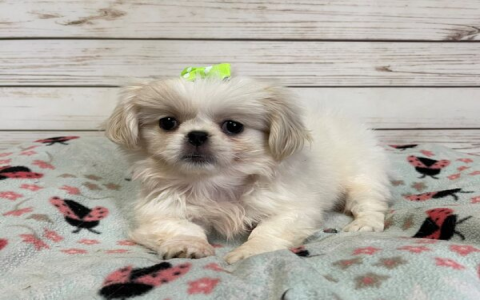
Pekingese puppies present a striking silhouette: a cobby body set on short, sturdy limbs, all wrapped in a double coat that may appear in shades such as fawn, black, or particolor. The head is broad and somewhat rounded, framed by a short muzzle and large, dark eyes that give a thoughtful expression. A luxurious mane circles the neck, while the plumed tail arches over the back, completing the breed’s regal outline.
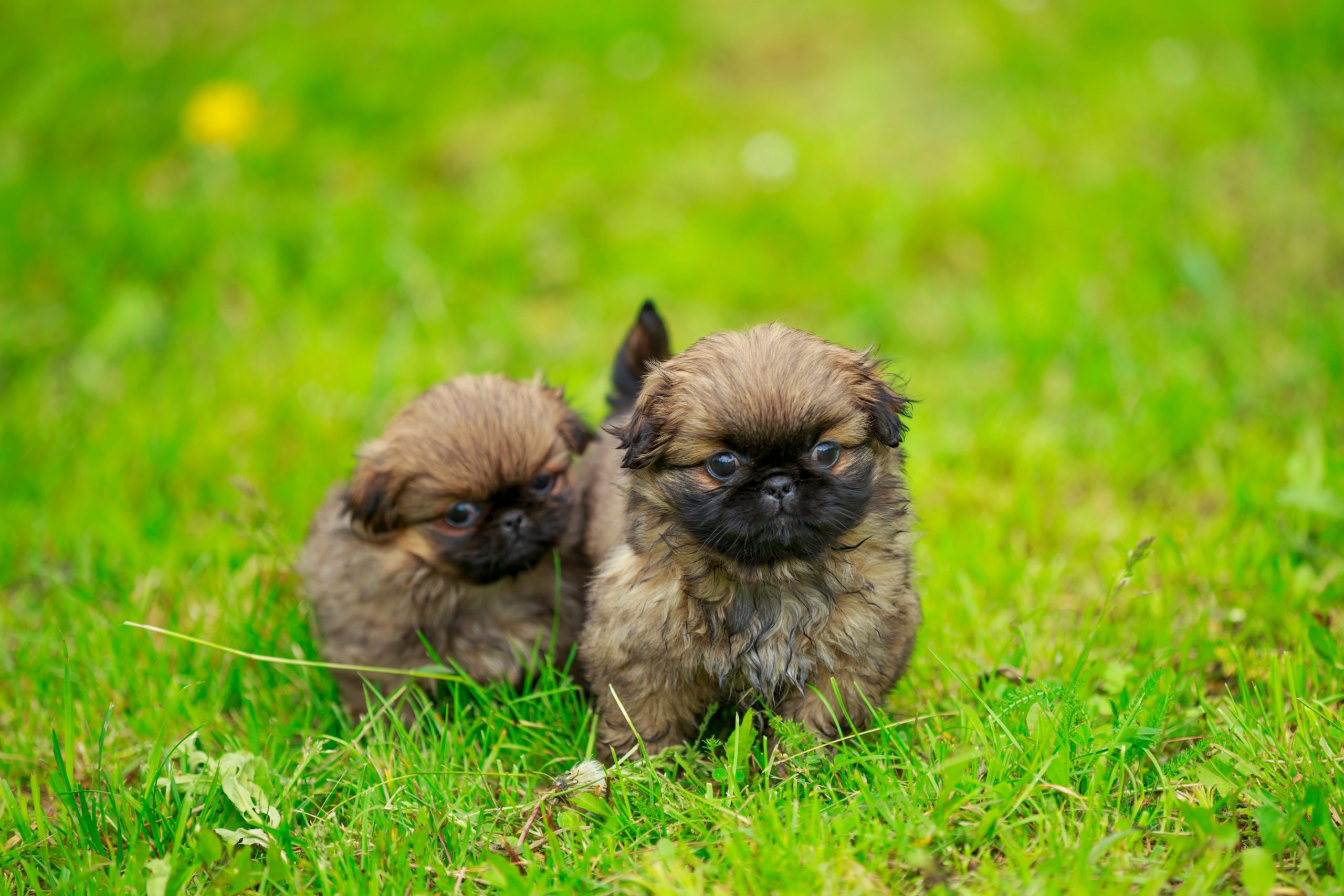
Their abundant coat calls for frequent brushing to keep tangles at bay, and routine care around the eyes and facial folds helps maintain comfort. Despite their small stature, these dogs move with surprising dignity, carrying themselves as though they still stroll through palace courtyards.
Personality and Temperament
Confidence defines the Pekingese temperament. Puppies often display an independent streak, choosing when to offer affection on their own terms. Early, gentle training sets the stage for good manners, because an untended Pekingese may decide house rules are optional. Consistency, praise, and brief sessions work best, turning lessons into a cooperative game rather than a battle of wills.
They usually adapt well to polite children who respect canine space, and their natural alertness makes them reliable little watchdogs. While they seldom seek rough-and-tumble play, they are happiest when included in daily routines, whether that means supervising from a favorite cushion or joining a calm evening stroll.
The Impact of Pekingese Puppies on Their Owners
Sharing life with a Pekingese can brighten everyday moments. Their quiet companionship offers comfort after a long day, and their comedic bursts of energy often spark laughter. Because exercise needs remain moderate, they suit a range of lifestyles, from city apartments to quiet suburbs.
Regular short walks benefit both dog and owner, encouraging gentle activity and brief outdoor breaks. The bond formed during grooming sessions or relaxed couch time can lower stress and create a soothing rhythm to the day, illustrating how a small dog can leave a large emotional footprint.
Health Concerns and Care
Prospective owners should be aware of a few breed-related considerations. The shortened muzzle, while part of the signature look, can make warm-weather exercise challenging. Providing shade, fresh water, and avoiding midday heat help prevent overheating. Likewise, keeping weight in check reduces strain on joints and the respiratory system.
Routine vet visits remain essential to monitor knees, heart, and skin, and to catch any early signs of allergies or dental issues. A balanced diet, daily tooth brushing, and regular coat maintenance form the foundation of a healthy life, ensuring the dog stays comfortable and content.
Conclusion
The Pekingese blends history, charm, and loyalty into one small package. Understanding the breed’s background, grooming needs, and self-assured nature allows owners to provide an environment where these dogs thrive. With thoughtful care, a Pekingese rewards its family with steadfast companionship and quiet affection, proving that grandeur can indeed arrive on tiny paws.
In closing, welcoming a Pekingese into the home means embracing a centuries-old tradition of companionship. By respecting the breed’s unique requirements and celebrating its dignified personality, guardians ensure these enchanting dogs continue to flourish as cherished household members.
Future Research:
Continued study into responsible breeding practices could help reduce respiratory and orthopedic concerns in the breed. Investigations into enrichment activities suited to toy dogs may also reveal new ways to support their mental wellbeing, further strengthening the human-canine bond.