


The Impact of a Local Shelter Network on Animal Welfare and Community Engagement
Introduction
A community-based animal-welfare group has quietly transformed the way residents care for homeless pets. This article examines how the network’s shelter, outreach, and education programs have improved daily life for animals while inspiring broader civic participation.
The Mission of the Network
Founded to give every companion animal a safe future, the group focuses on rescue, rehabilitation, and responsible guardianship. Its guiding principle is simple: secure, loving homes lead to healthier pets and stronger neighborhoods.
Shelter and Care Services
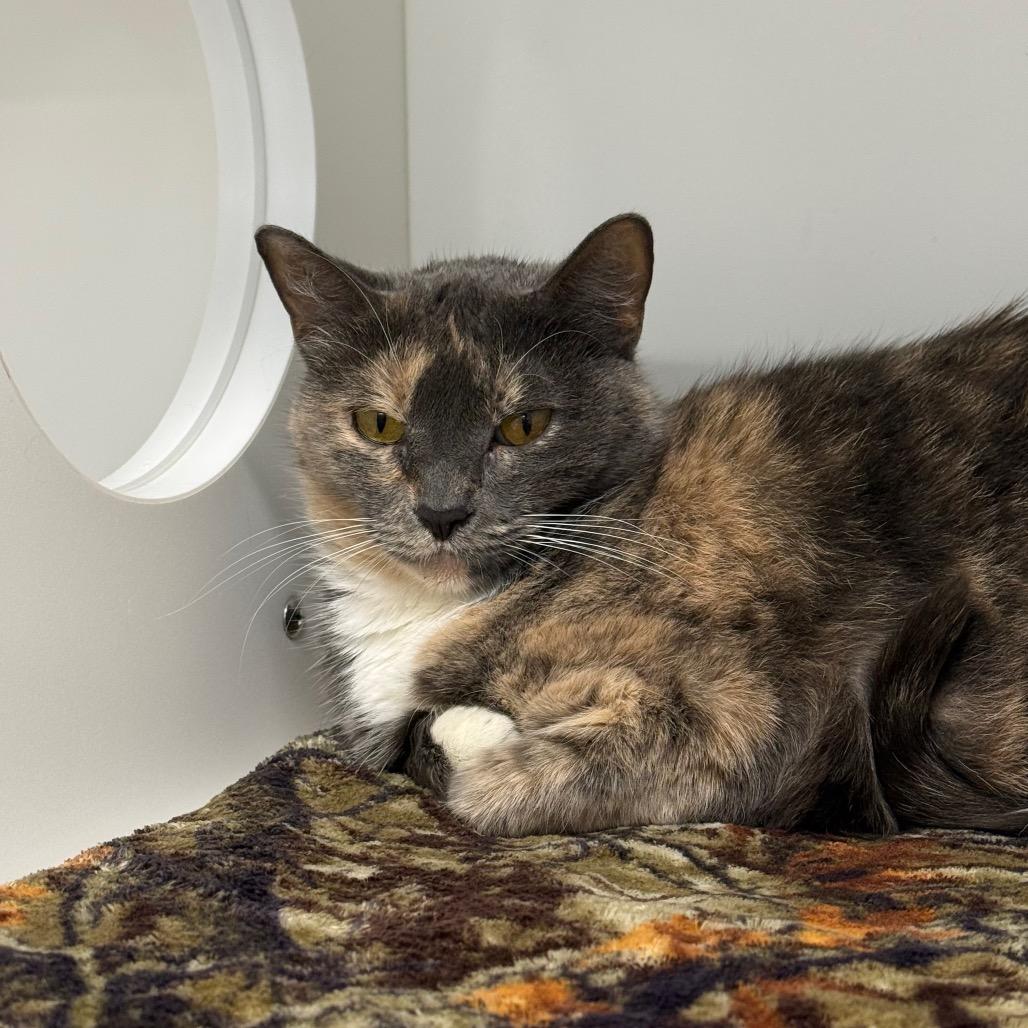
The shelter serves as a temporary refuge where lost or surrendered animals receive immediate attention. Staff and volunteers coordinate intake, assessment, and daily enrichment to keep stress low and spirits high.
Medical Care
On-site veterinarians provide vaccinations, spay-neuter surgery, and treatment for injuries or chronic conditions. Preventive care not only prepares animals for adoption but also limits the spread of common illnesses.
Food and Shelter
Clean kennels, climate-controlled spaces, and balanced meals meet basic needs, while toys and socialization sessions support mental health. Rotating volunteers ensure each animal enjoys human interaction throughout the day.
Adoption Services
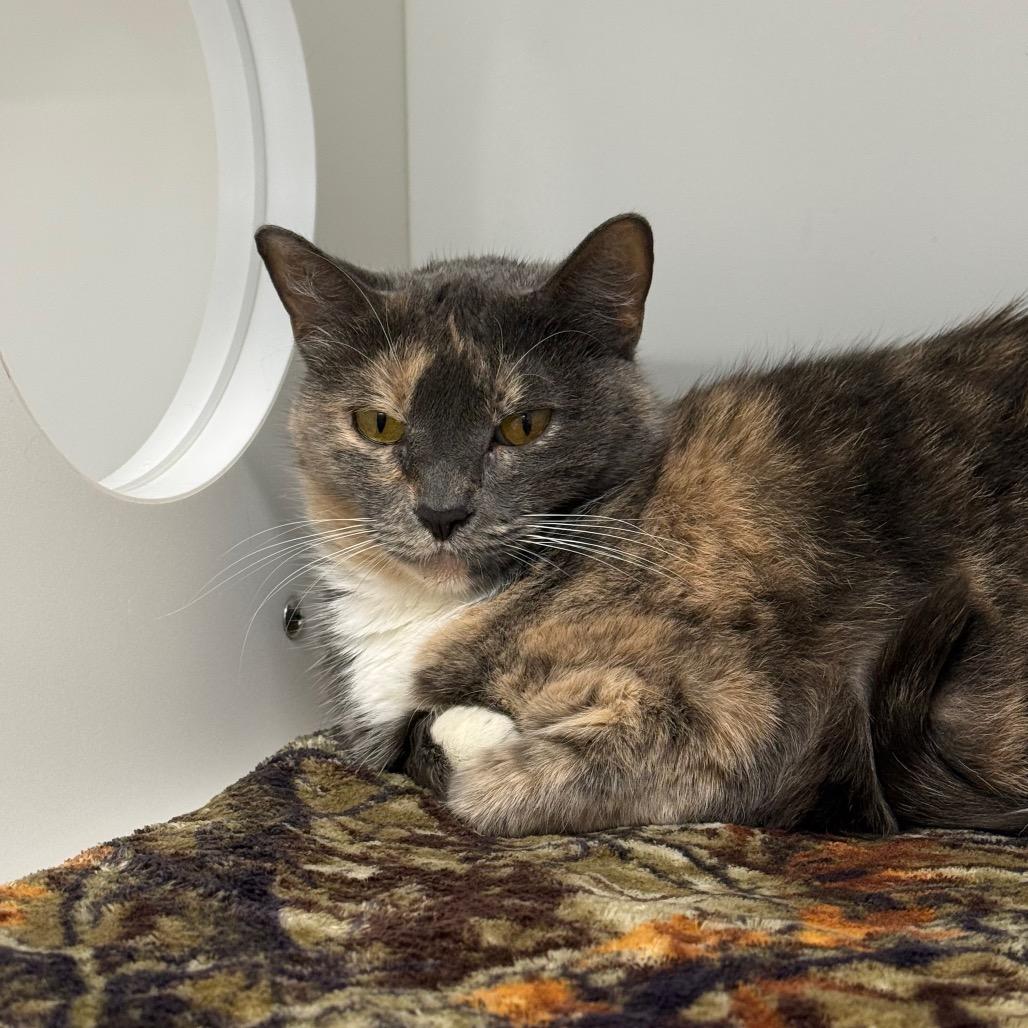
The network runs a streamlined adoption process designed to create lasting matches.
Matching Animals with Potential Owners
Counselors discuss lifestyle, experience, and expectations with prospective guardians, then introduce suitable pets in a relaxed meet-and-greet area. Follow-up calls help smooth the transition after paperwork is complete.
Adoption Events
Weekend pop-ups at parks, cafés, and markets give animals a chance to shine outside the kennel. Bright bandanas, quick bios, and volunteer handlers turn casual visitors into adopters.
Community Engagement

Outreach efforts extend well beyond the shelter walls, nurturing a culture of compassion and shared responsibility.
Educational Programs
School talks, library story hours, and after-school clubs teach children how to read animal body language and practice gentle handling. Adult workshops cover topics from basic training to low-cost veterinary resources.
Partnerships with Local Businesses
Pet-supply shops, groomers, and cafés host donation drives and sponsor adoption fees. In return, the businesses gain loyal customers who appreciate their social commitment.
Impact on Animal Welfare

Measurable gains include healthier animals and fewer homeless pets on local streets.
Reduction in Stray Animals
Consistent trap-neuter-return projects and accessible surrender options have steadily decreased the number of free-roaming cats and dogs, easing pressure on municipal services.
Improved Health and Well-being
Regular veterinary checks and enriched daily routines mean adopters take home relaxed, well-socialized companions, reducing post-adoption returns and medical emergencies.
Impact on Community Engagement
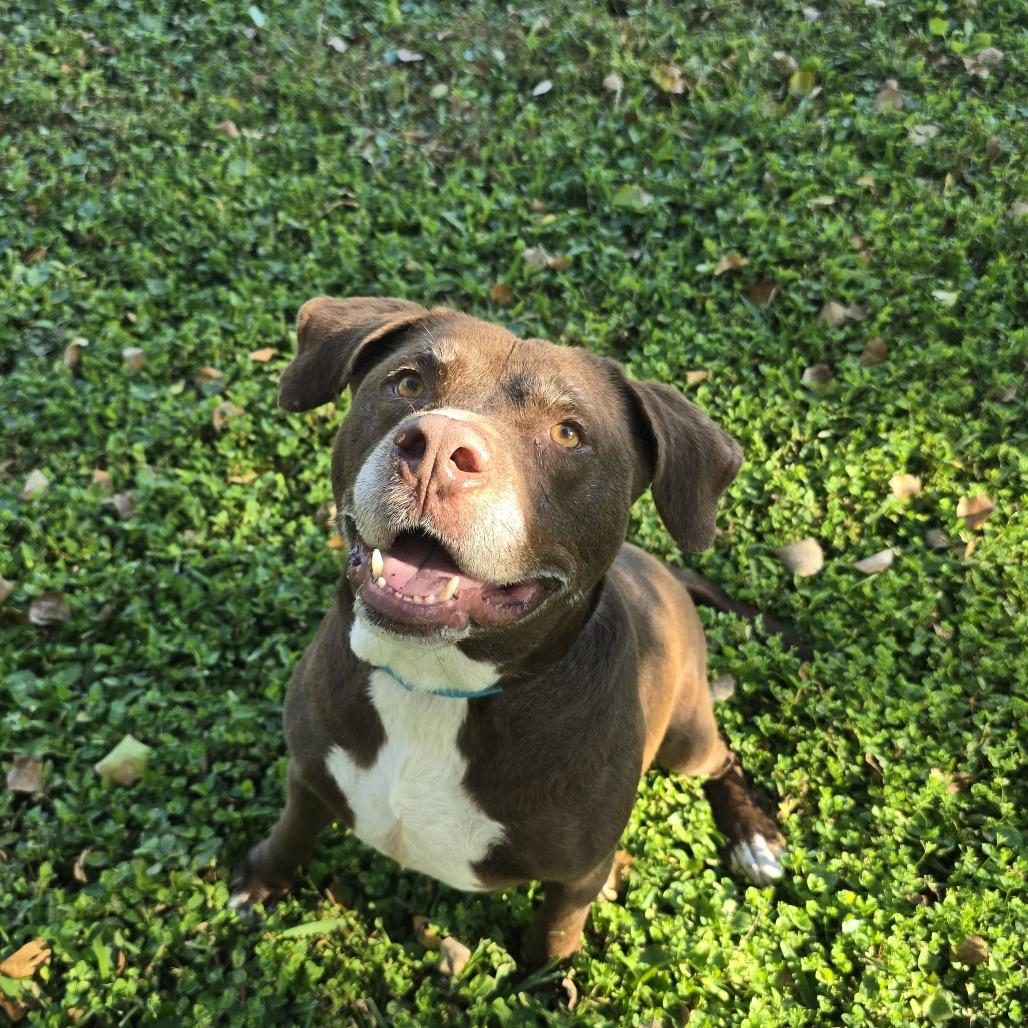
Shared goals have knitted residents, educators, and entrepreneurs into a proactive support system.
Increased Awareness
Social media campaigns and neighborhood flyers spotlight success stories, reminding the public that adoption is a rewarding first choice when adding a pet to the family.
Strengthened Community Bonds
Joint fundraisers and volunteer days create casual meeting points where people discover common values, forging friendships that outlast any single event.
Conclusion
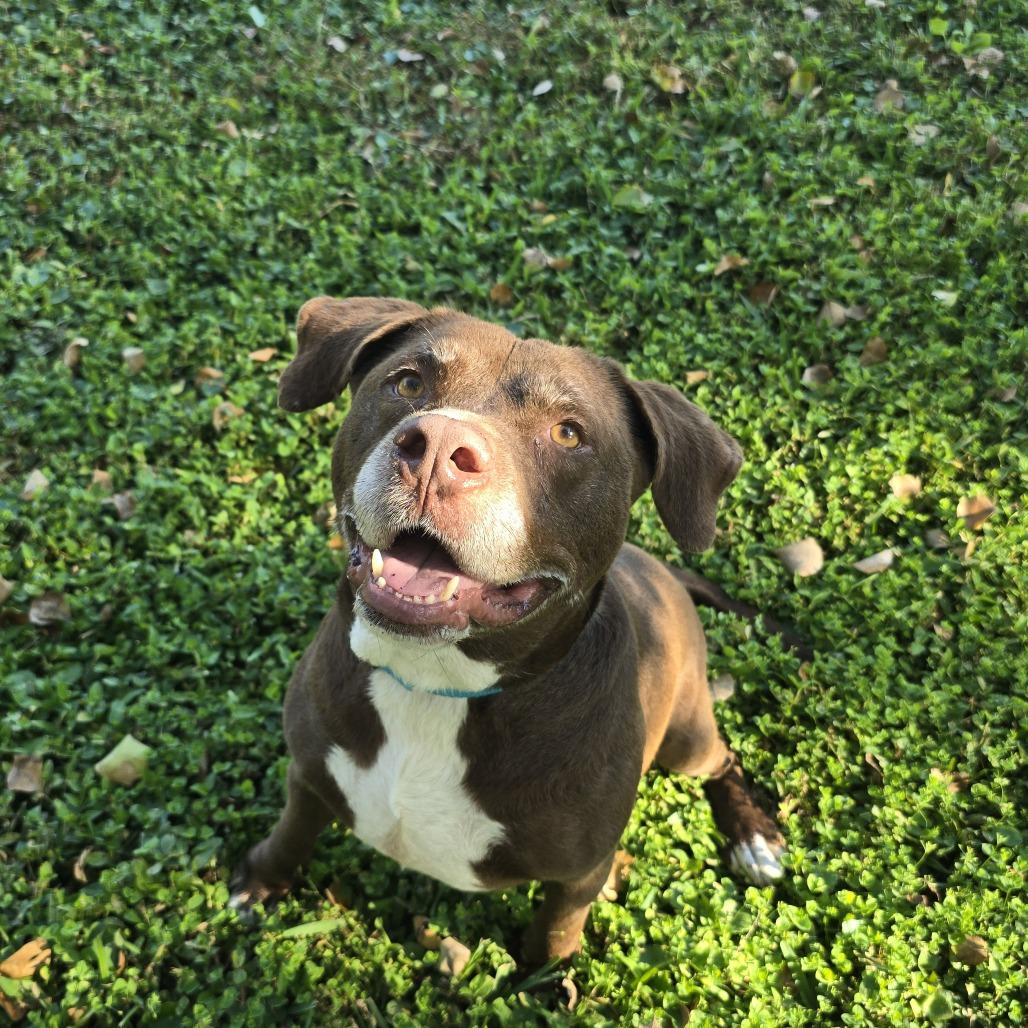
By combining compassionate care with inclusive outreach, the local shelter network has elevated both animal welfare and civic pride. Continued collaboration promises even wider benefits for pets and people alike.
Recommendations and Future Research
To build on current momentum, the network could:
1. Expand Educational Programs: Offer virtual classes and bilingual materials to reach wider audiences.
2. Collaborate with Local Schools: Develop semester-long projects that let students design enrichment toys or adoption posters.
3. Utilize Technology: Introduce a mobile app that updates adopters on their new pet’s medical records and training tips.

Future studies might track long-term adoption retention, measure community attitudes toward spay-neuter initiatives, and evaluate which outreach methods most effectively inspire volunteerism and donations.


