
Husky Puppies for Sale in Maine: A Comprehensive Guide
Introduction
Maine’s rugged coastlines, quiet forests, and tight-knit towns make it an ideal place to raise an active dog. Among the breeds that turn heads in local parks, the Siberian Husky remains a perennial favorite. Their wolfish good looks, playful spirit, and endless stamina draw families, hikers, and sledding enthusiasts alike. This guide walks you through what to expect when looking for a Husky puppy in the Pine Tree State, from first glance to life at home.
Characteristics of Husky Puppies
Appearance
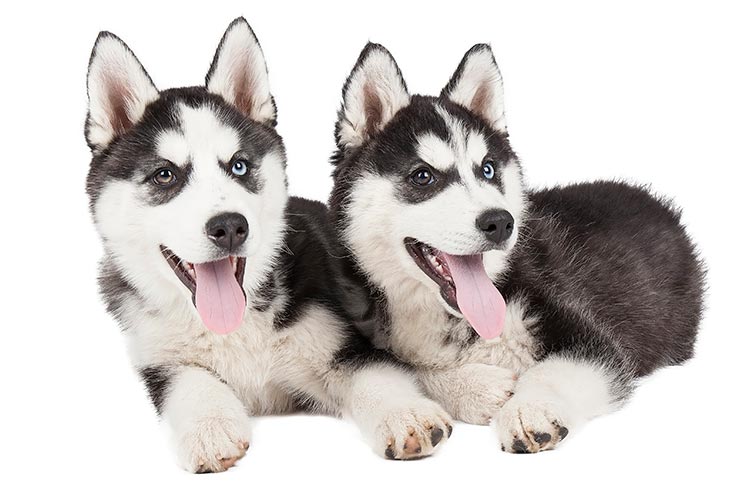
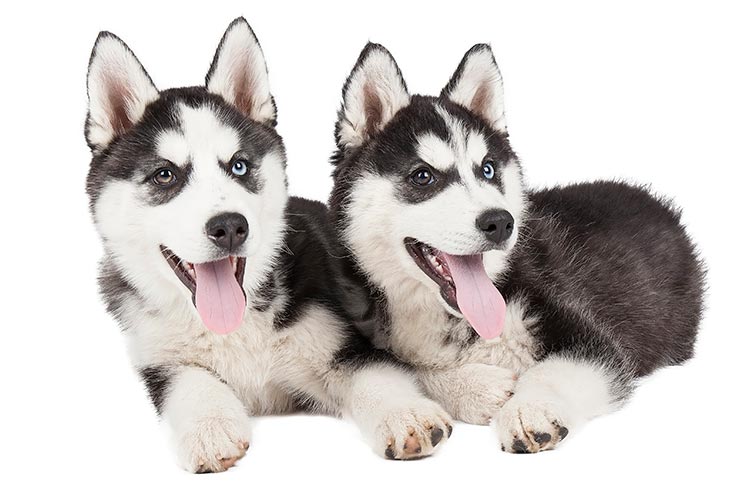
These pups arrive wrapped in a dense double coat that can shimmer in shades of charcoal, pure white, or silver-gray. Almond eyes—ice-blue, warm brown, or a mismatched pair—peek out from a face that looks ready for a fairy-tale sled ride. Even at eight weeks, the trademark mask and erect ears give them a tiny wolf vibe that stops strangers mid-stride.
Temperament
Huskies greet the world tail-first. They are cheerful, talkative, and wired for companionship, yet they also own a stubborn streak that keeps owners on their toes. A sense of humor helps; they will outsmart routine gates and claim the couch if rules drift. Consistent guidance turns their independence into cooperative adventure.
Energy Levels
Bred to trot across frozen miles, these puppies wake up ready to run. A short stroll around the block barely registers on their fitness tracker. Without a healthy outlet—long hikes, bike-joring, or spirited games—couch cushions may become collateral damage.
Finding Husky Puppies in Maine
Reputable Sources
Start with breeders who raise litters inside the home, welcome questions, and happily show health records. Good signs: clean living areas, playful confident pups, and parents who greet visitors calmly. Ask about eye and hip screenings, and request a written health guarantee. If a seller rushes the process or always has pups available, keep looking.
Adoption Options
Rescue groups and shelters across Maine regularly have young Huskies surrendered when owners underestimate the exercise commitment. Adopting gives a second chance to a teenager or young adult who may already be house-trained and past the razor-sharp baby-teeth stage.
The Adoption Process
Health Check
Schedule a vet exam within the first week. A typical visit includes listening to the heart, checking knees and eyes, and discussing a vaccination schedule. Mention the breed’s predisposition to eye disorders and request a basic ophthalmic screening if possible.

Training and Socialization
Enroll in a positive-reinforcement puppy class the moment vaccines allow. Early exposure to new surfaces, sounds, and friendly dogs helps curb the Husky urge to flee when bored or startled. Practice recall daily—treats, toys, and praise make coming back more fun than dashing off.
Exercise and Care
Plan on at least two brisk activity sessions daily: a 45-minute trail walk followed by flirt-pole sprints or a backpack hike. Mental workouts matter too—scatter-feeding kibble in the yard or teaching “find the toy” keeps their clever brain engaged. Brush the coat three times a week; daily during spring and fall “blow-outs.”
Tips for Husky Ownership
Consistent Training
Use short, upbeat lessons. Reward offered behaviors you like—sitting quietly, making eye contact—before they invent their own tricks. Keep sessions novel; repetition bores them faster than most breeds.
Adequate Exercise
A tired Husky is a well-behaved Husky. Off-leash runs must happen only in secure areas; a five-foot fence with a dig guard is the baseline. In winter, a simple sled or ski-jor setup lets them pull safely while you enjoy the ride.
Grooming
A slicker brush and undercoat rake are your best friends. Work in sections, praising calmly; mats form quickly behind ears and under the collar. Bathe every two to three months unless mud adventures dictate sooner.
Conclusion
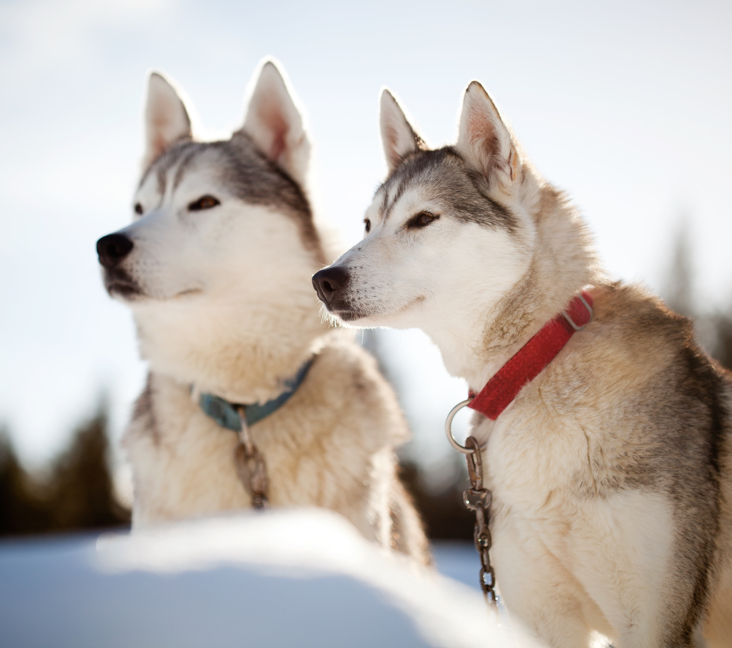
Bringing a Husky puppy into a Maine household promises laughter, breathtaking sunrise runs, and a loyal trail companion. Success lies in matching their vigor with patient guidance, sturdy fencing, and a sense of adventure. Meet their physical and social needs, and you’ll share years of snowy romps and summer lake dives with a dog who never stops smiling.
Future Research
Topics worth exploring include the influence of early scent-work on reducing wanderlust, comparative success of harness-based versus collar-based loose-leash training, and regional diet adaptations that support coat health in New England humidity. Deeper insight into these areas will help future owners keep their spirited partners happy, healthy, and home.