


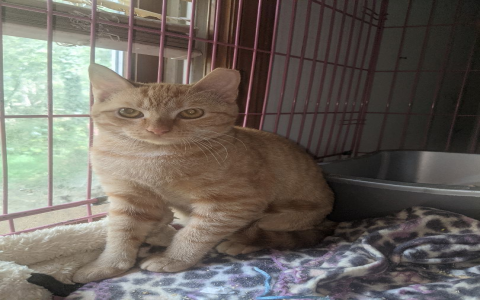
Title: How a Small Kitten Rescue Is Changing Feline Welfare and Adoption
Introduction
Animal welfare has become a growing concern worldwide, prompting countless groups to step up for creatures that cannot speak for themselves. Among them is a volunteer-run kitten rescue that quietly pulls tiny felines from danger and places them into safe, permanent homes. This article looks at how that rescue works, why it matters, and the ripple effects it creates for cats and communities alike.
The Mission Behind the Effort
The rescue was created to give abandoned, sick, or surplus kittens a second chance. By offering emergency shelter, medical care, and a path to adoption, the team hopes to lower shelter intake numbers and give every kitten the prospect of a long, healthy life indoors.
Strategies and Programs
Several complementary programs keep the mission on track:
1. Field Rescue: Volunteers respond to calls about kittens found under porches, in parking lots, or at local pounds. Each cat is examined, vaccinated, and stabilized before placement.
2. Foster Network: Instead of housing cats in a central facility, the group places them in private homes where families provide daily care, socialization, and lots of playtime.

3. Meet-and-Greet Events: On weekends the foster cats travel to pet stores, farmers’ markets, and community fairs so the public can interact with them in a relaxed setting.
4. Public Education: Short talks, social media posts, and printed hand-outs remind neighbors about spay/neuter services, proper nutrition, and the lifelong commitment a pet requires.
The Impact on Feline Welfare
By moving kittens out of high-risk situations and into foster homes, the rescue eases pressure on crowded shelters and reduces euthanasia rates. Each cat receives individualized medical attention and behavioral enrichment, producing healthier, friendlier pets that adapt quickly to family life.
Moreover, the foster model itself is a welfare boost: kittens learn to trust people, ride in cars, and live peacefully with other animals, all before adoption day arrives.
The Impact on Adoption Rates
Regular events and a strong online gallery of photos keep a steady stream of adopters flowing in. Because kittens are already spayed or neutered, dewormed, and litter-trained, the adoption process feels simple and appealing, encouraging visitors to choose rescue over purchasing from breeders.
Education efforts also chip away at myths—such as the idea that shelter cats are inherently sick or badly behaved—further normalizing adoption as the first choice for prospective pet parents.
Success Stories and Testimonials
Adopters frequently send updates: a once-timid tabby who now greets guests at the door; a pair of bonded siblings who ride shotgun in the family RV; or an office cat who doubles as a therapy companion for remote workers. These anecdotes reinforce the message that rescued kittens thrive when given the opportunity.
Challenges and Future Directions
Kitten season still arrives every spring, stretching volunteer hours and veterinary funds. Rising costs of fuel, medicine, and food add extra strain. To stay ahead, the group is expanding its donor base, applying for small grants, and partnering with regional clinics to secure low-cost surgeries.
Long-term, leaders hope to open a modest community clinic that offers affordable spay/neuter to all local cats, further attacking overpopulation at its source.
Conclusion
In just a few years this grassroots rescue has rewritten the future for hundreds of kittens and, by extension, for the families who welcome them. Its blend of hands-on care, foster love, and public outreach shows how focused local action can chip away at a national problem.
The project stands as proof that when neighbors pool time, talent, and compassion, even the smallest creatures benefit—and every successful adoption nudges the broader culture toward kindness, responsibility, and hope.


