The Complete Guide to Small-Breed Nutrition and Everyday Care
Introduction
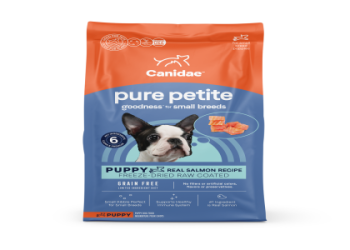
The Chihuahua may be pocket-sized, but its personality is larger than life. Keeping these little dogs happy hinges on balanced nutrition and thoughtful daily care. Many owners turn to specialty diets crafted for toy breeds, and this guide explains why, covering key nutrients, feeding routines, and practical tips that help Chihuahuas thrive.
Nutritional Needs of Toy Breeds
Energy Requirements
Fast metabolisms and bursts of activity mean Chihuahuas need calorie-dense meals split into small portions. A nutrient-rich kibble designed for toy breeds supplies steady energy without overwhelming tiny stomachs.

Protein and Fat
Lean animal proteins support firm muscle tone, while moderate fat adds palatability and concentrated energy. Look for named meats—chicken, salmon, or lamb—listed first on the label, and avoid formulas heavy on by-products or fillers.
Vitamins and Minerals
Calcium and phosphorus in correct ratios keep little bones strong; omega fatty acids maintain a glossy coat and reduce dry skin. Added antioxidants such as vitamin E help protect immune systems that can be delicate in very small dogs.
Food Formats to Consider
Dry Food

Crunchy kibble helps reduce tartar buildup, a common issue in tiny mouths. Choose pieces sized for toy jaws; many brands offer mini or “small breed” bites that are easier to chew and less likely to be swallowed whole.
Wet Food
A spoonful of wet food mixed into kibble adds moisture and aroma, tempting picky eaters. Single-serve trays prevent waste and keep portions appropriate—roughly one ounce per five pounds of body weight, adjusted for activity level.
Treats
Training rewards should be pea-sized and low-calorie. Soft, chewy morsels work well for older dogs with dental issues, while crunchy mini-biscuits help satisfy the urge to chew without loading extra calories.
Smart Feeding Practices

Feeding Schedule
Adult Chihuahuas do best on two or three evenly spaced meals. Puppies under four months may need four feedings; seniors often prefer two lighter meals to reduce the risk of hypoglycemia.
Portion Control
Use a kitchen scale or measuring cup; eyeballing often leads to overfeeding. Adjust monthly based on body condition—ribs should be easy to feel, not see, and a waistline should tuck in when viewed from above.
Fresh Water
Refill the bowl at least twice daily. Some dogs drink more from a shallow ceramic dish that keeps whiskers dry; others prefer a circulating fountain that keeps water cool and oxygenated.

Supplements: When and Why
Most complete toy-breed diets already include joint-supporting nutrients, but aging dogs or those with mobility issues may benefit from veterinarian-approved glucosamine. Fish-oil capsules can enhance coat sheen, yet dosage must suit a tiny frame—always check with a professional first.
Conclusion
Balanced meals, consistent portions, and plenty of fresh water form the cornerstone of Chihuahua wellness. Pair good nutrition with routine vet visits, daily exercise, and dental care, and these spirited companions can enjoy long, vibrant lives.
Future Research and Recommendations
Ongoing studies into gut micro-biome health may refine how we select proteins and fibers for toy breeds. Meanwhile, rotating protein sources within the same brand line can reduce boredom and may lower food sensitivities over time. Whatever path you choose, introduce changes gradually and monitor weight, stool quality, and energy levels to ensure your little dog stays in perfect stride.

In short, attentive feeding tailored to a Chihuahua’s unique size and spirit is one of the simplest ways to return the boundless affection these tiny dogs give every day.