Bombay Cat Health Considerations: A General Guide
Introduction
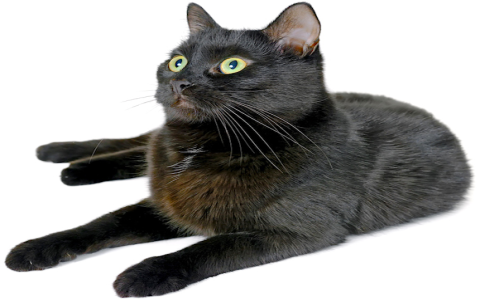
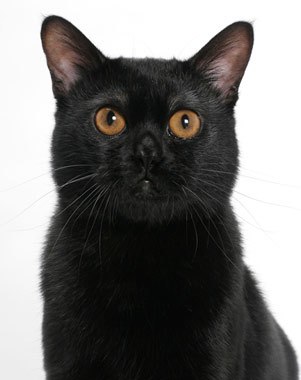
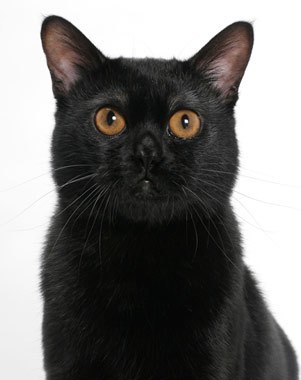
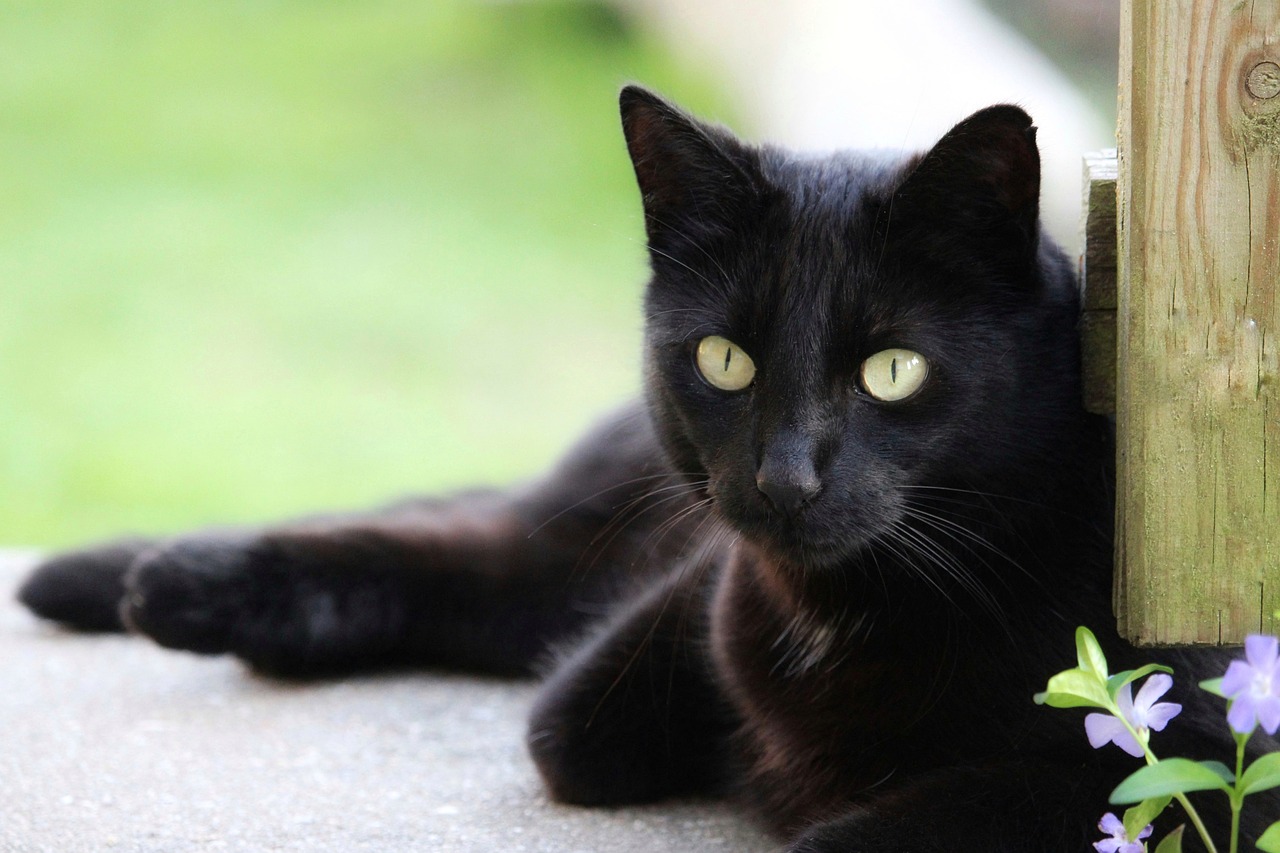
The Bombay cat, admired for its glossy black coat and affectionate nature, is a favorite among feline lovers. Like all breeds, it may face certain health challenges that benefit from attentive care. This overview highlights conditions sometimes observed in Bombay cats, outlines typical signs, and suggests practical steps owners can take to support lifelong wellness.
Hereditary Conditions
1. Heart Health
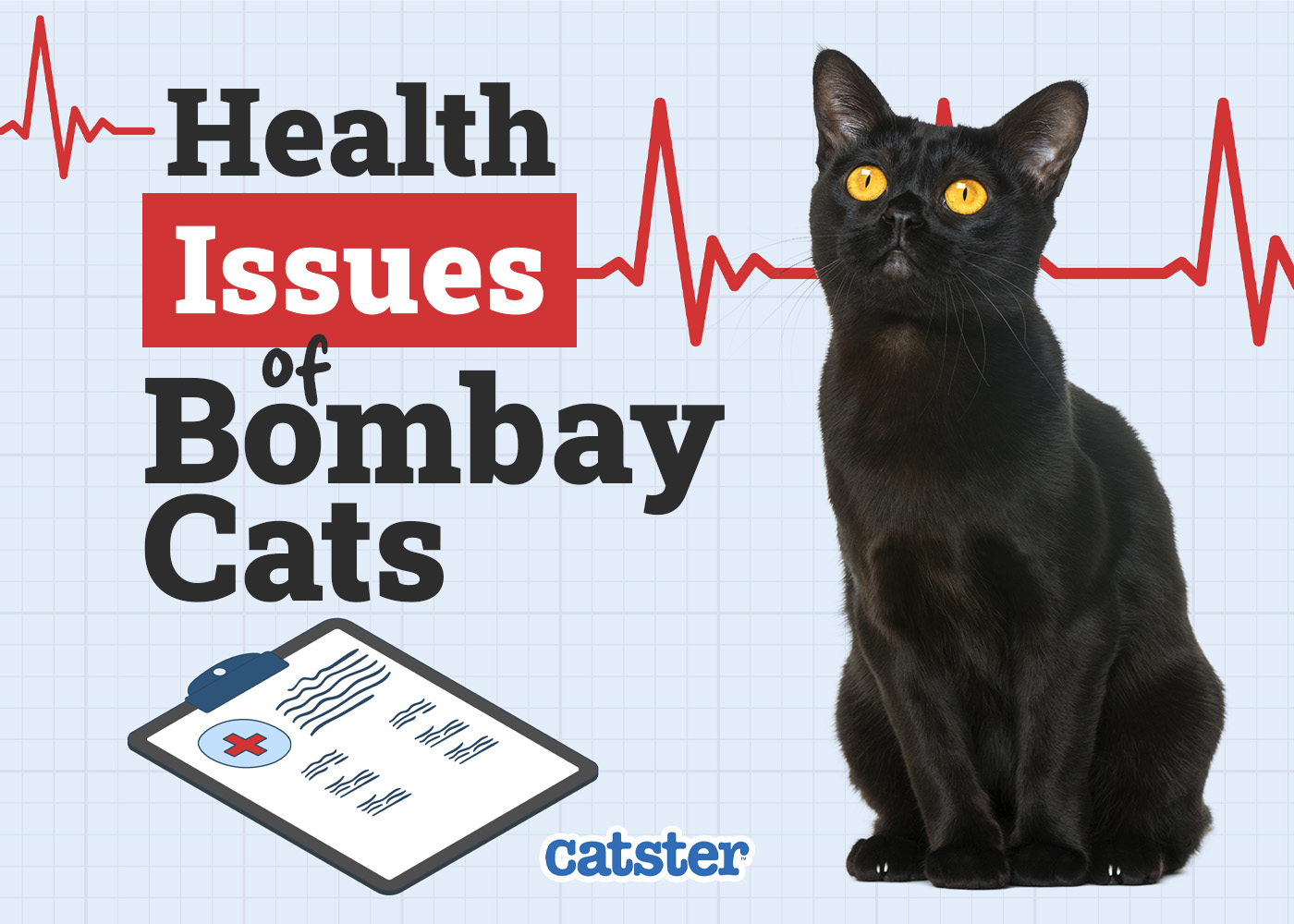
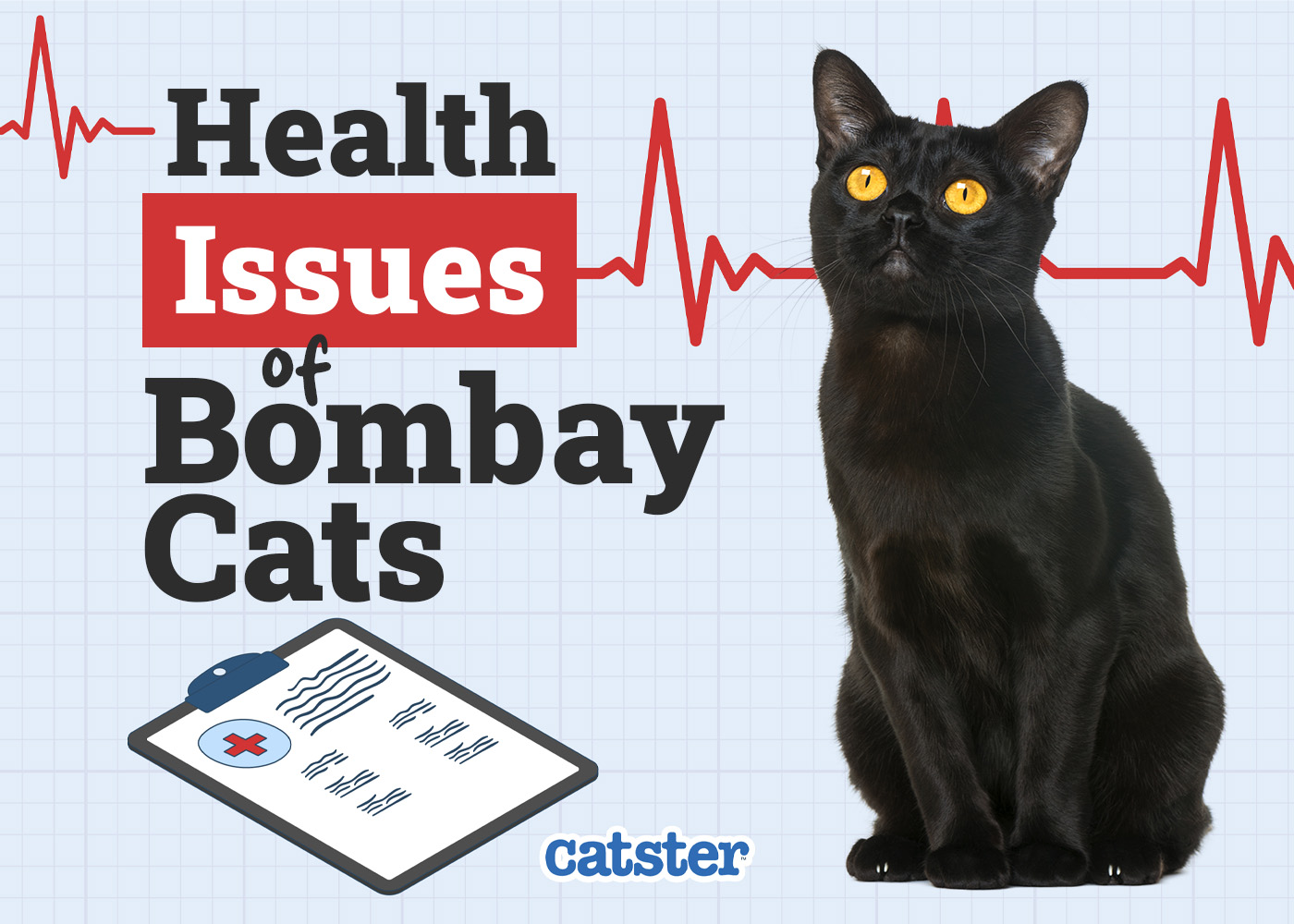
Some Bombay cats may inherit a tendency toward thickened heart muscle, a condition that can reduce pumping efficiency. Early recognition and routine checkups help maintain quality of life.
Signs to watch for:
– Rapid or labored breathing
– Reduced energy
– Picky appetite
– Occasional coughing
Supportive care:
– Vet-prescribed medications to ease the heart’s workload
– Scheduled cardiac evaluations
2. Kidney Health
Cystic changes can occasionally develop in the kidneys, leading to gradual loss of function over time.
Signs to watch for:
– Drinking and urinating more than usual

– Gradual weight loss
– Nausea or vomiting
– Soft stools
Supportive care:
– Tailored nutrition that supports kidney health
– Symptom-relief medications when needed

– Periodic blood and urine checks
Everyday Health Topics
1. Urinary Comfort
Bombay cats can experience bladder irritation or infection, especially if stress, diet, or hydration levels are less than ideal.
Signs to watch for:
– Straining in the litter box
– Pink-tinged urine
– Frequent small puddles
– Crying while urinating
Supportive care:
– Short courses of antibiotics when recommended
– Pain relief as prescribed
– Fresh water stations, clean litter trays, and low-stress surroundings
2. Temperature Regulation
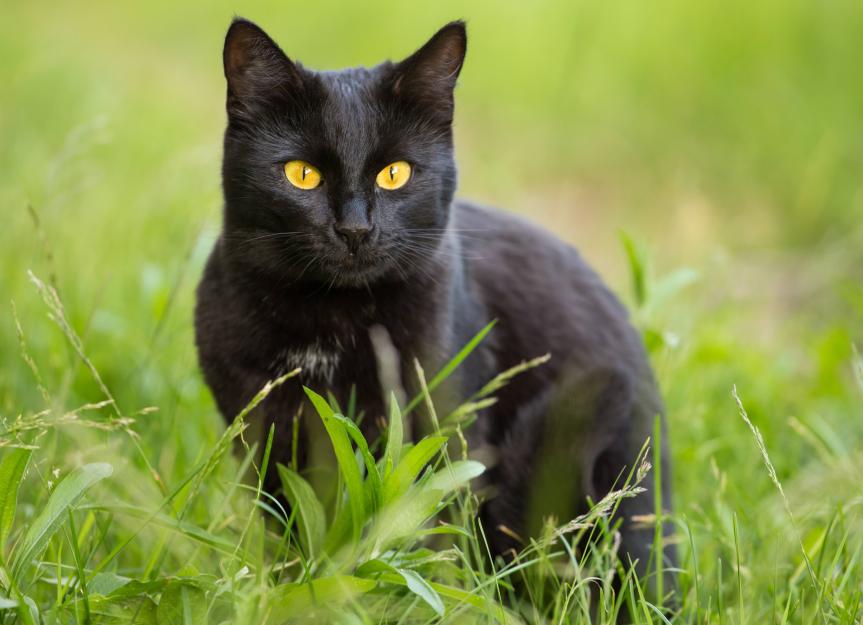
The breed’s short, close-lying coat offers little insulation, making chilly environments a concern.
Prevention tips:
– Provide cozy beds away from drafts
– Supervise outdoor time in cool weather
– Watch for shivering or unusual stillness
Grooming and Nutrition
1. Coat Care
Weekly grooming keeps the sleek coat shiny and offers a chance to spot skin changes or parasites early.
Simple routine:
– Soft brush or grooming glove once a week
– Quick scan for fleas or dry patches
– Monthly nail trim to prevent snagging
2. Balanced Meals
A complete, age-appropriate diet fuels energy and supports organ health.
Feeding pointers:
– Choose reputable commercial foods labeled for your cat’s life stage
– Skip table scraps that may upset digestion
– Keep clean water available at all times
Conclusion
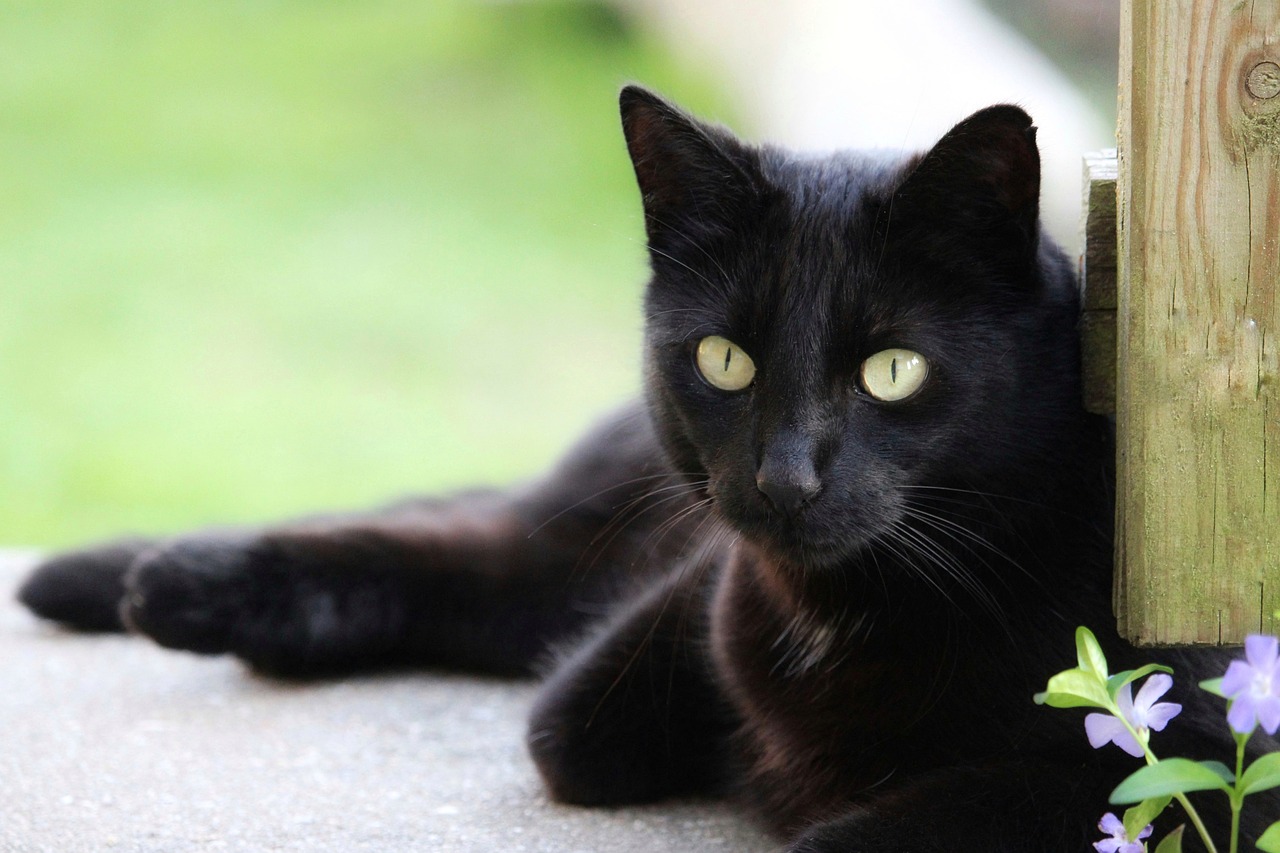
Bombay cats reward their families with loyalty and playful charm. By staying alert to potential heart, kidney, urinary, and thermal sensitivities—and by keeping up with routine grooming, balanced nutrition, and regular veterinary visits—owners can help these elegant companions enjoy long, comfortable lives.
Looking Ahead
Continued efforts that support Bombay cat welfare include:
1. Ongoing study of inherited conditions to refine screening methods.
2. Breeding strategies that place health and temperament first.
3. Owner education on early recognition of subtle changes.
4. Exploration of how diet and grooming routines influence long-term vitality.
Together, these steps help ensure Bombay cats remain healthy, happy members of the family for many years.