The Importance of Animal Rescue and Rehoming
Introduction
Animal rescue and rehoming have grown in importance as more pets are left without stable homes. This article explores why these efforts matter, showing how they improve life for animals and for people. By looking at shelter challenges, welfare gains, and the power of community action, it offers a clear picture of why rescue work deserves support.
The Challenges of Animal Shelters
Shelters give temporary safety to lost or abandoned animals, yet they often operate under tight constraints. Limited funds can restrict access to food, veterinary care, and comfortable housing. High intake numbers add pressure, leading to crowded kennels that raise stress levels and can shorten the window for adoption.
The Benefits of Animal Rescue and Rehoming
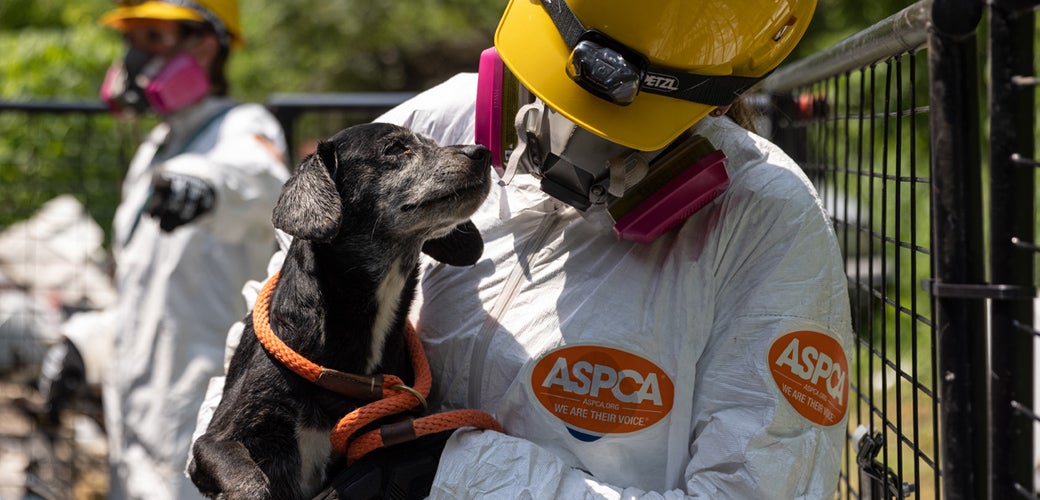
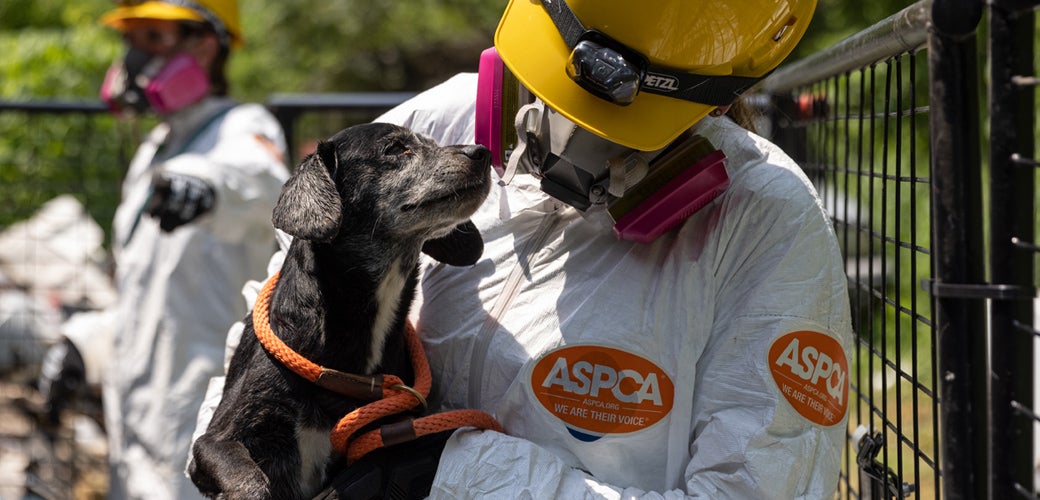
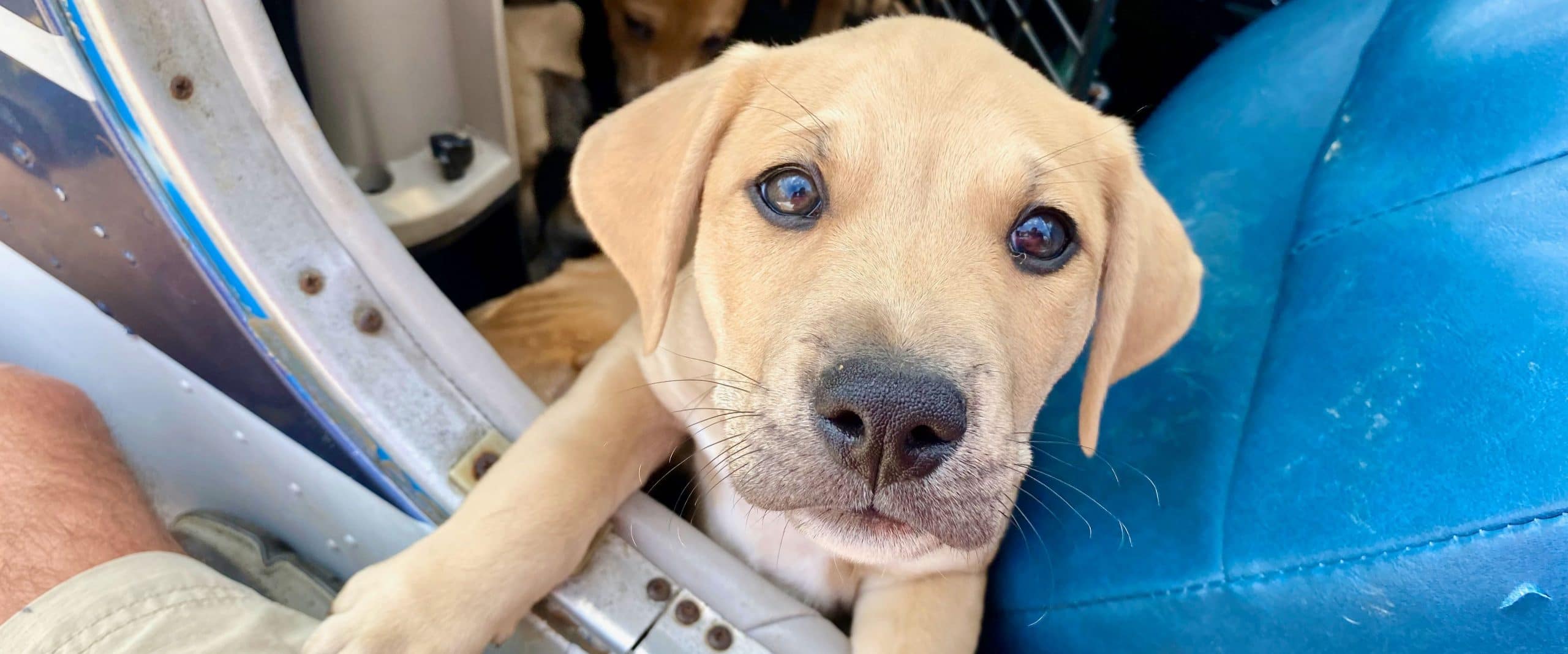
Rescue gives animals another chance at life in a caring home. Each successful adoption frees up space and resources, improving conditions for those still waiting. Beyond the kennel walls, these programs nurture empathy within society and encourage responsible pet ownership, helping to keep future generations of animals off the streets.
The Role of Community Involvement
Everyone can play a part in making rescue efforts succeed:
1. Volunteer: Spend time socializing animals or assisting staff at a local shelter.
2. Donate: Gifts of food, bedding, or medical supplies stretch tight budgets.
3. Foster: Offer a short-term home that prepares shy or injured animals for adoption.
4. Promote Prevention: Support spay and neuter campaigns that slow the cycle of unwanted litters.
The Impact of Animal Rescue and Rehoming on Animal Welfare
Moving from a stressful shelter into a stable home often brings quick improvements in health and behavior. Rescue also challenges the idea that animals are disposable, replacing neglect with a culture of respect and lifelong care.
Conclusion
Rescue and rehoming are key to building a society that values all living beings. By strengthening shelters, encouraging community participation, and putting welfare first, we create safer streets and happier homes for animals and people alike.
Recommendations and Future Research
To keep progress going, consider these steps:
1. Expand Shelter Resources: Steady funding raises care standards and reduces euthanasia.
2. Back Prevention Programs: Widespread spay and neuter services lower intake numbers over time.
3. Teach Compassion: School and media campaigns that highlight responsible ownership inspire future adopters.
Future studies could examine:
1. Long-Term Welfare: Track rehomed animals to confirm lasting physical and emotional health.
2. Overpopulation Solutions: Compare trap-neuter-return, adoption events, and other tactics for lasting impact.
3. Community Benefits: Measure how pet adoption influences social ties, mental health, and neighborhood safety.
By following these directions, we can refine rescue work and extend its positive reach across society.