Where to Find Your Future Dog: A Practical Guide to Kind, Responsible Choices
Introduction
Finding the right dog is less about “buying” and more about welcoming a new family member. The place you choose affects the animal’s health, temperament, and even lifespan. This guide walks you through the main options—adoption, responsible breeders, and the red flags to avoid—so your decision supports humane treatment and lifelong happiness for both of you.
The Heart of Responsible Dog Acquisition
Why Ethics Matter
Choosing a humane source protects dogs from overcrowded kennels and chronic neglect. It also rewards people who invest in daily care, socialization, and veterinary checks, creating a ripple effect that raises welfare standards across the board.
What Responsible Breeders Do
Good breeders focus on health, temperament, and genetic diversity. They screen for hereditary issues, raise puppies indoors amid everyday household noise, and remain a lifelong resource for advice or re-homing if ever needed.

Paths to Your New Companion
Shelters & Rescue Networks
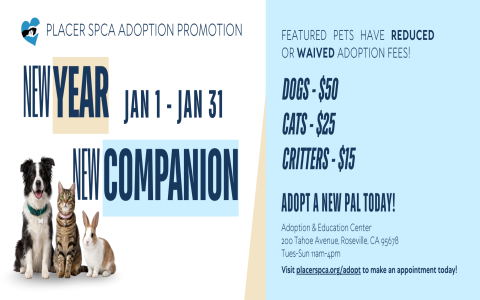
Shelters and foster-based rescues house dogs of every age, size, and personality. Adoption counselors match lifestyles to individual dogs, provide starter medical care, and often include post-adoption support. Every adoption frees space for another dog in need.
Reputable Breeders
If you need predictable traits—say, a low-shed coat for allergies—locate a breeder who welcomes visits, shares health certificates, and asks you as many questions as you ask them. Expect wait lists, written contracts, and a take-back clause if life circumstances change.
Sources to Approach with Caution
High-Volume Kennels
Mass-breeding facilities routinely keep dogs in cramped cages with minimal human contact. Puppies reared this way can arrive with parasites, fear issues, or costly genetic illnesses that surface months later.
Online Classifieds & Casual Sellers
Quick-sale listings often hide poor conditions. Without visiting in person you cannot verify cleanliness, parental health, or early socialization. If a seller offers multiple breeds on demand or ships overnight without meeting you, walk away.

How Laws Help
Rules That Safeguard Dogs
Many regions now cap litter numbers, require inspections, and mandate traceable health records. Supporting these measures—through votes, petitions, or simply choosing compliant sources—pushes substandard operators out of business.
Conclusion
Deciding where your dog comes from shapes an entire life. Whether you adopt from a local shelter or partner with a transparent breeder, insist on high welfare standards. Your care in choosing today prevents suffering tomorrow and sets the stage for years of mutual joy.
Next Steps & Open Questions
Action Checklist
– Tour at least one shelter and interview one breeder before committing.

– Ask for veterinary records and return-to-breeder policies in writing.
– Share positive adoption stories or breeder referrals to inspire friends.
– Back community efforts that fund spay-neuter clinics and kennel inspections.
Topics Worth More Study
– Long-term behavioral outcomes of dogs raised in large-scale kennels versus family homes.
– Impact of recent breeding regulations on kennel closure and adoption rates.
– Innovative foster programs that move shelter dogs into temporary homes faster, reducing stress and improving adoption success.

Ultimately, the best answer to “Where should I get my dog?” is wherever health, transparency, and lifelong support come standard. Choose wisely, and you gain a grateful companion while helping every dog still waiting for a home.