


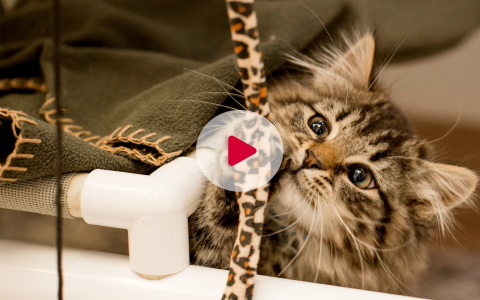
Adopting a Cat: A Complete Guide to a Lifelong Friendship
Introduction
Bringing a cat into your life is a meaningful step that can fill your days with warmth and companionship. Cats are more than pets; they become quiet confidants and cherished members of the household. This guide walks you through the essentials of cat adoption—from the rewards you can expect to the daily commitments you’ll undertake—so you can decide with confidence whether feline companionship is right for you.
The Benefits of Adopting a Cat
Emotional Support
Cats have a gentle way of tuning in to human feelings. A calm purr on a stressful evening or a soft head-bump after a long day can ease tension and lift spirits. Many owners find that sharing life with a cat reduces feelings of loneliness and creates a soothing daily rhythm.

Health Benefits
Interactive play sessions keep both cat and owner moving, encouraging light exercise that supports heart health and joint mobility. The simple act of stroking a cat’s fur can slow breathing and promote relaxation, which may help lower blood pressure after hectic moments.
Financial Benefits
Adoption through shelters or rescue groups usually bundles important first-year services—spay/neuter, initial vaccines, and parasite prevention—into one affordable fee. Choosing adoption over purchase also leaves more room in the budget for quality food, toys, and future veterinary care.
Finding the Perfect Cat
Researching Breeds

While every cat is an individual, certain breed traits can offer clues about energy level, coat care, and vocality. Spend time reading about common breeds, then visit local shelters to meet mixed-breed cats as well; many combine the best qualities of several lineages and are eagerly waiting for homes.
Visiting Shelters and Rescue Organizations
Shelters house cats of every age and personality. Sit quietly with candidates, offer a gentle finger for sniffing, and watch how each cat reacts. Look for relaxed body language, curious approaches, and a willingness to interact—signs that often translate into an easier transition to home life.
Consideration of Age and Health
Kittens delight with playful antics but need patience and consistent guidance. Adult and senior cats frequently arrive litter-trained and may settle in more quickly. Ask staff about known medical history, daily medications, or special diets so you can gauge the level of care you are ready to provide.
Responsibilities of Cat Ownership

Providing a Safe and Comfortable Environment
Create a welcoming base camp: a cozy bed in a low-traffic corner, sturdy scratching posts, clean litter boxes placed away from feeding areas, and fresh water refreshed daily. Remove hazards such as dangling blind cords, toxic houseplants, and small swallowable objects.
Regular Veterinary Care
Schedule an initial check-up within the first month, then follow your vet’s recommended vaccine and wellness schedule. Routine dental cleanings, weight checks, and parasite prevention keep problems small and manageable.
Training and Socialization
Use positive reinforcement—treats, praise, or play—to reward litter-box use and appropriate scratching. Introduce new people, sounds, and experiences gradually, allowing your cat to retreat if overwhelmed. Consistency builds trust and confidence.

Conclusion
Opening your home to a cat is a long-term promise of care, patience, and affection. When you choose adoption, you gain a grateful companion and free shelter space for another animal in need. With preparation and realistic expectations, the bond you form can enrich both lives for many years.
Recommendations and Future Research
Shelters can strengthen adoption success by offering post-adoption hotlines, online behavior tip sheets, and affordable training classes. Continued studies on human-animal interaction will deepen understanding of how cats enhance daily well-being and guide best practices for first-time owners.


