
Best Friend Dog Grooming: The Art and Science of Pet Care
Introduction
The connection between people and their dogs is timeless, built on loyalty, affection, and daily companionship. Caring for a canine partner means looking after both body and mind, yet grooming is still the most underestimated part of that routine. This overview explains why regular grooming matters, how it helps every member of the household, and which simple habits keep coats, skin, and spirits in top shape.
The Importance of Best Friend Dog Grooming
Health Benefits
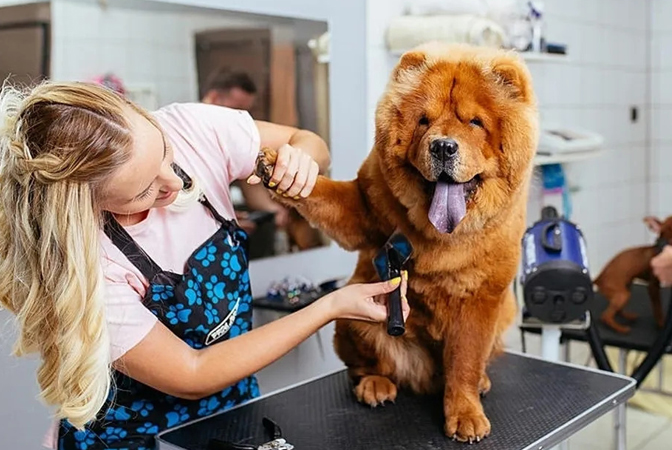
A consistent grooming schedule gives owners a chance to spot lumps, bumps, fleas, or skin flaking before small issues turn into vet visits. Removing dead hair and dirt lowers the risk of hot spots and matting, while a quick peek inside the ears or at the gum line can reveal early signs of infection or dental trouble.
Emotional Benefits
Brush strokes and gentle handling release calming hormones in both dog and human, turning a chore into shared downtime. Over time, these quiet sessions build trust, making everyday handling—like vet exams or nail trims—far less stressful.
Social Benefits
A clean, fresh-smelling dog is simply more welcome everywhere, from neighborhood walks to pet-friendly cafés. Good coat condition signals responsible ownership, encouraging positive interactions with other dogs and people.
Best Practices for Best Friend Dog Grooming
Regular Brushing
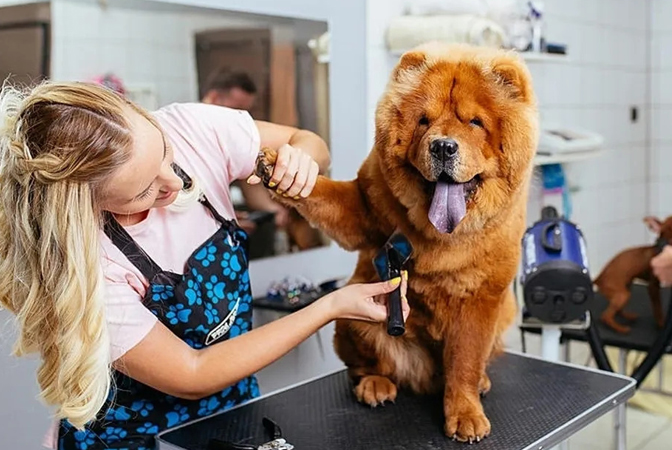
Choose a brush that matches the coat length and texture, then work in sections from skin to tip. Weekly sessions prevent tangles, circulate natural oils, and cut down on household shedding.
Bathing
Use lukewarm water and a mild canine shampoo, lather twice, and rinse until the water runs clear. Most pets only need a full bath every four to eight weeks unless they’ve rolled in something memorable.
Nail Trimming
Clip or grind the tips every month or so, taking tiny slices to avoid the quick. If you hear nails clicking on hardwood, the calendar is telling you it’s time.
Ear Cleaning

Wipe the visible outer canal with a soft cloth dampened in ear cleaner approved for dogs. Stop at the point where the ear canal narrows; never insert cotton buds deep inside.
Dental Care
Introduce a dog-safe toothpaste slowly, using a finger brush or gauze at first. Daily brushing remains the gold standard, but dental chews and textured toys help between sessions.
The Role of Professional Groomers
Home care covers the basics, yet breed-specific trims, undercoat removal, and anxious-pet handling often call for trained hands. A skilled groomer can also demonstrate techniques and recommend tools tailored to individual coats and lifestyles.
Conclusion
Grooming is much more than vanity; it is preventive healthcare, stress relief, and relationship glue in one package. By setting aside short, regular moments for brushing, bathing, and checking ears, teeth, and nails, owners keep their four-legged friends comfortable, confident, and ready for any adventure.
Future Research
Continued study into coat biology, low-stress handling methods, and eco-friendly products will refine grooming standards. Investigations that track the link between grooming frequency and overall behavior could also deepen our understanding of the human-canine bond.