Animals as Best Friends: The Quiet Connection
Introduction
For generations, people have been fascinated by the ties that bind humans and animals. While much is said about the practical roles animals play, the idea of an animal serving as a best friend is often overlooked. This piece explores how creatures great and small become trusted confidants, offering emotional, mental, and social rewards that enrich everyday life.
Emotional Rewards of Living with Animals
Sharing life with a pet can lift mood and calm the mind. Many owners report feeling less tension, worry, and sadness after spending time with their companions. A quiet head resting on a knee or a soft purr in the evening can provide steady reassurance when the world feels overwhelming.
Unwavering Affection
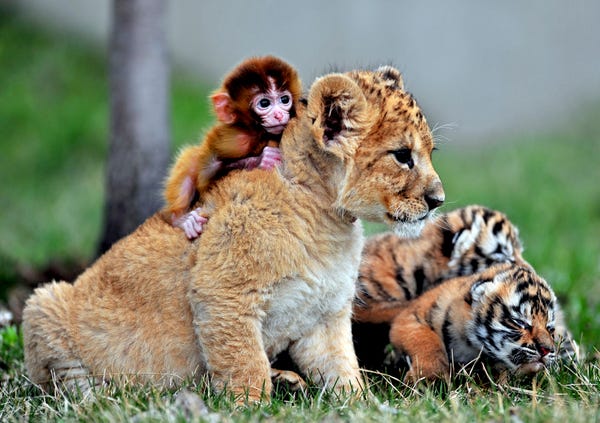
One of the greatest gifts animals give is steady, judgment-free love. They do not keep score or hold grudges; they simply stay close. That constant presence can be a lifeline for anyone who finds human relationships complicated or painful.
Mental Health Perks of Animal Friendship
Beyond warmth and comfort, animals can sharpen the mind and protect emotional balance in subtle yet powerful ways.
Keeping the Brain Active
Training, playing, or even watching fish swim can stimulate thought and memory. Children who grow up alongside pets often practice empathy, negotiation, and creative problem-solving without realizing it.
Easing Emotional Strain
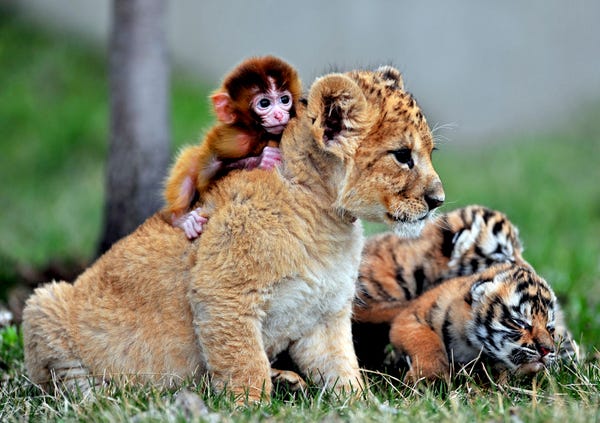
Simple routines such as walking a dog or brushing a cat can interrupt cycles of negative thinking. The gentle rhythm of shared care provides structure and purpose, two ingredients that help steady turbulent moods.
Social Advantages of Animal Companionship
A furry friend at the end of the leash or a chirping bird by the window can open doors to human connection as well.
Starting Conversations
Questions about breed, age, or quirky habits flow naturally, turning strangers into acquaintances and acquaintances into friends. Shared admiration for an animal creates neutral ground where people meet as equals.
Building Community
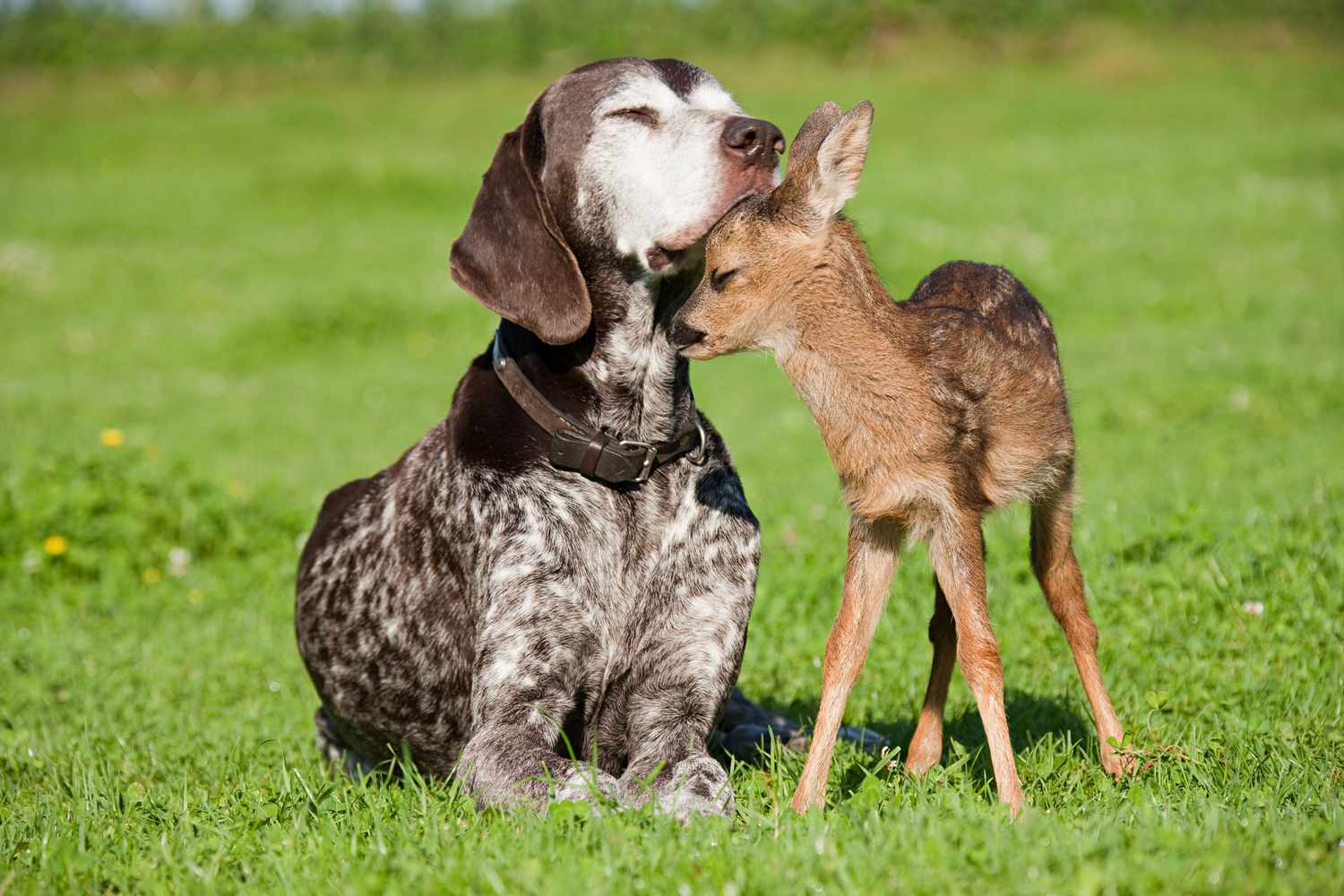
Parks, cafés, and shelters that welcome animals become informal gathering spots. Regular visitors begin to recognize one another, swap stories, and offer support, weaving a gentle web of neighborhood camaraderie.
A Quiet Bond in Action
Consider a young woman who had withdrawn from social life after a series of setbacks. Weeks after adopting a lively mixed-breed dog, she found herself chatting with other walkers each morning. The dog’s enthusiasm drew smiles, and those small exchanges gradually rebuilt her confidence. Their daily outings turned solitude into connection, illustrating how an animal can quietly guide a person back to the world.
Conclusion
Animals earn the title of best friend not through words, but through steady presence, boundless curiosity, and open hearts. They soften loneliness, nudge us toward others, and remind us that care can be simple and sincere. Recognizing and nurturing this bond benefits both species, creating ripples of kindness that reach far beyond a single wag or purr.
Looking Ahead
More can be learned about this special friendship by exploring several open questions:
1. How years of shared life shape long-term emotional resilience.
2. Ways animal-friendly spaces can strengthen neighborhood ties.
3. Methods for tailoring companionship to support people facing physical or cognitive challenges.
Continued curiosity will help communities protect and celebrate the quiet, powerful link between people and the animals who stand beside them.