Title: Canine Cesarean Section: A Practical Overview for Pet Owners
Introduction
Cesarean delivery is a surgical method in which offspring are removed through an incision in the mother’s abdomen and uterus. Although widely recognized in human medicine, the technique is also routine in veterinary practice when a dog cannot give birth naturally. This overview explains when the surgery is advised, what it involves, and how to prepare for it.
What is a Canine Cesarean Section?
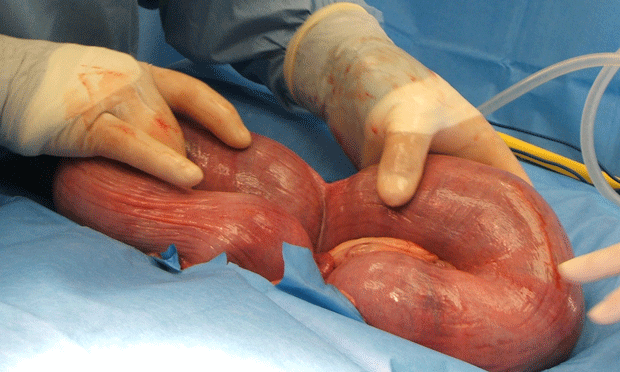
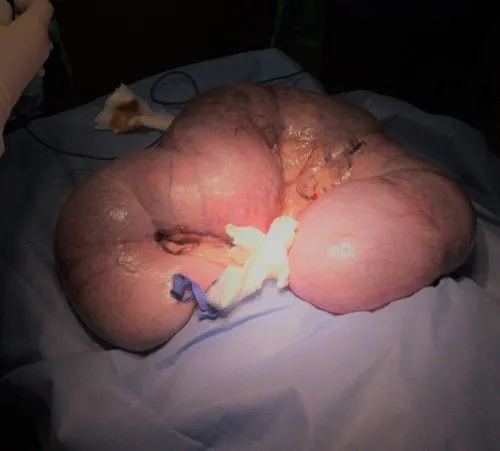
A canine cesarean section is an operation performed on a pregnant dog to safely extract puppies that cannot be delivered vaginally. Common triggers include labor that fails to progress, oversized pups, or awkward positioning. The veterinarian opens the abdomen and uterus, removes the litter, and then closes the surgical site.
When is a Cesarean Section Needed?
Several circumstances may prompt the procedure:
1. Dystocia: Puppies are too large, the birth canal is too narrow, or the pups are presented in an abnormal posture.
2. Large litters: A high puppy count can exhaust the mother, making surgery the safer option.
3. Maternal illness: Infections, tumors, or other health issues can rule out natural whelping.
4. Fetal distress: Signs that pups are short of oxygen or otherwise compromised may require immediate surgical intervention.
Benefits of the Surgery
Although any operation carries risk, a planned cesarean can:
1. Protect the dam: It prevents life-threatening obstruction or uterine rupture.
2. Safeguard the litter: All puppies can be removed quickly, reducing stillbirth risk.
3. Allow scheduling: When risks are known in advance, the procedure can be timed for optimal safety.
Potential Risks and Complications
Owners should be aware of possible downsides:
1. Infection: The uterine or skin incision can become contaminated.
2. Bleeding: Heavy hemorrhage is uncommon but possible.
3. Anesthetic reactions: Some dogs may respond poorly to general anesthesia.
4. Delayed recovery: Milk production or incision healing may be slower than after a natural birth.
Selecting a Veterinary Clinic
When comparing practices, weigh these points:
1. Surgical experience: Ask how often the team performs canine cesareans.
2. Emergency readiness: Round-the-clock staffing and on-site monitoring equipment are essential.
3. Facility standards: Look for clean surgical suites, warming devices for newborns, and neonatal resuscitation supplies.
4. Transparent fees: Request an itemized estimate up front, but let competence, not price alone, guide the final choice.
What Happens on Surgery Day
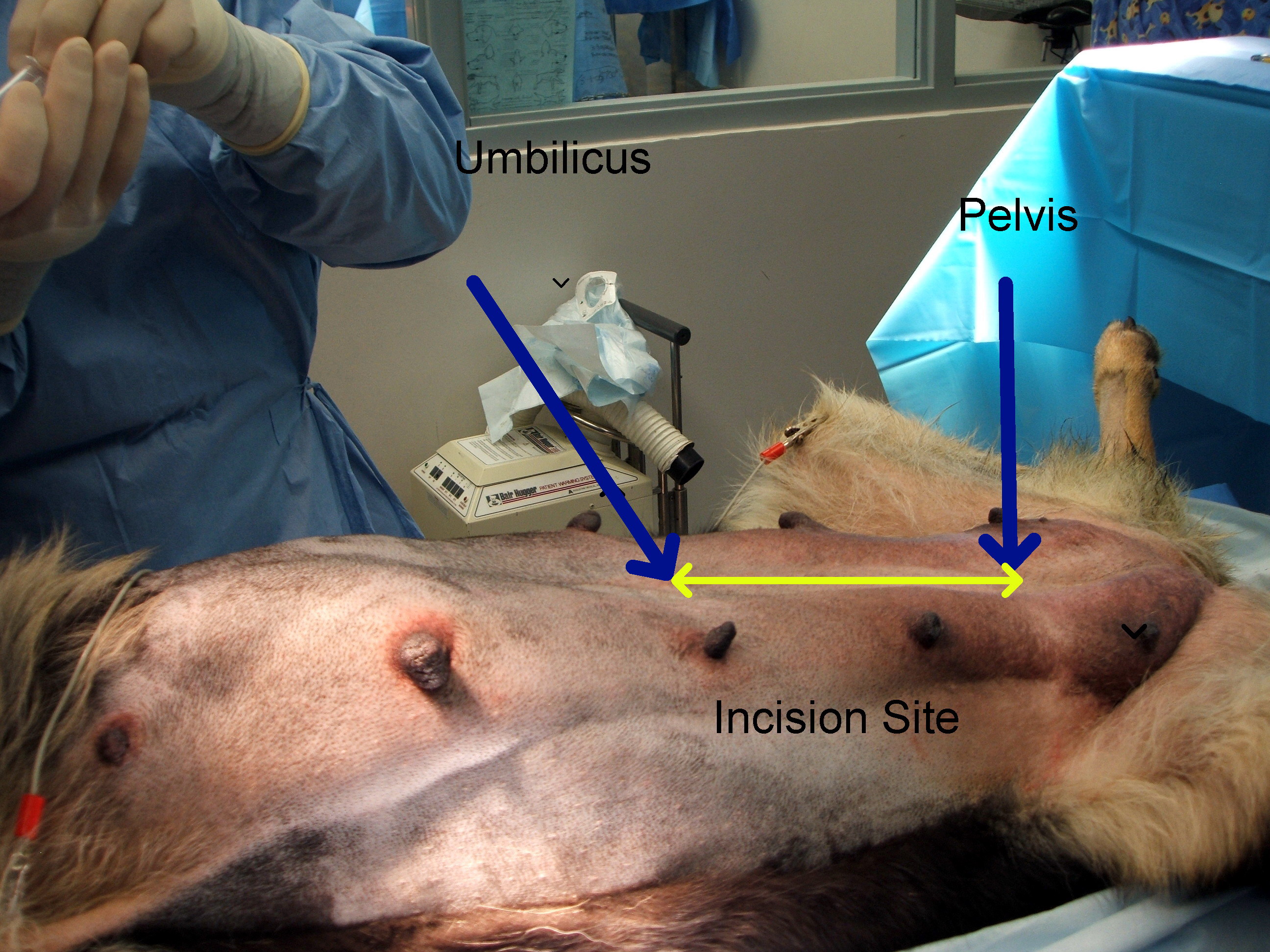
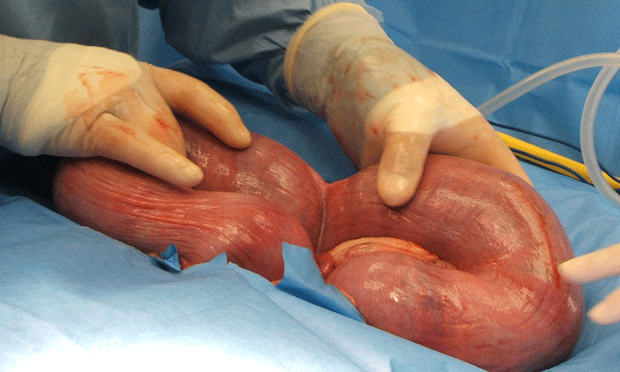
After pre-anesthetic bloodwork, the dog receives general anesthesia. The surgeon makes a midline abdominal incision, opens the uterus, and removes each puppy along with its membranes. After the uterus and abdomen are sutured, the patient wakes in a warmed kennel while staff check the pups’ breathing, temperature, and suckling reflex.
Home Care After the Operation
Good nursing speeds healing:
1. Pain relief: Give prescribed analgesics on schedule.
2. Quiet environment: Provide a clean whelping box away from household traffic.
3. Nutrition: Offer small, energy-dense meals once the dog is fully awake; fresh water must always be available.
4. Follow-up visits: Return for incision checks and, if needed, staple or suture removal.
Conclusion
A cesarean section can be life-saving for both mother and pups when natural whelping is impossible. By selecting an experienced veterinary team and adhering to after-care instructions, owners maximize the chances of a smooth recovery and a healthy litter.
Looking Ahead
Ongoing studies focus on refining anesthetic protocols, improving pain control, and identifying genetic or nutritional factors that predispose dogs to dystocia. Educating breeders about optimal prenatal care and timely veterinary checks may further reduce the need for surgical deliveries.