The Impact of Local Pet Store Adoption Events: A Comprehensive Overview
Introduction
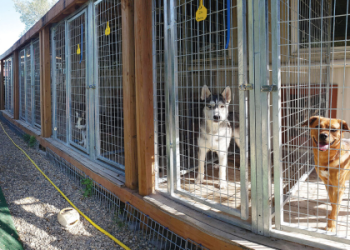
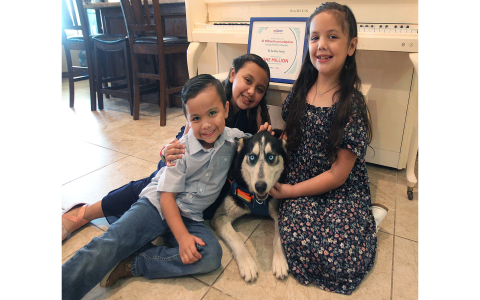
Adopting a companion animal has become increasingly popular as more households look for responsible ways to welcome pets into their lives. Many pet-supply retailers now partner with shelters to host in-store adoption days, bringing animals and prospective families together under one roof. This article explores how these neighborhood events influence animal welfare, community spirit, and the day-to-day realities of adoption.
The Significance of Nearby Adoption Events
1. Accessibility and Convenience
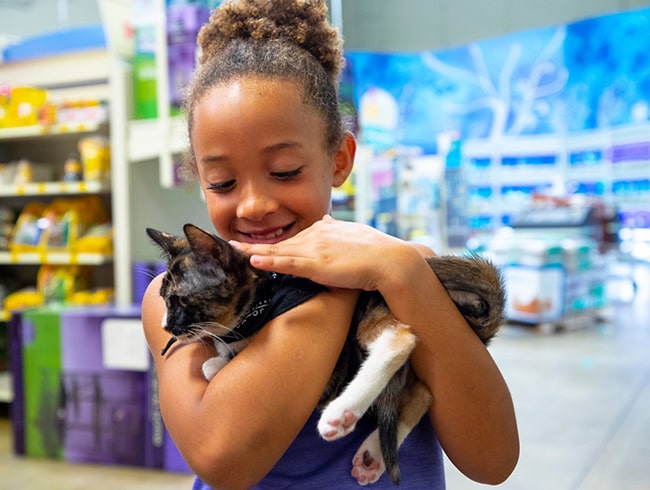
Hosting adoption drives in familiar retail settings lowers the barrier to meeting adoptable animals. Shoppers who stop in for food or toys can spend time with pets in need, removing the extra trip to a distant shelter. The casual setting encourages spontaneous conversations with volunteers, turning a routine errand into a life-changing introduction.
2. Comprehensive Support Services
Beyond matching pets with people, these events often bundle practical help: on-site vets perform basic checks, groomers offer free trims, and trainers give mini-lessons on polite leash walking. New adopters leave with starter kits, feeding guides, and a clear 24-hour helpline, reducing the anxiety that sometimes accompanies the first nights at home.
The Benefits of Local Adoption Events
3. Improved Animal Welfare
Every animal transferred to a new home frees up shelter space, easing overcrowding and lowering stress-related illnesses. In-store visibility also shortens average length of stay, so animals spend less time confined and more time practicing social skills that prepare them for family life.
4. Community Engagement
Weekend meet-and-greets turn parking lots into miniature festivals: face-painting for children, agility demos for dogs, and Q&A booths staffed by veterinarians. These light-hearted gatherings normalize adoption conversations, inspire volunteer sign-ups, and remind neighbors that healthy communities include well-cared-for animals.
Challenges and Considerations
5. The Importance of Pre-Adoption Screening
Convenience must never outweigh compatibility. Brief questionnaires, follow-up calls, and take-home handouts about exercise needs help ensure a pet’s size, energy, and grooming requirements match the adopter’s lifestyle. A thoughtful conversation today prevents heart-breaking returns tomorrow.
6. The Role of Education
Even well-meaning adopters can underestimate costs, training time, or the 15-year commitment a puppy represents. Free workshops on house-training, enrichment toys, and reading body language give families realistic expectations and build confidence before problems arise.
Conclusion
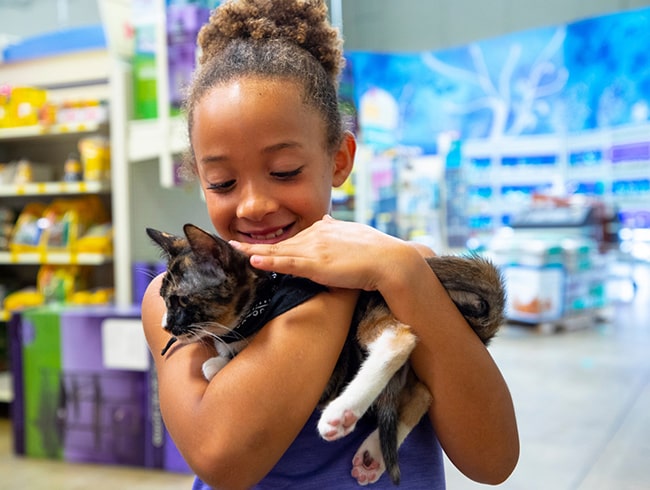
Neighborhood adoption events weave together convenience, education, and community pride, creating a ripple effect that benefits animals and people alike. By continuing to refine screening and support, retailers and shelters can turn every Saturday pop-up into a lasting success story.
The steady turnout at these gatherings shows that when adoption is made visible and straightforward, more citizens choose it. Sustained collaboration among stores, rescues, and volunteers promises an even brighter future for homeless pets.
Recommendations and Future Research
To keep momentum growing, organizers might consider:
1. Adding short post-adoption check-ins at two weeks, three months, and one year to offer guidance and measure satisfaction.
2. Expanding evening or weekday hours so families who work traditional schedules can attend without rush.
3. Partnering with local businesses—coffee shops, bookstores—to co-host micro-events that spotlight harder-to-place animals such as seniors or special-needs pets.
Long-term studies tracking health, retention, and community attitudes will refine best practices and demonstrate how small local efforts contribute to the larger goal of a nation where every adoptable animal finds a suitable, loving home.