


The Role and Impact of Local Animal Control Services
Introduction
Local animal control services serve as a vital public resource, safeguarding the well-being of animals and residents alike. This article examines the core duties, ongoing obstacles, and positive influence of these agencies, highlighting why consistent community support is essential.
Functions of Local Animal Control
1. Animal Welfare
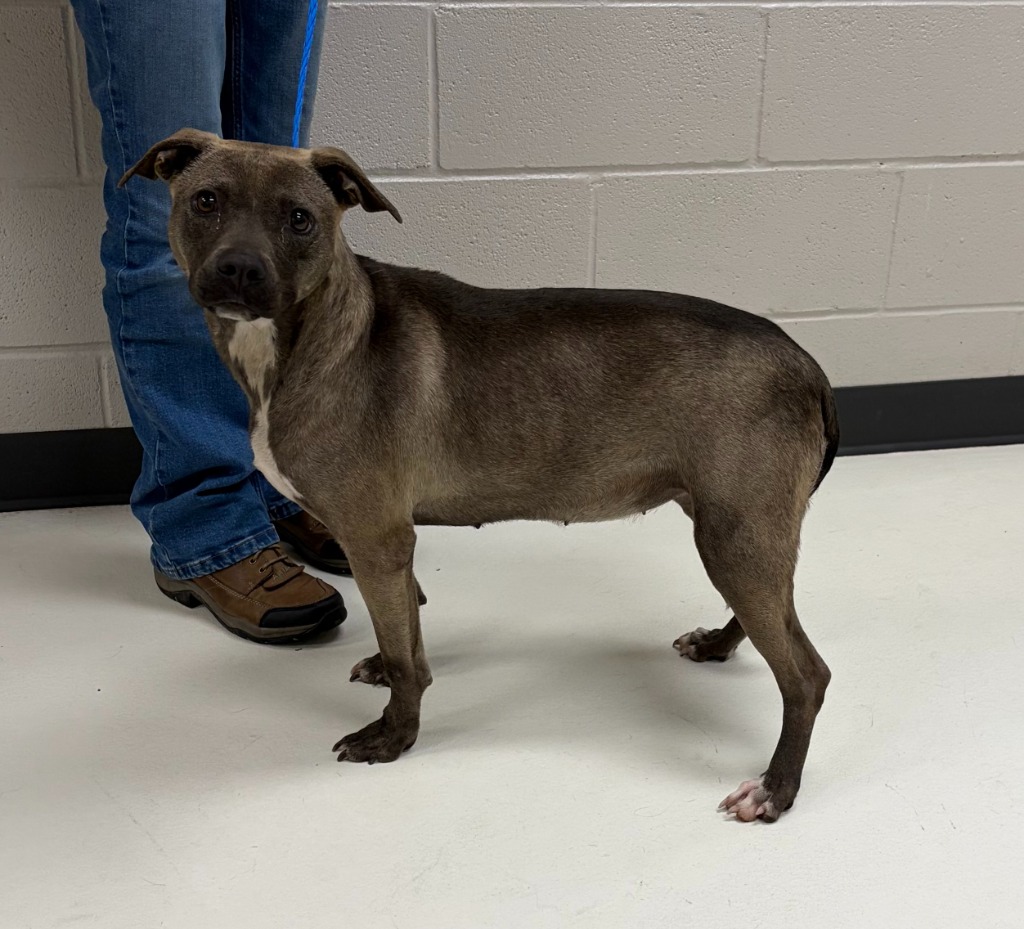
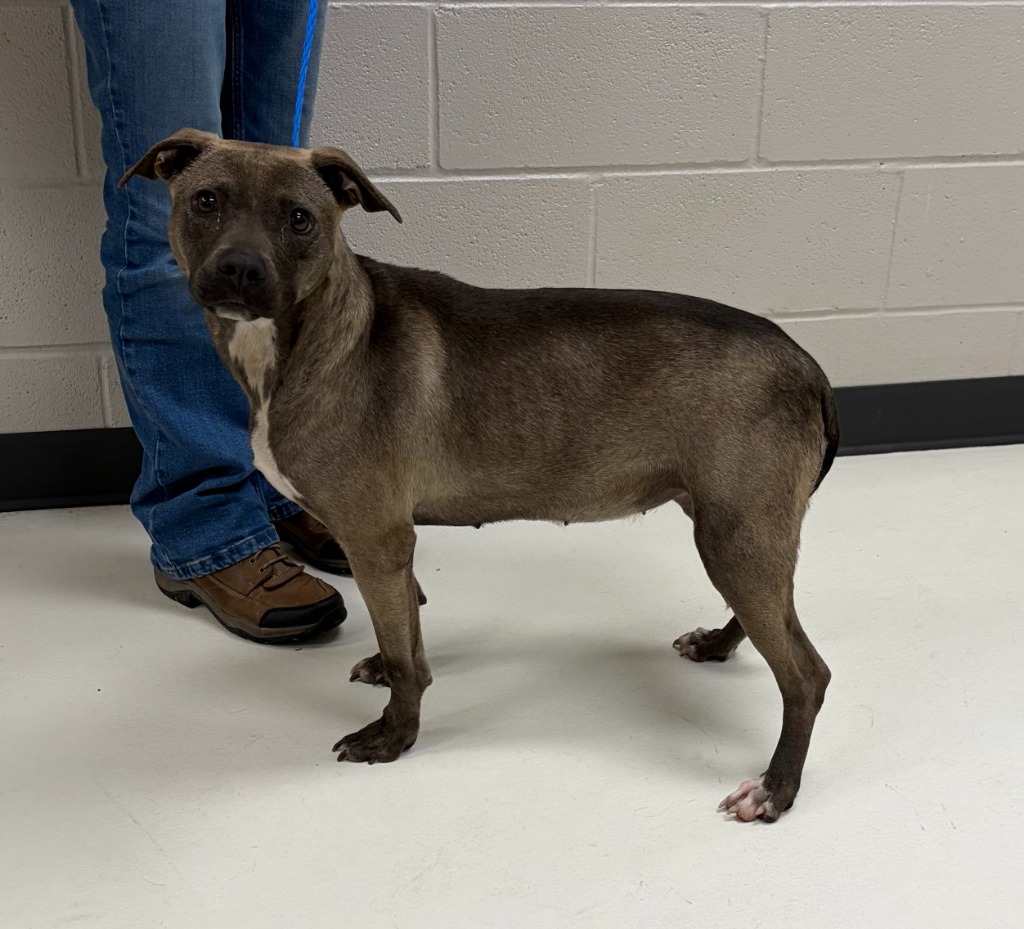
Teams provide temporary shelter, balanced nutrition, and basic veterinary care for lost, surrendered, or injured animals, creating a safe environment while longer-term solutions are arranged.

2. Enforcement of Animal Laws
Officers respond to bite reports, neglect complaints, and licensing infractions, working within municipal and state guidelines to promote responsible ownership and minimize risks to both people and pets.
3. Lost and Found Services
By logging found animals and checking for identification, staff streamline the reunion process, easing stress for families and reducing the number of animals held in facilities.
4. Animal Adoption Programs
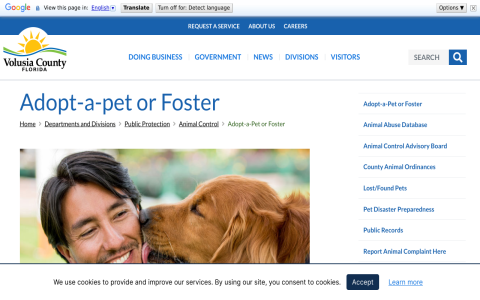
Adoption events and online profiles give homeless pets visibility, helping them move into permanent homes and easing pressure on kennel space.
Challenges Faced by Local Animal Control
1. Overpopulation
High intake volumes strain kennels and budgets, making it difficult to maintain optimal care standards for every animal.
2. Animal Cruelty
Limited evidence, witness reluctance, and legal complexities can slow cruelty investigations, underscoring the need for stronger prevention efforts.
3. Funding Constraints

Reliance on municipal allocations leaves programs vulnerable to budget cuts, often forcing difficult choices between staffing, medical supplies, and community outreach.
Impact of Local Animal Control
1. Improved Animal Welfare
Timely rescue and treatment reduce suffering and give animals a realistic path toward recovery and adoption.
2. Enhanced Public Safety
Prompt responses to stray or aggressive animals lower the incidence of bites and disease transmission, fostering safer neighborhoods.
3. Strengthened Community Bonds
Volunteer opportunities, school presentations, and adoption success stories encourage empathy and shared responsibility, knitting residents closer together.
Conclusion
Local animal control remains indispensable for protecting animals, supporting owners, and maintaining public health. Continued community engagement and stable resources will determine how effectively these services can meet rising demands.
Recommendations and Future Research
To strengthen outcomes, communities can:
1. Advocate for consistent funding that keeps pace with population growth and service needs.
2. Launch educational campaigns on spay/neuter benefits, proper containment, and bite prevention.
3. Build partnerships with veterinarians, rescue groups, and volunteers to expand adoption and foster networks.
Future studies might explore:
1. Comparative data on sterilization programs and their effect on intake rates.
2. Technology-based tools that speed up owner identification for lost pets.
3. Cost-effective models used by similar-sized cities to deliver high-quality care on tight budgets.


