Best Puppy Small Breed Food: A Comprehensive Guide
Introduction
Finding the ideal diet for a small-breed puppy sets the foundation for lifelong health. Tiny dogs mature faster, burn energy quicker, and face unique growth challenges. This guide walks you through what to look for, why it matters, and how to pick a formula that keeps little tails wagging.
Understanding Small Breed Dogs’ Nutritional Needs
Compact puppies need calorie-dense meals that deliver big nutrition in small bites. Key points to remember:
Energy Density
Fast metabolisms mean frequent meals packed with quality protein and healthy fat to keep blood sugar steady and support playful bursts of activity.
Protein Quality
Growing muscles need complete amino acids. Named animal proteins—think chicken, salmon, or lamb—should head the ingredient list.
Mineral Balance
Calcium and phosphorus must stay within a safe ratio to protect developing bones without encouraging overly rapid growth.
Skin & Coat Support
Omega-3 and omega-6 fatty acids help maintain a soft coat, reduce itchiness, and support brain and eye development.
Best Puppy Small Breed Food Options
Wet Food
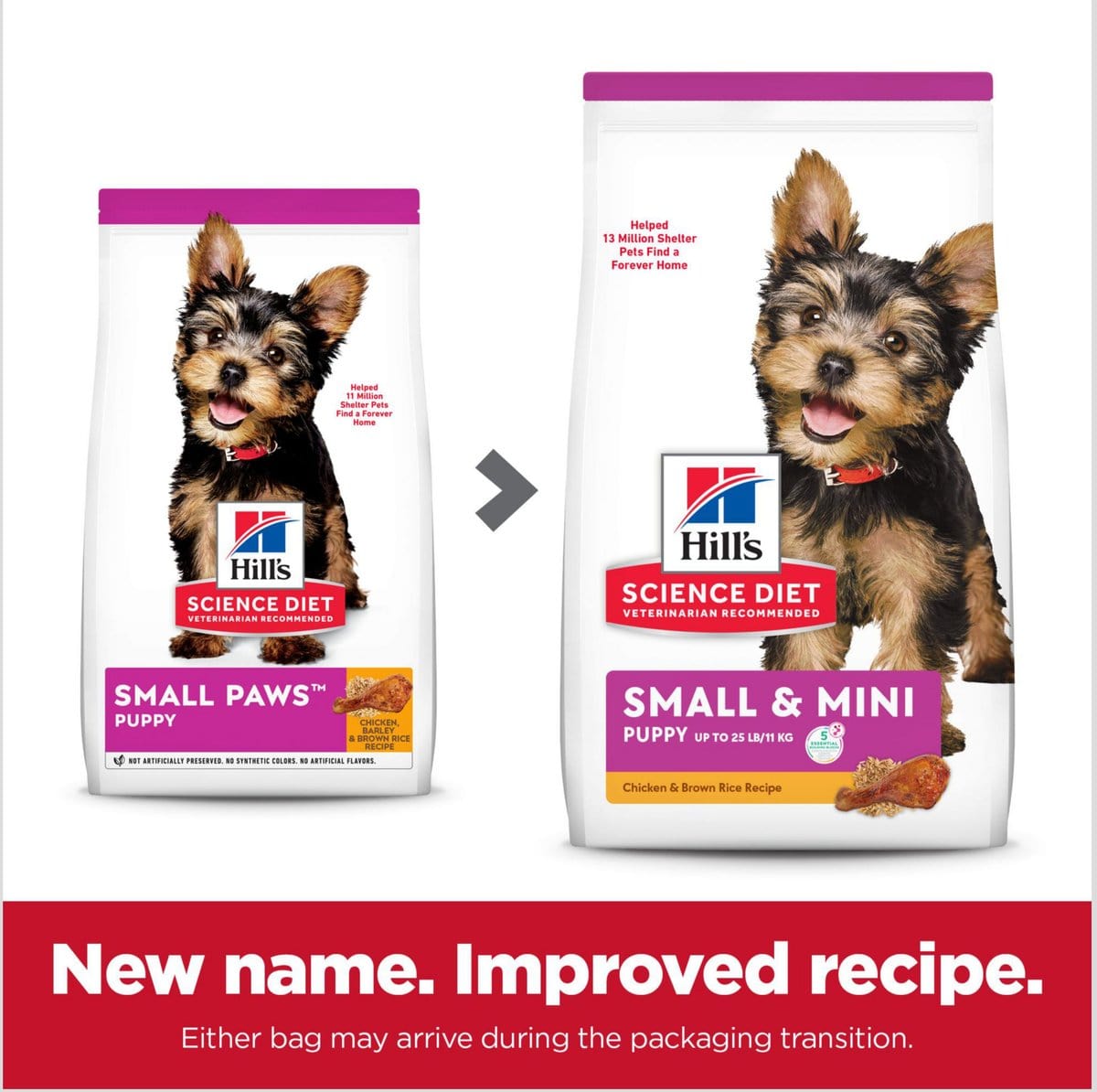
Soft textures and added moisture suit tiny mouths and help prevent dehydration. Look for trays or cans labeled complete and balanced for growth.
– Grain-inclusive or grain-free stews with real meat as the first ingredient provide palatability and hydration in one scoop.
– Formulas fortified with DHA and antioxidants give an extra developmental boost.
Dry Food
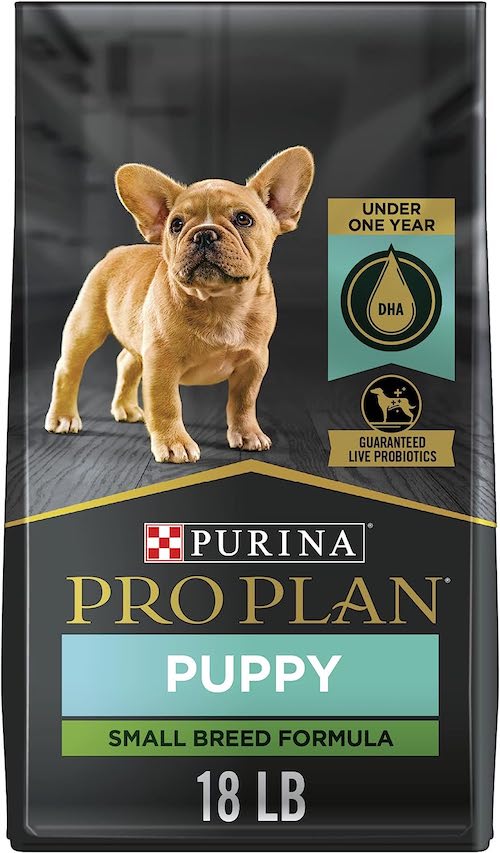
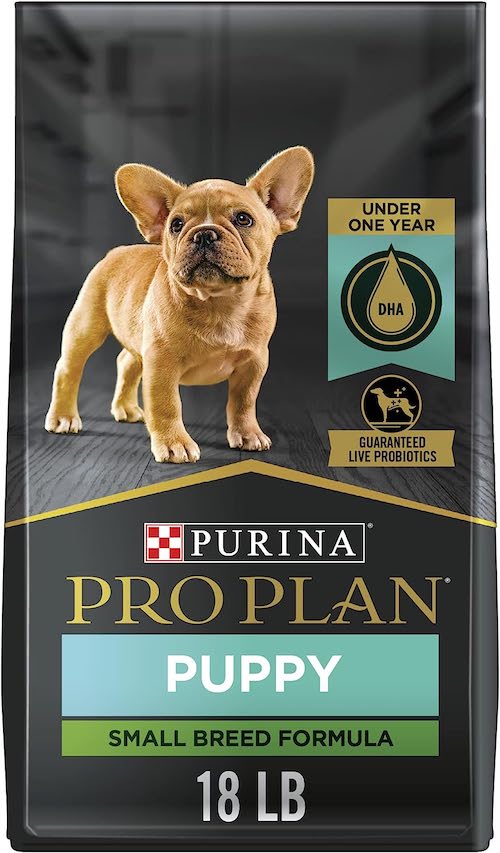
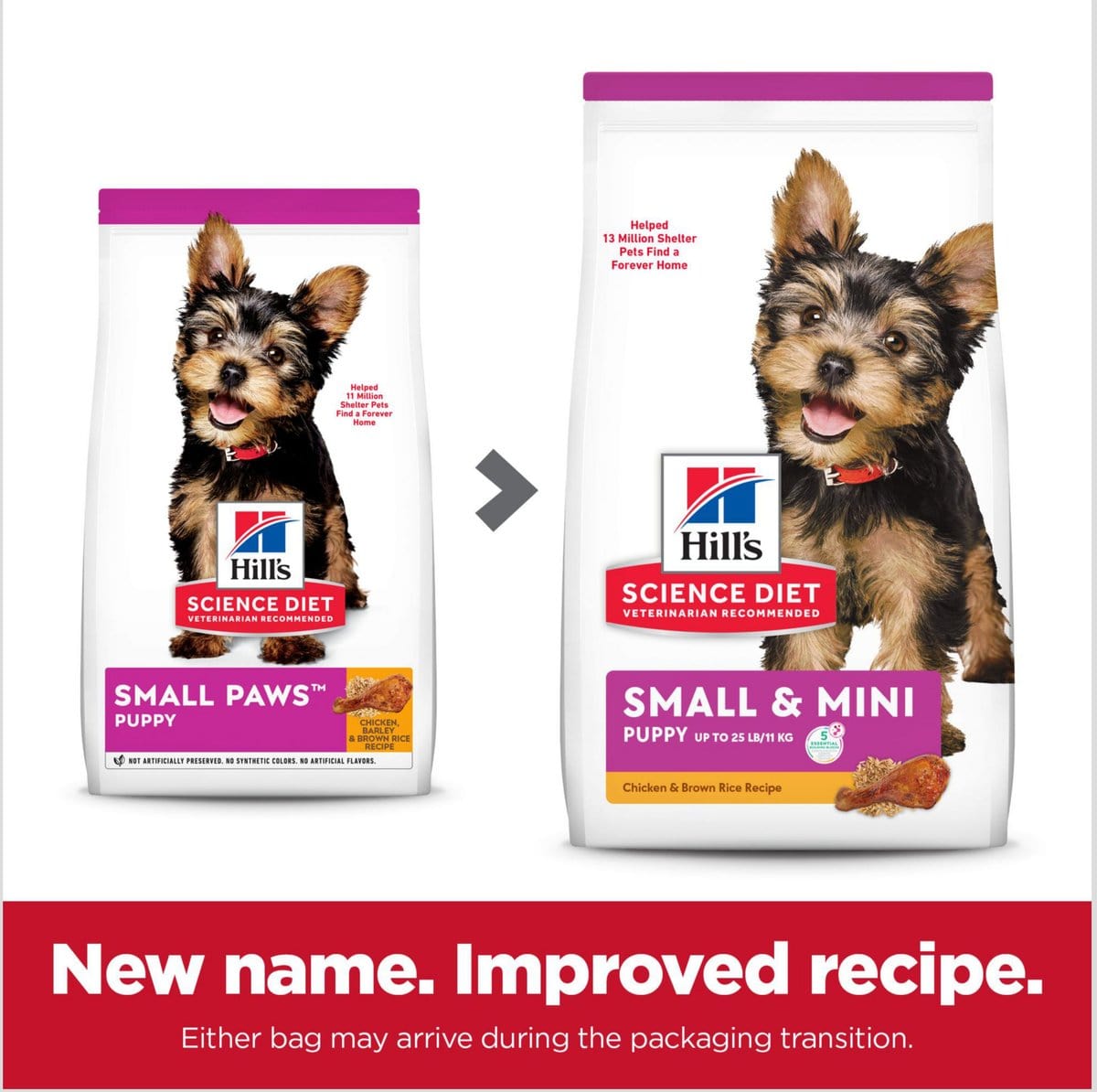
Crunchy kibble is convenient, cost-effective, and may aid dental health. Choose small, triangle-shaped pieces designed for miniature jaws.
– Recipes featuring probiotics support sensitive tummies, while balanced calcium levels promote steady bone growth.
– Options rich in poultry or fish meal offer concentrated protein without excessive calories.
Raw & Fresh Alternatives
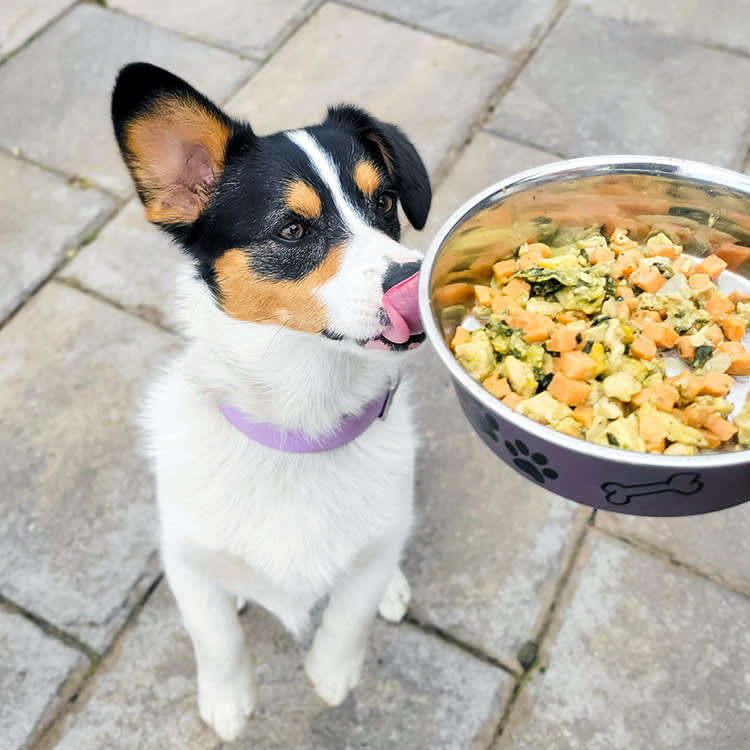
Freeze-dried or gently cooked diets preserve nutrients and entice picky eaters. If you go this route, verify the label meets AAFCO growth standards and consult your vet to ensure safety and balance.
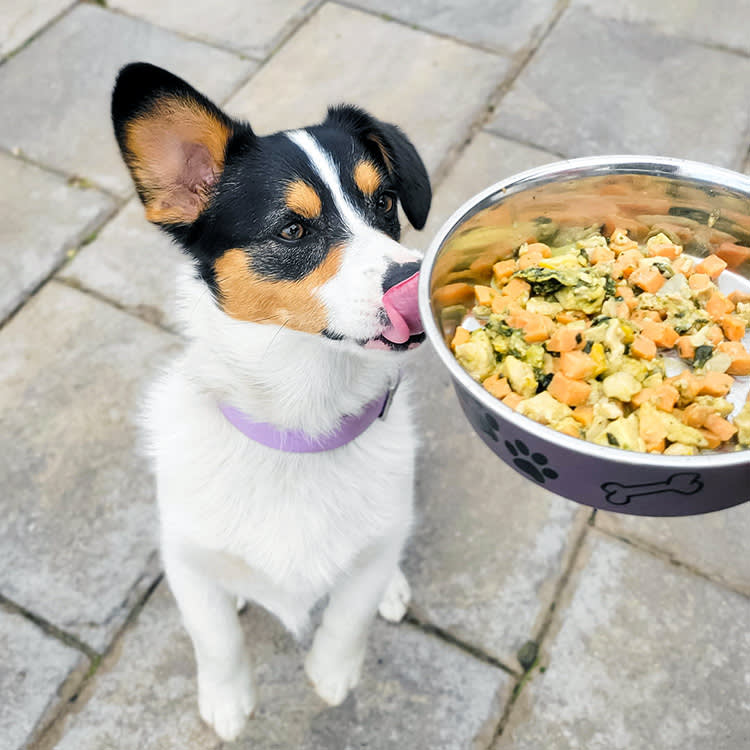
– Look for single-source proteins paired with organic produce for easy digestion.
– Avoid DIY raw unless you follow a board-certified nutritionist’s recipe—small pups have little margin for error.
How to Choose the Best Puppy Small Breed Food
Keep these pointers in mind at the pet store:
Health Considerations
Watch for signs of food sensitivity—loose stools, itchy skin, or low energy—and select limited-ingredient or novel-protein diets if needed.
Activity Level
A spitfire pup who races up stairs needs more calories per cup than a couch cuddle-bug. Adjust portions rather than switching brands unnecessarily.
Budget & Value
Premium price doesn’t always equal premium nutrition. Compare cost per feeding, check for frequent-buyer programs, and remember that preventing diet-related illnesses saves money long term.
Conclusion
The perfect small-breed puppy food fits both tiny teeth and big nutritional demands. Prioritize complete-and-balanced formulas, monitor your pup’s body condition, and tweak quantities as growth spurts come and go. With the right bowl on the menu, you’ll fuel healthy growth and endless puppy kisses.