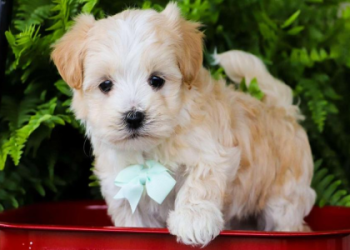
The Art and Science of Goldendoodle Grooming
Introduction
Goldendoodles, a cross between a Golden Retriever and a Poodle, have become increasingly popular as family pets due to their friendly nature, intelligence, and low-shedding coat. As their popularity grows, so does the need for skilled grooming that keeps these dogs comfortable and healthy. This article explores the essentials of Goldendoodle grooming, highlighting why regular care matters and how professional groomers help these dogs look and feel their best.
The Unique Characteristics of Goldendoodles
Goldendoodles inherit a coat that blends the Poodle’s dense, curly texture with the Golden Retriever’s softer waves. The result is often low-shedding and can be allergy-friendly, but it also tangles easily if left unattended. Routine brushing, combing, and trimming are necessary to keep the coat free of mats and to maintain its natural shine.
Hypoallergenic Coat
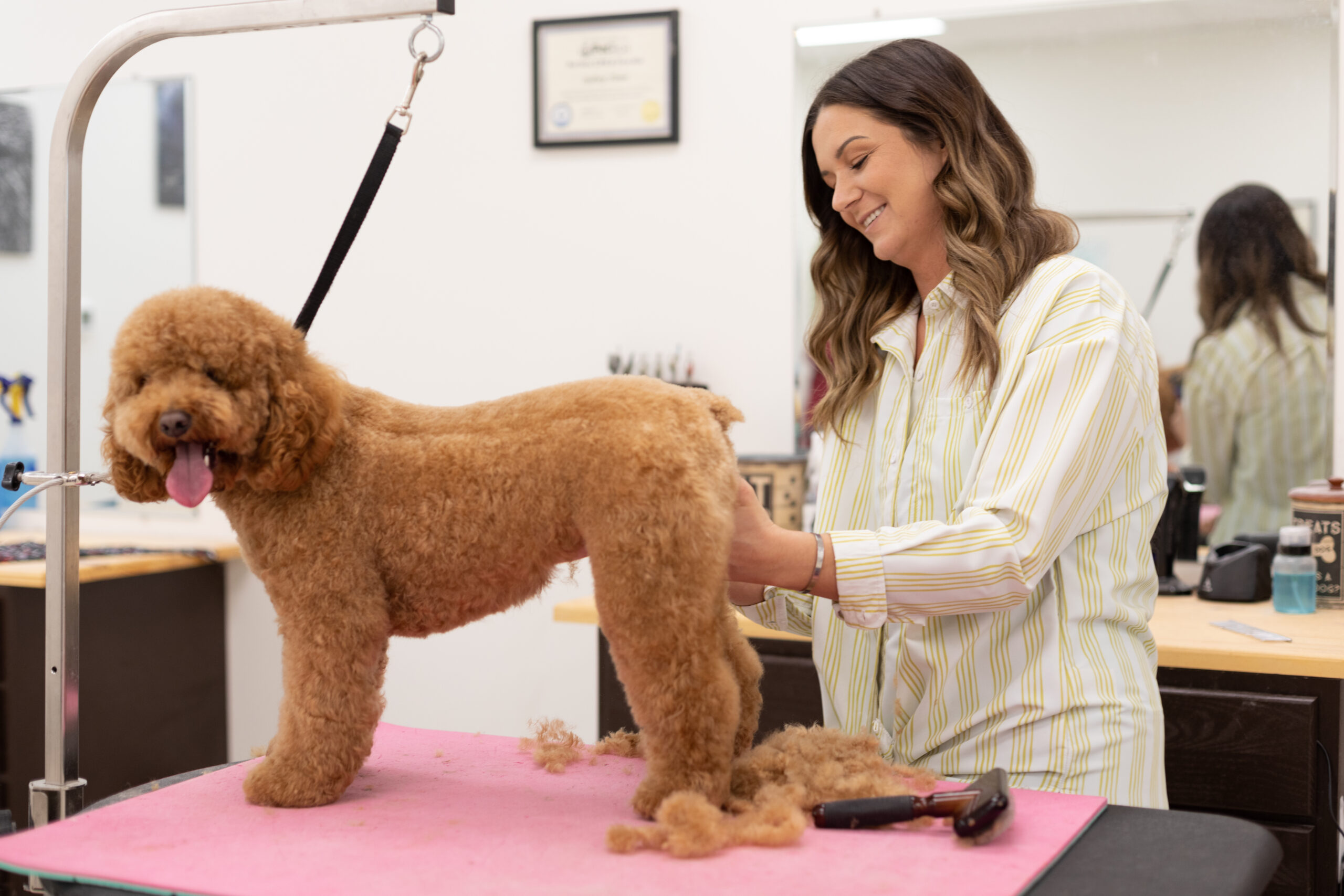
Many owners choose this breed because its coat produces less dander than many others. To preserve this advantage, weekly brushing and monthly baths are recommended. Removing loose hair and debris early prevents buildup that can trigger sensitivities in people prone to allergies.
Low-Shedding Coat
While Goldendoodles shed less than most double-coated breeds, some hair still falls out, especially during seasonal transitions. A consistent grooming schedule—every six to eight weeks—helps capture this hair before it forms knots or settles on furniture.
The Importance of Professional Grooming
Professional grooming goes beyond a neat appearance; it supports skin health, comfort, and early detection of minor issues before they escalate. Experienced groomers understand coat types, growth patterns, and the gentle handling these friendly dogs appreciate.
Preventing Coat Issues
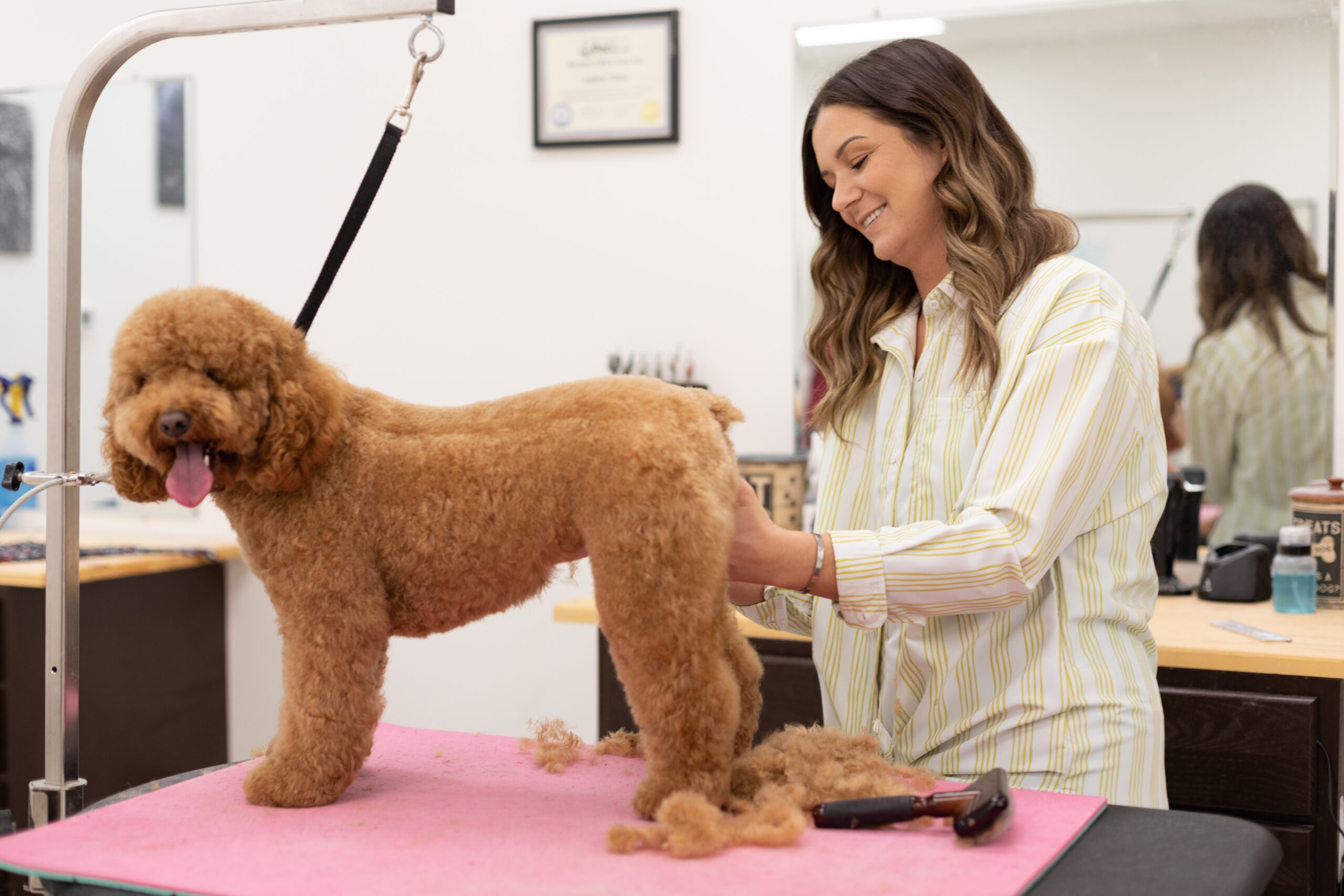
Regular appointments keep the coat evenly trimmed, reducing the weight that can pull on the skin and cause discomfort. Groomers also check hidden areas—under the collar, behind the ears, and between toes—where mats often begin unnoticed.
Enhancing Appearance
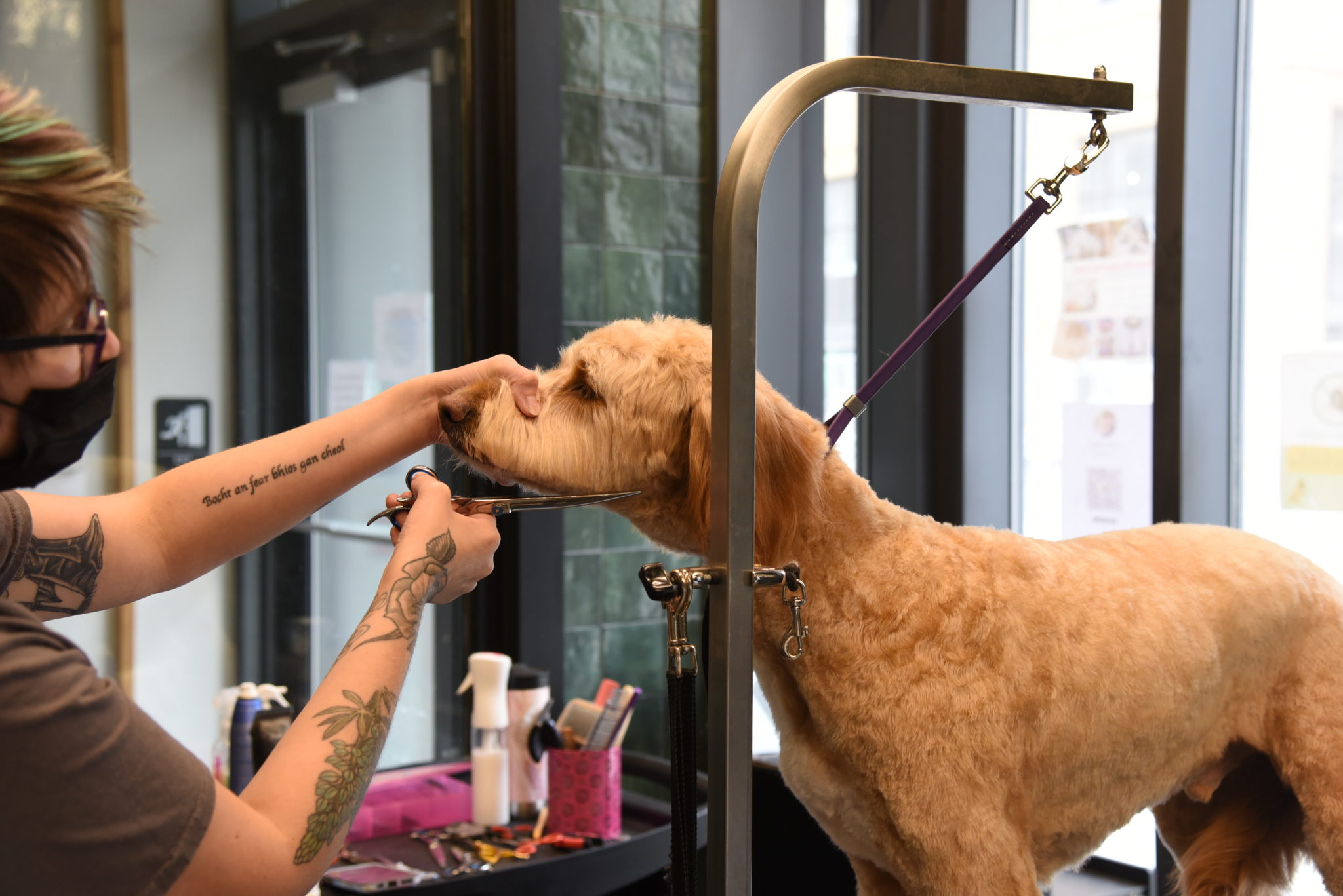
A balanced haircut accentuates the breed’s cheerful expression and athletic build. Whether the owner prefers a sporty short clip or a longer, fluffy look, skilled scissoring creates a silhouette that is both practical and attractive.
Promoting Overall Health
During each session, groomers inspect the skin for redness, lumps, or parasites, and they note any changes in ear odor or nail condition. Sharing these observations with the owner encourages prompt veterinary attention when needed.
The Role of a Goldendoodle Groomer
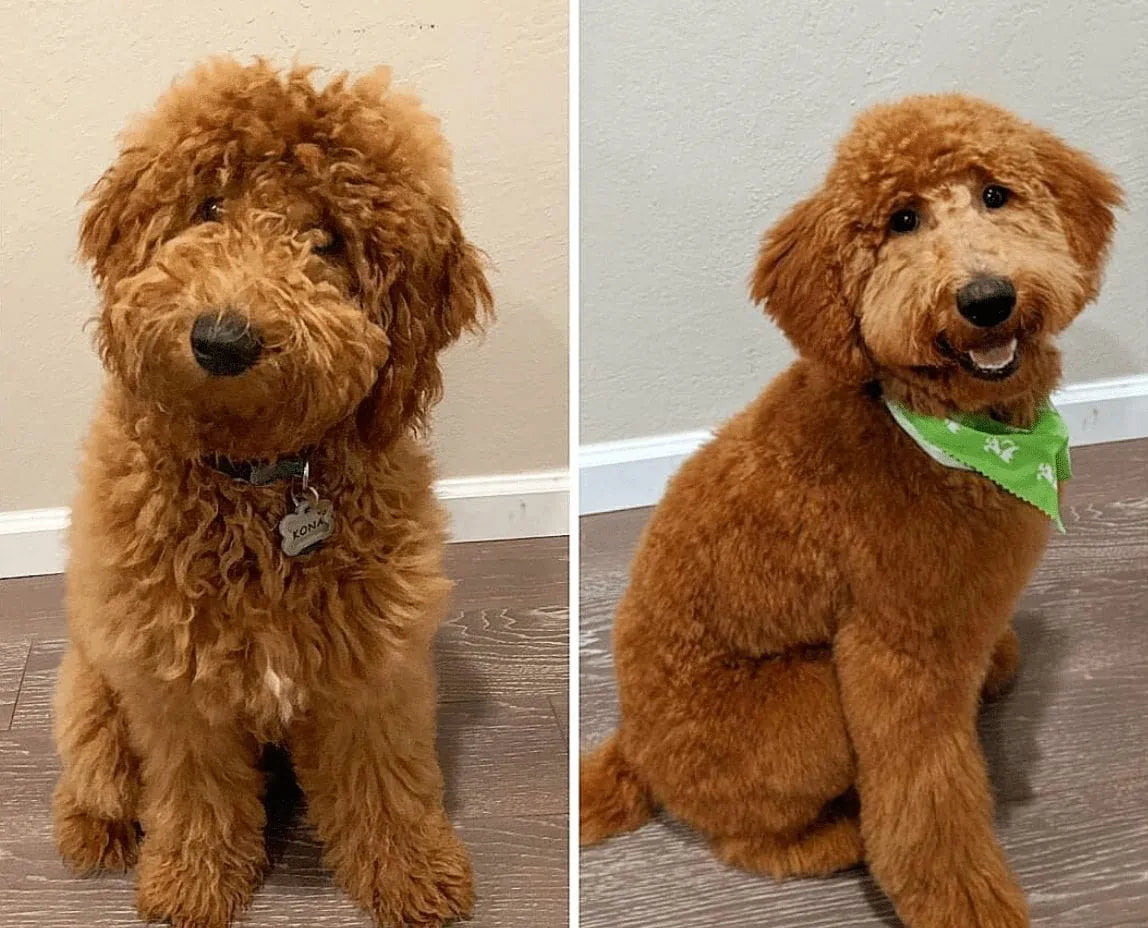
A groomer who specializes in this crossbreed acts as a partner in the dog’s care routine. By combining technical skill with a calm approach, they turn what could be a stressful experience into an enjoyable outing for the pet.
Grooming Techniques
Key steps include:
– Brushing: A slicker brush followed by a metal comb separates tangles from the skin outward.
– Bathing: Mild shampoo and thorough rinsing remove dirt without stripping essential oils.
– Drying: A handheld dryer on low heat straightens the coat for an even trim.
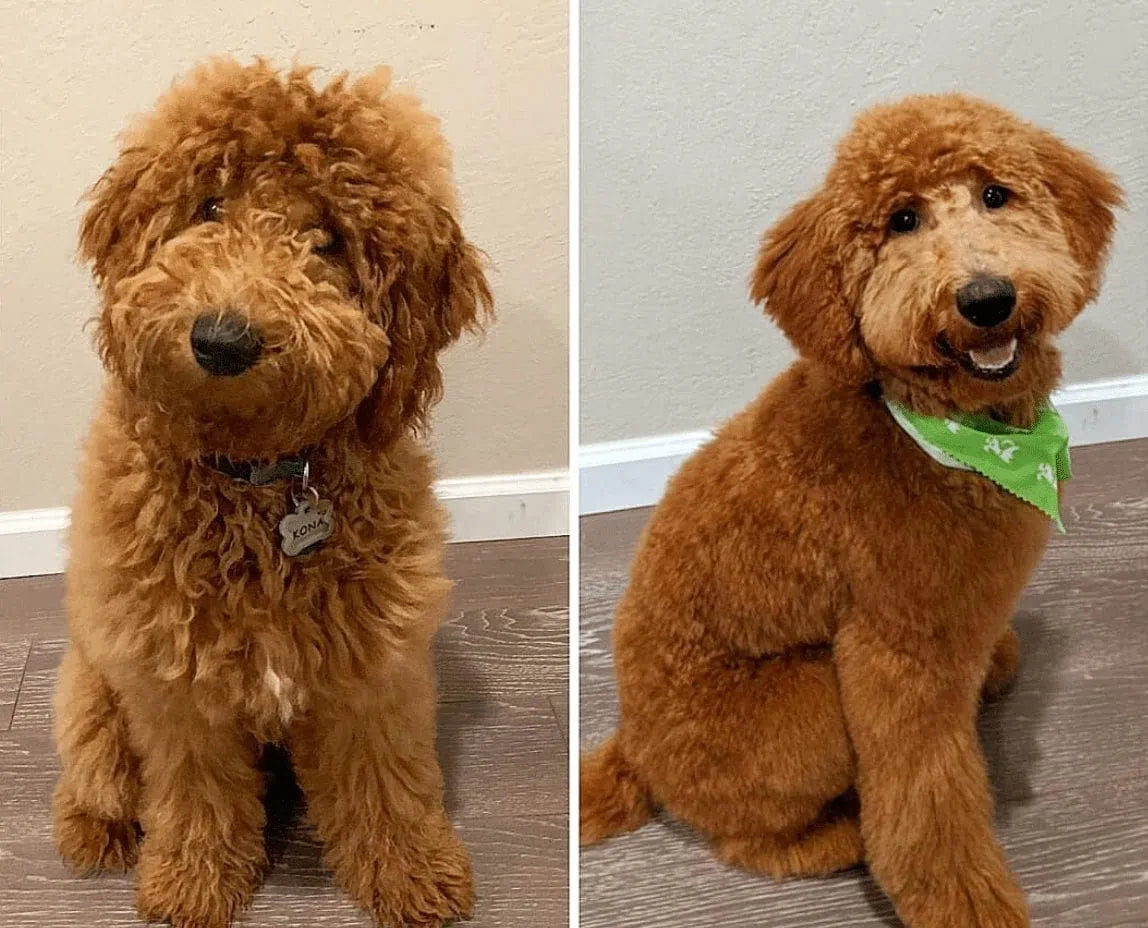
– Haircuts: Clippers and scissors shape the face, body, and legs while maintaining natural movement.
Knowledge of the Breed
Understanding the range of coat textures—wavy, curly, or flat—and the energy level typical of these dogs allows groomers to adapt techniques. For example, a softer voice and frequent treats help keep a playful puppy still during scissoring.
Building Trust and Rapport
Gradual introductions to water, noise, and handling create positive associations. Many groomers encourage owners to practice gentle brushing at home, reinforcing the bond and making salon visits smoother.
Conclusion
Consistent, knowledgeable grooming is central to a Goldendoodle’s well-being. It prevents discomfort, supports skin health, and showcases the breed’s endearing looks. As more families welcome these dogs into their homes, professional groomers will continue to play an essential role in their care.
Recommendations and Future Research
To keep improving the grooming experience, consider the following:
1. Offer workshops that update groomers on coat variations and stress-free handling methods.
2. Design lightweight, quiet tools tailored to dense, curly hair that reduce drying time and noise.
3. Study how different grooming frequencies affect skin condition and coat regrowth over time.
By sharing knowledge and refining techniques, the grooming community can ensure every Goldendoodle enjoys comfortable, healthy, and stylish care throughout life.