Dilute Tortoiseshell Kittens: A Gentle Guide for Future Owners
Introduction
Soft-hued tortoiseshell kittens have become a favorite among families looking for a cat with an eye-catching coat. Their pastel patches and gentle personalities make them stand out in any home. This guide walks you through what makes these kittens special, how to care for them, and how to bring one home responsibly.
What Sets Dilute Tortoiseshells Apart
Coat Colors
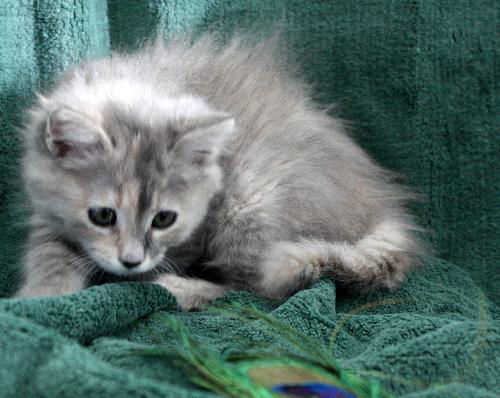
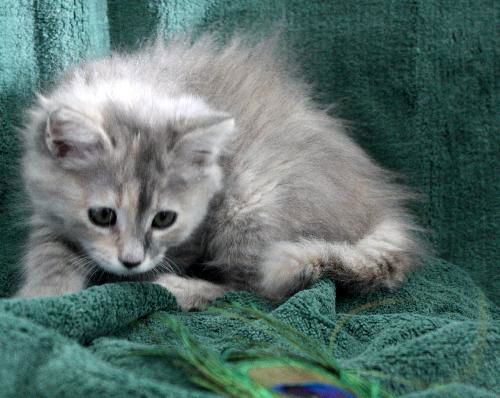
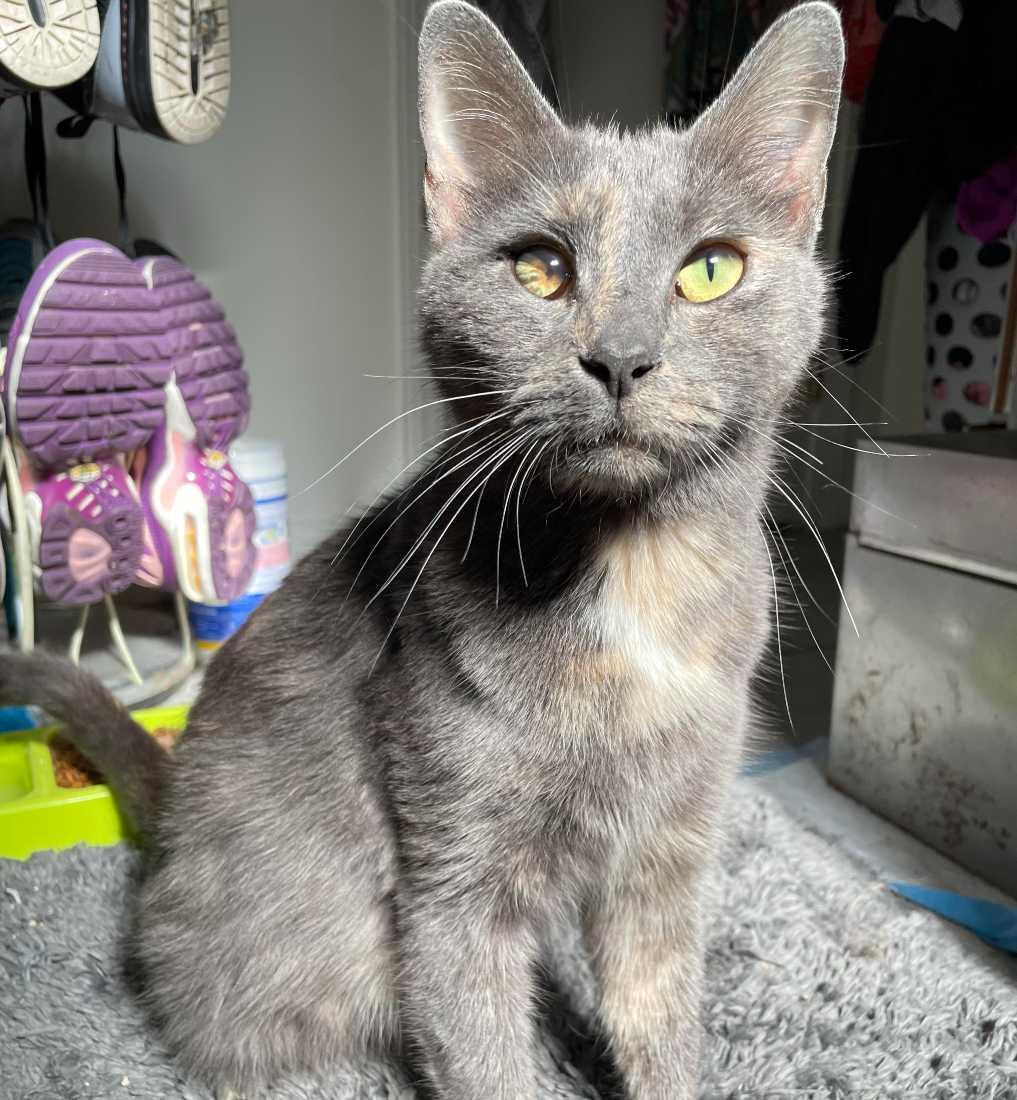
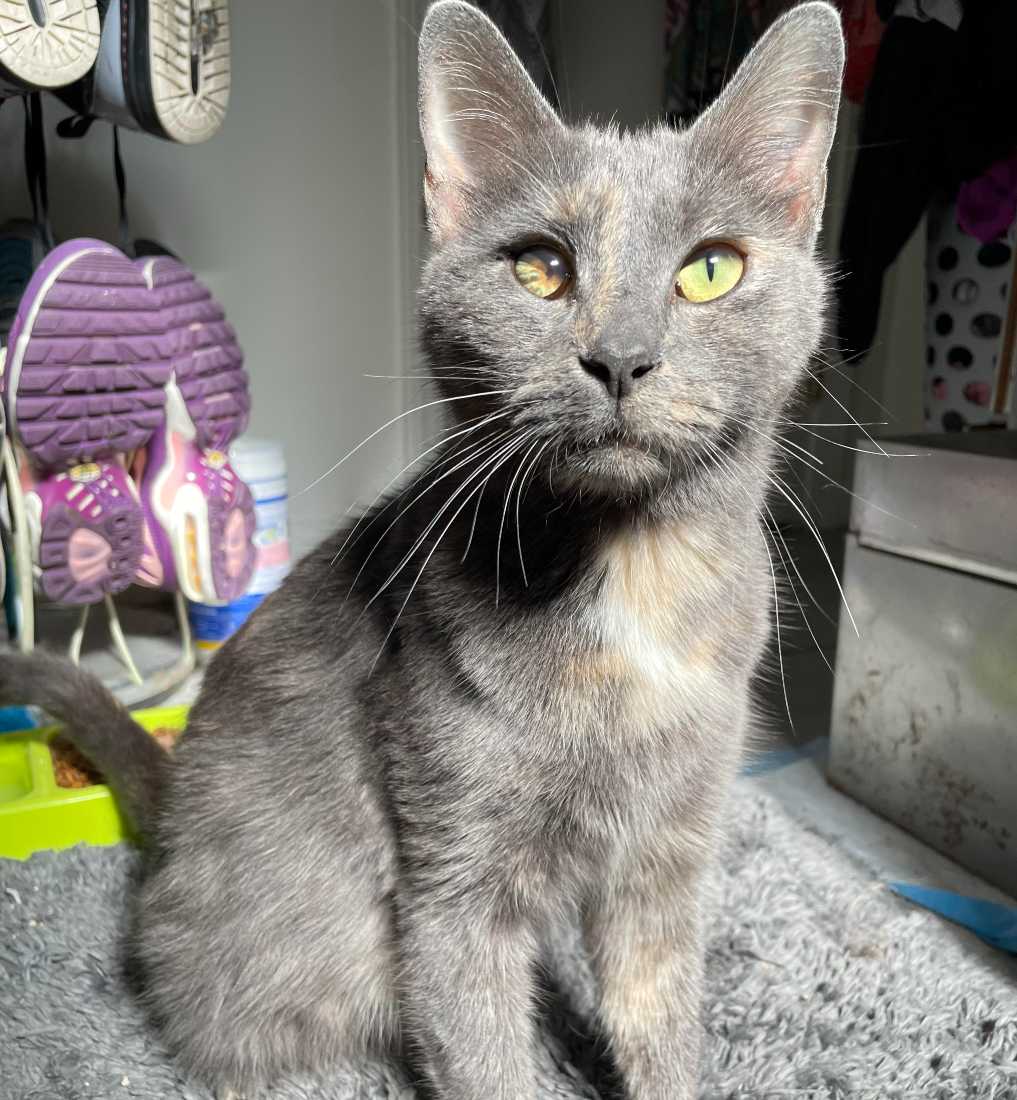
Instead of the classic black and orange, dilute tortoiseshells wear a watercolor blend of gray, cream, and peach. The lighter palette gives them a dreamy, marbled look that changes subtly as they move in different lights.
Genetics in Simple Terms
The pale coat appears when both parents carry a hidden “dilute” gene. Ethical breeders plan matings carefully to keep the gene pool healthy and avoid inherited problems.
Day-to-Day Care
Feeding
Growing kittens need protein-rich meals formulated for their age. Serve measured portions at set times, and always provide fresh water to keep them hydrated and playful.
Grooming
A five-minute brush every day prevents tangles and reduces loose hair around the house. Use a soft bristle brush and turn the session into a soothing ritual your kitten will look forward to.
Health Checks
Schedule a vet visit soon after arrival, then keep up with yearly exams, vaccines, and parasite prevention. Watch for changes in appetite or energy, and consult your vet promptly if anything seems off.
Why Responsible Breeding Matters
Keeping the Gene Pool Wide
Pairing unrelated cats lowers the risk of inherited illnesses. Good breeders track family trees and swap mating partners across distant lines to maintain vigor.
Putting Welfare First
Kittens should be raised indoors with their mother until at least twelve weeks, given toys, gentle handling, and a clean environment. Well-socialized babies grow into confident, affectionate adults.
Finding Your New Companion
Trusted Breeders
Look for breeders who welcome questions, show health records, and let you meet the kitten’s parents. Membership in international cat clubs is a plus, but open communication matters most.
Online Searching
Websites and social groups can be helpful, yet always request recent photos, video calls, and paperwork before committing. If a deal feels rushed or prices seem too low, walk away.
Adoption Centers
Local shelters often have dilute tortoiseshells mixed among their rescues. Adopting gives a homeless cat a second chance and frees shelter space for the next animal in need.
Closing Thoughts
A dilute tortoiseshell can light up your home with quiet charm and striking beauty. By learning about their needs and choosing a responsible source, you set the stage for years of gentle purrs and colorful companionship.
Looking Ahead

Continued study of the dilute gene will help vets predict any special care these cats may need as they age. Meanwhile, sharing knowledge about ethical breeding and adoption keeps future generations of kittens healthy and happy.
Ready to welcome one of these pastel-patched companions? Take your time, ask questions, and prepare your heart for a uniquely beautiful feline friend.