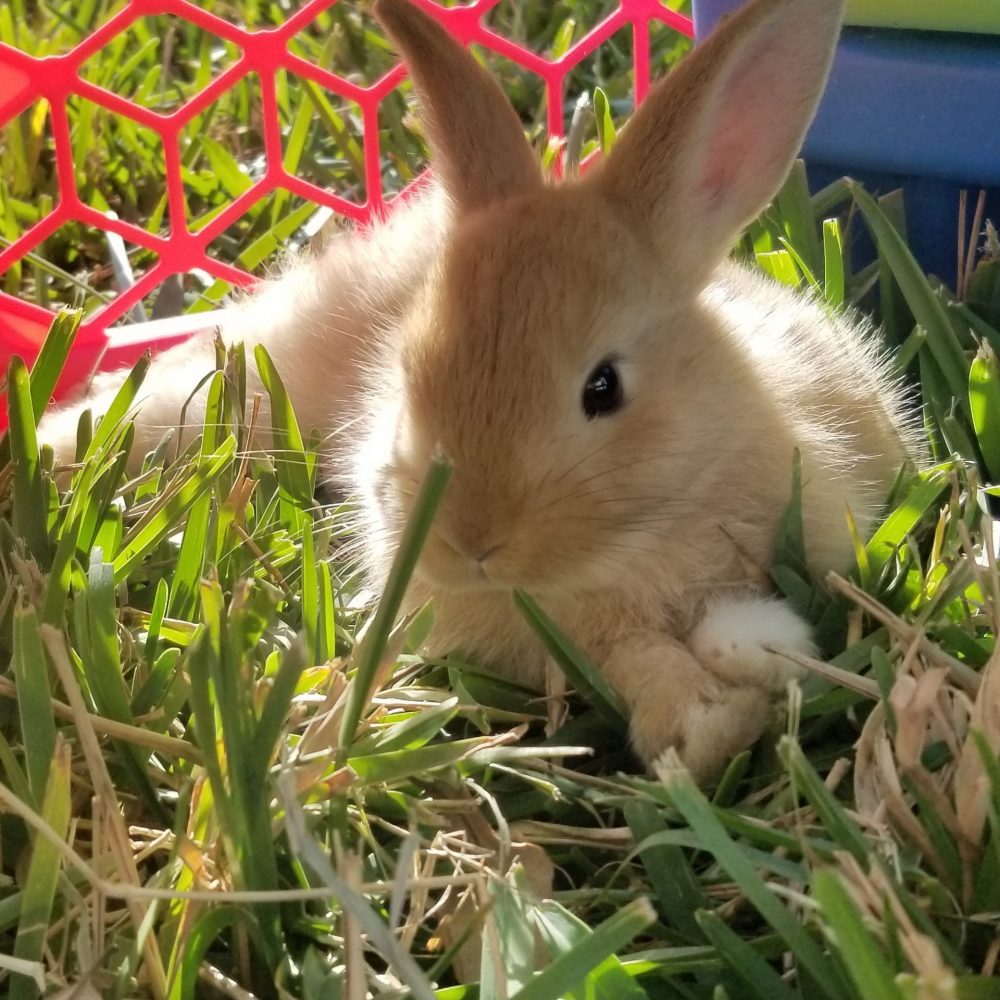
Where to Find a Rabbit: A Practical Guide to Ethical Sourcing
Introduction
Rabbits are cherished as companions, fiber producers, and sustainable livestock. Whether you want a cuddly housemate or a small-scale farm animal, choosing the right source protects both you and the bunny. This guide outlines reliable places to look, key questions to ask, and simple ways to support humane practices.
Types of Rabbits Available
Pet Rabbits
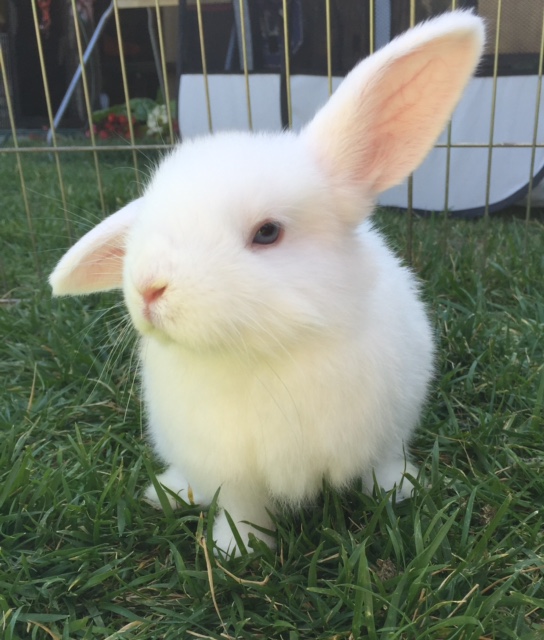
Popular companion breeds range from tiny dwarfs to fluffy giants. Each type has its own personality and grooming needs. When searching for a pet, explore these avenues:
1. Local Breeders
Reputable hobby breeders raise rabbits indoors, handle them daily, and share health records. Visiting the barn lets you see living conditions first-hand and choose a bunny whose temperament suits your family.
2. Animal Shelters and Rescues
Many healthy, social rabbits wait in shelters for new homes. Adoption counselors match you to a bunny whose age and energy level fit your lifestyle, and the fee usually includes sterilization and a vet check.
3. Online Marketplaces and Pet Stores
If you shop online or in stores, insist on recent photos, medical history, and a video call. Skip listings that ship tiny kits or keep large numbers in crowded cages.
Meat Rabbits
For homesteaders, heritage meat breeds convert feed to protein efficiently. Source stock from these channels:
1. Local Breeders
Small farms select for strong immunity and calm temperaments, making daily care easier. Ask to see breeding records and taste a sample fryer if you plan to sell at market.
2. Online Marketplaces and Breeders
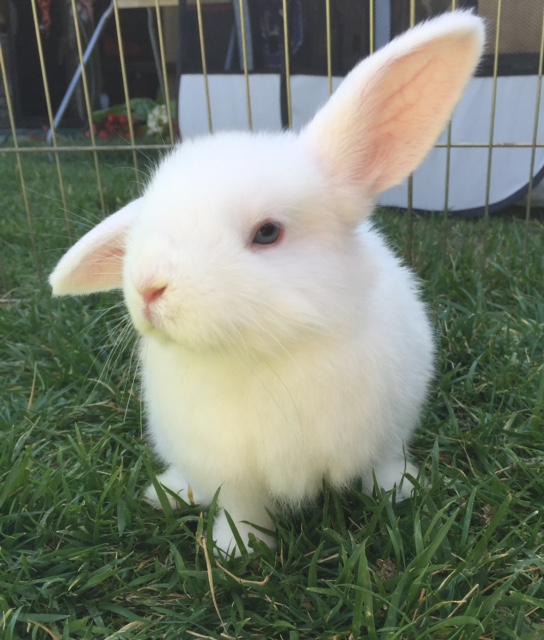
Distance sellers should provide pedigrees, vaccination dates, and a health guarantee. Arrange climate-safe transport and quarantine new animals before mixing herds.
Fur Rabbits
Long-haired breeds supply soft fiber for hand-spinning. Ethical producers harvest by combing, not shearing skin. Look here:
1. Local Breeders
Angora enthusiasts often welcome visitors to learn gentle grooming techniques. Buying locally also reduces travel stress on the rabbit.
2. Online Marketplaces and Breeders
Verify that sellers follow national welfare codes and never pluck live animals. Request photos of housing and fiber-harvesting tools before you commit.
Factors to Consider When Sourcing Rabbits

A quick checklist keeps the process smooth and humane:
1. Health and Temperament
Bright eyes, clean ears, and a curious hop signal good health. Spend time interacting to rule out fearful or aggressive individuals.
2. Breeder Reputation
Search for transparent breeders who answer questions, welcome visits, and belong to breed clubs or welfare associations.
3. Animal Welfare
Rabbits need spacious, dry pens, constant hay, and daily exercise. Refuse sources that stack cages in dark sheds or withhold water.
4. Legal Requirements
Some regions limit colony size or require permits for commercial breeding. Check municipal rules before you buy.
Responsible Breeding and Adoption Practices

Small choices add up to a healthier rabbit population:
1. Spaying and Neutering
Fixing pets prevents surprise litters and lowers cancer risk. Many rescues include the surgery in the adoption fee.
2. Education and Awareness
Share reliable care guides with new owners and discourage impulse Easter purchases. A well-informed keeper keeps the bunny for life.
3. Support Local Rabbit Rescues
Donate hay, volunteer to clean pens, or foster a senior rabbit. Community support keeps rescue doors open year-round.
Conclusion
Finding the right rabbit starts with deciding why you want one and ends with choosing a source that puts welfare first. Whether you adopt a shelter bunny or select breeding stock from a trusted farmer, thoughtful questions and humane values ensure a happy, healthy partnership for years to come.