The Significance of Pets in a Capital City
Introduction
Bustling capital cities are often celebrated for monuments and museums, yet they also nurture a lively community of animal lovers. Dogs, cats, birds, and other companions enrich daily life for countless residents and visitors alike. This article highlights how these animals support mental well-being, strengthen social ties, and elevate the overall quality of urban living.
Mental Health Benefits of Pets
Companion animals are widely recognized for easing stress, anxiety, and low mood. Research indicates that people who live with pets often show reduced levels of cortisol, a hormone linked to tension. In a fast-moving metropolitan setting, a friendly wag or gentle purr offers a moment of calm and steady affection that can make long workdays feel lighter.
Local outreach groups regularly host mindfulness walks, “paws and relax” meet-ups, and therapy-animal visits, giving residents easy ways to experience these soothing effects first-hand.
Social Interactions and Community Building
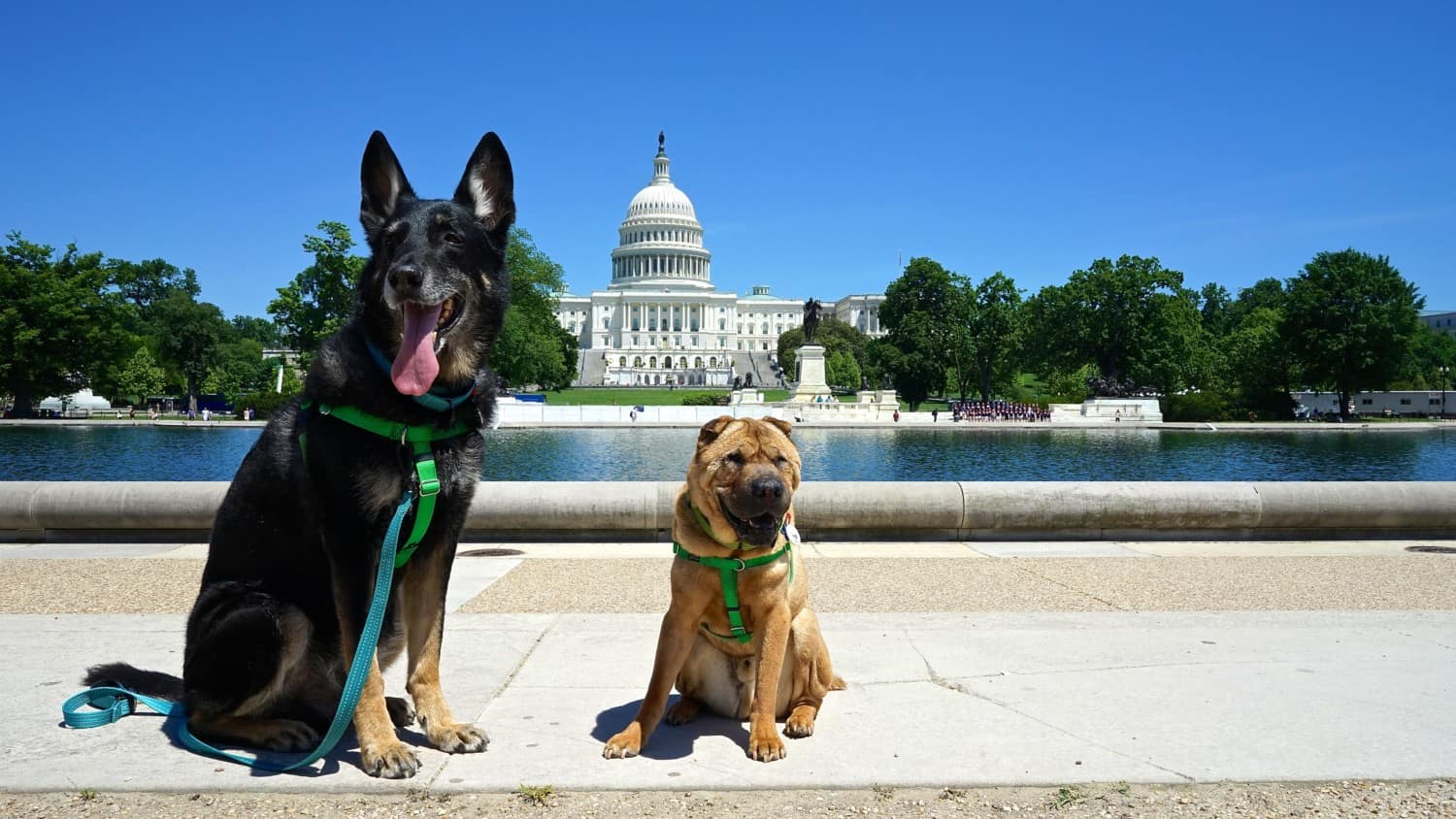
Neighborhood parks, café patios that welcome four-legged guests, and weekend adoption fairs create natural gathering spots. While dogs chase tennis balls, their humans strike up conversations that can blossom into lasting friendships. Seasonal festivals centered around animals further unite people from different backgrounds around a shared love of companionship and care.
Economic Impact of Pets in the City
Feeding, grooming, and providing medical care for animals fuels a steady stream of local spending. Small businesses—from boutique treat bakeries to mobile grooming vans—thrive by meeting these needs, generating employment and keeping streets vibrant. Pet-friendly hotels and short-term rentals also attract visitors who prefer to travel with their companions, adding extra revenue to the hospitality sector.
Challenges and Solutions for Pet Owners
Urban life can pose hurdles: compact apartments, steep rents, and varying building policies sometimes limit options for prospective owners. Community associations respond by negotiating flexible lease terms, curating lists of welcoming residences, and connecting owners with reasonably priced clinics. Pop-up vaccine clinics, subsidized training classes, and shared dog-walking cooperatives ease both financial and logistical pressures.
Conclusion
Animals weave comfort, camaraderie, and commercial vitality into the fabric of city living. While challenges remain, collaborative efforts among residents, businesses, and advocates continue to expand opportunities for responsible guardianship. Recognizing and nurturing this bond ensures that both two-legged and four-legged citizens can flourish together, now and in the future.