
The Impact of Pet Imagery on Society and Culture
Introduction
Images of pets have woven themselves into the fabric of everyday life. Whether curled on a living-room rug or glimpsed in wildlife documentaries, companion animals spark warmth and curiosity around the globe. This article surveys how such imagery shapes communities, supports mental well-being, and reflects shared cultural values.
The Role of Pets in Society
The Family Companion: Silent Yet Profound Bonds
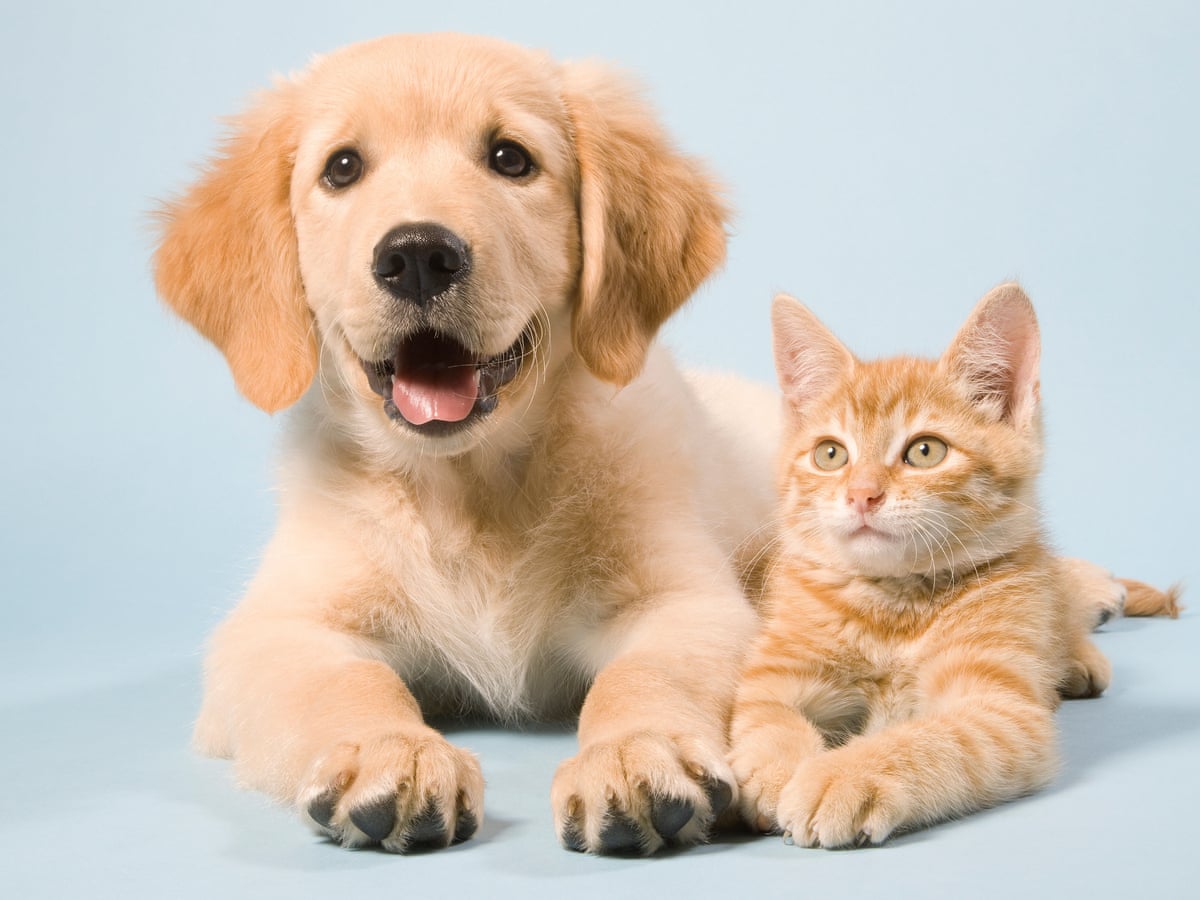
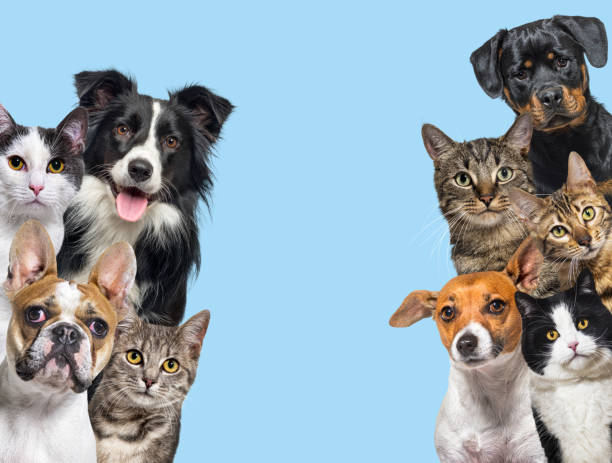
Dogs, cats, birds, fish, and other household animals offer steady friendship. Their presence can ease loneliness, soften daily stress, and encourage conversation among neighbors. Surveys repeatedly show that people who share life with animals often describe themselves as calmer and more connected than those without.
Pets in the Workplace: A Calming Influence
More offices now open their doors to well-behaved animals. Employees report that a friendly tail wag or gentle purr breaks tension, lifts spirits, and helps teams return to tasks with renewed focus. The practice underlines how a simple glimpse of an animal can reset the emotional tone of a workday.
The Psychological Benefits of Pets
Therapeutic Value: Quiet Support in Difficult Moments
In hospitals, schools, and counseling settings, animals serve as gentle co-therapists. Their steady breathing and non-judgmental gaze invite people to speak, smile, or simply breathe more slowly. Over time, these small moments can strengthen confidence and emotional resilience.
Stress Reduction: The Soothing Touch
Running fingers through soft fur or smooth feathers often lowers heart rate and invites a sense of calm. This everyday ritual releases natural mood-lifting chemicals, illustrating how tactile connection with animals can quietly restore balance.
The Cultural Significance of Pets
Pets in Art and Storytelling
From ancient murals to modern novels, creatures at our side symbolize loyalty, adventure, and comfort. From feline guardians in old temples to faithful hounds in classic paintings, artists and writers celebrate the timeless dialogue between people and their animal companions.
Pets in Media and Advertising
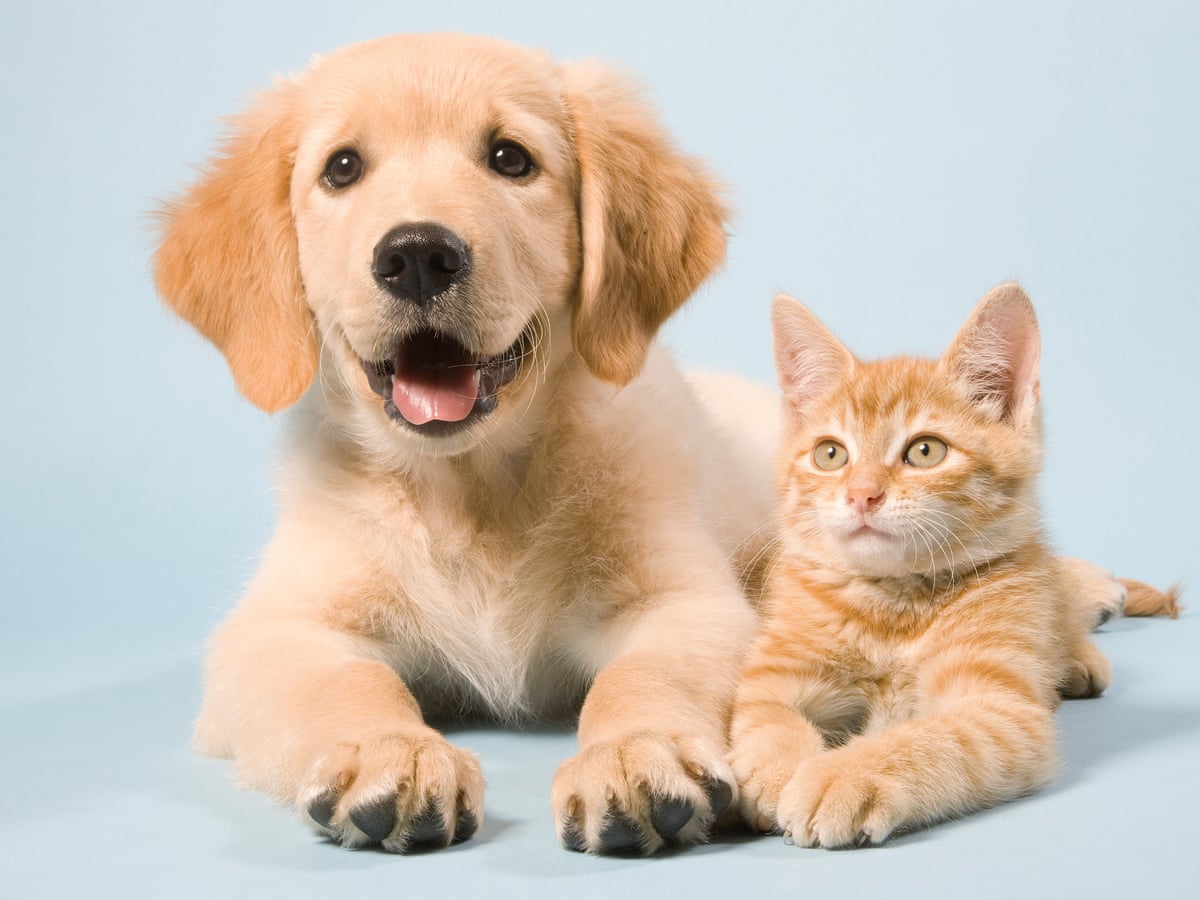
Advertisers regularly feature playful puppies or curious kittens to evoke warmth and trust. A single wagging tail in a commercial can kindle nostalgia and joy, proving that images of animals carry powerful emotional shorthand.
Conclusion
Pet imagery is more than decoration; it mirrors our need for connection, comfort, and wonder. By valuing these glimpses of fur, feather, and fin, we reinforce empathy and shared humanity.
Recommendations and Future Research
To deepen understanding of human-animal bonds, the following steps are suggested:
1. Support long-term studies on how daily contact with companion animals influences emotional health.
2. Encourage pet-accommodating guidelines in offices, parks, and public transport to nurture mutual well-being.
3. Expand education on responsible guardianship, highlighting care, commitment, and respect for every creature.
In embracing the quiet presence of animals, we cultivate a kinder, more connected world.