
Title: The Heartwarming World of Rescue Mutts: A Comprehensive Analysis
Introduction
Mixed-breed dogs adopted from shelters—often called rescue mutts—have quietly become beloved family members in countless homes. Their blend of resilience, affection, and adaptability surprises everyone who gives them a chance. This overview celebrates their distinctive qualities, the hurdles they sometimes face, and the everyday rewards of welcoming one into your life.
Understanding Rescue Mutts
A rescue mutt is simply a dog whose family tree includes more than one breed. This genetic variety usually brings fewer hereditary health problems and a flexible nature that settles well into city apartments, suburban yards, or country farms. Because no two mixes are identical, each dog arrives with its own look, size, and personality, turning every adoption into a unique discovery.
The Challenges Faced by Rescue Mutts
Even with these advantages, mixed-breed dogs can wait longer for homes, partly because some adopters still lean toward purebred puppies with predictable traits. Longer shelter stays increase stress and can threaten a dog’s chance of ever leaving the kennel.
Another difficulty is the missing backstory. Without paperwork, adopters may feel uncertain about adult size, exercise needs, or future behavior. While shelters conduct behavior evaluations, the unknowns can feel daunting to first-time guardians.
The Benefits of Adopting Rescue Mutts
Opening your door to a mixed-breed companion offers everyday payoffs:
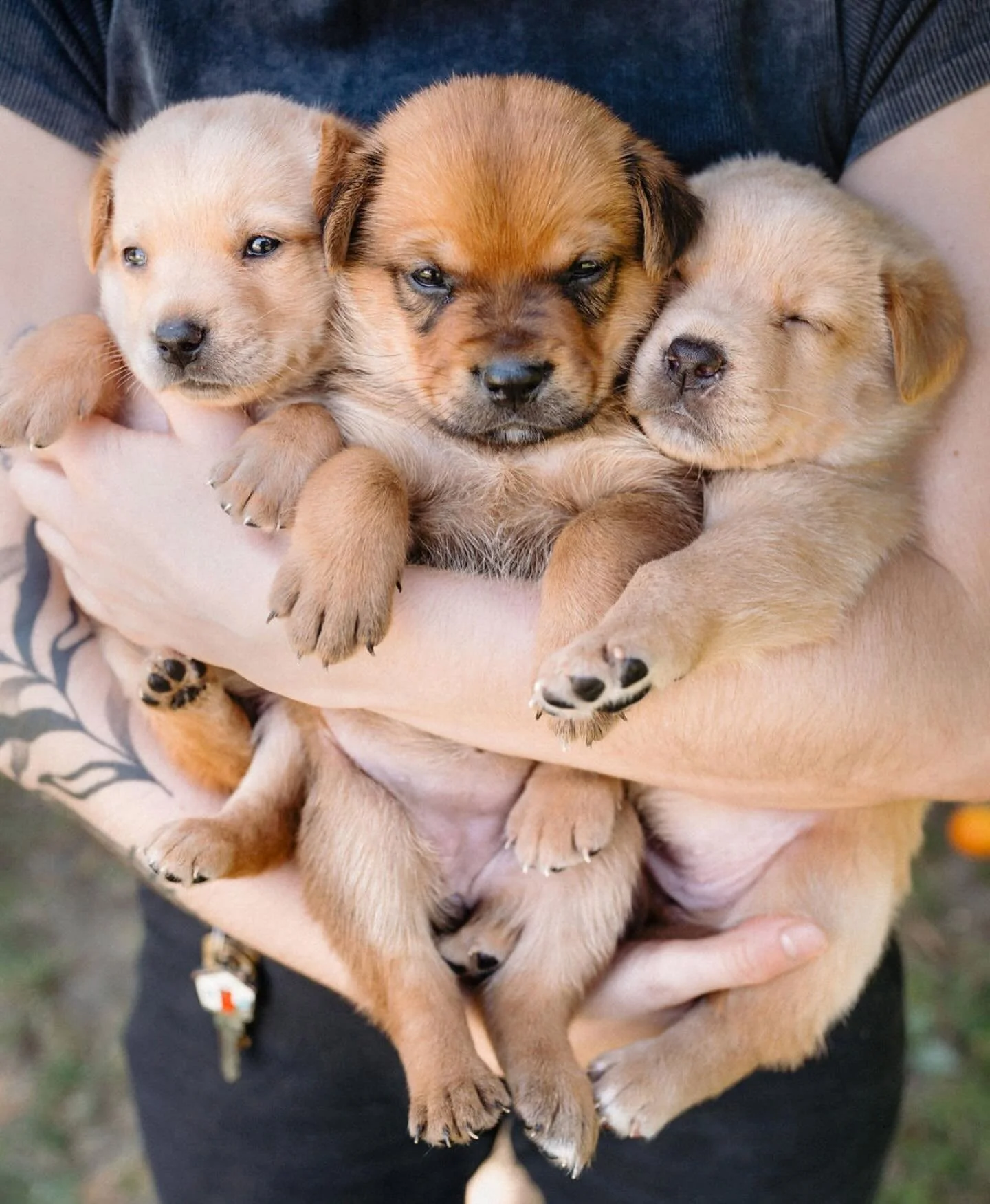
1. One-of-a-Kind Character: Blended genes often create surprising combinations—perhaps the playfulness of a spaniel with the steadiness of a shepherd—giving you a friend you will never confuse with anyone else’s dog.
2. Hardy Health: Wider gene pools generally lower the risk of breed-specific disorders, meaning fewer vet visits and lower lifetime medical costs for many families.
3. Budget-Friendly Choice: Adoption fees routinely cover spay or neuter surgery, initial vaccines, and micro-chipping, making the first year considerably cheaper than purchasing a pedigreed puppy.
4. A Second Chance Story: Every adoption frees up shelter space and resources, allowing staff to rescue the next dog in line while giving your new companion the secure future it deserves.
The Role of Rescue Organizations
Local shelters and volunteer networks form the safety net for these dogs. Teams assess temperament, treat minor ailments, and provide basic training so that each animal arrives in the adoption room ready to succeed. Many groups also offer post-adoption guidance—phone hotlines, training handouts, and even discounted classes—smoothing the transition from kennel to couch.
Conclusion
Rescue mutts prove daily that greatness does not require a pedigree. Their varied coats, unexpected talents, and heartfelt gratitude turn ordinary households into lively homes. Choosing a mixed-breed dog is less about charity and more about recognizing the quiet excellence waiting behind a kennel door.
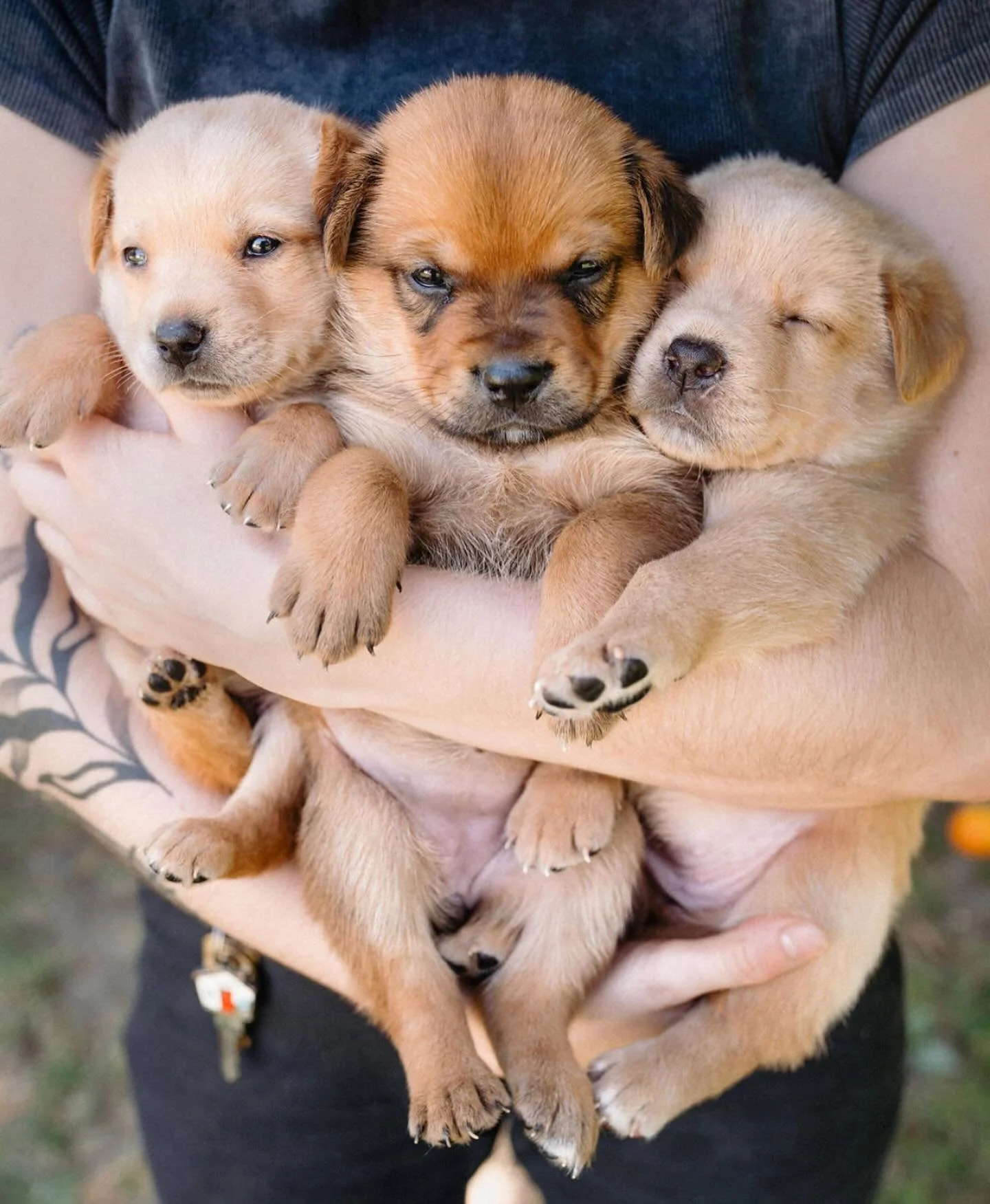
As more families share success stories, outdated preferences fade and shelter waitlists shorten. Continued support for adoption events, foster programs, and community education keeps the momentum alive, moving us toward a time when every dog enjoys a warm bed and a name that belongs only to them.
Looking ahead, gathering simple data—such as post-adoption satisfaction or common training milestones—can refine foster protocols and matchmaking techniques, ensuring each new partnership starts on the happiest possible paw.