



The Impact of Online Puppy Platforms on Pet Ownership and Animal Welfare
Introduction
The internet has reshaped how people discover and welcome pets into their lives. Dedicated puppy platforms now serve as popular meeting points between caring homes and young dogs. This overview examines how such sites influence both ownership trends and overall animal welfare, weighing helpful features against possible pitfalls.
The Rise of Puppy Platforms
Digital puppy listings have flourished because they are easy to reach day or night. Users can explore coat colors, sizes, and temperaments through photos or short clips, then exchange messages with caregivers without leaving home. This simplicity widens the pool of future guardians, especially those who cannot easily visit multiple kennels in person.
The Benefits of Puppy Platforms

1. Accessibility
Searching from home removes travel time and lowers entry barriers for people with limited mobility or demanding schedules, letting them focus on finding a good match.
2. Variety
A single site can host many breeds, cross-breeds, and age ranges, increasing the chance that a family will locate a puppy whose energy level and size fit their lifestyle.
3. Transparency
Reputable pages encourage caregivers to share health checks, living conditions, and parent profiles, helping adopters make informed, confident choices.

The Drawbacks of Puppy Platforms
1. Ethical Concerns
When profit becomes the main goal, some sources may keep breeding adults in crowded or inadequate spaces. A flashy profile can hide these realities.
2. Health Risks
Puppies raised without proper veterinary care or genetic screening may develop avoidable illnesses, saddling new families with emotional strain and high medical bills.
3. Emotional Impact
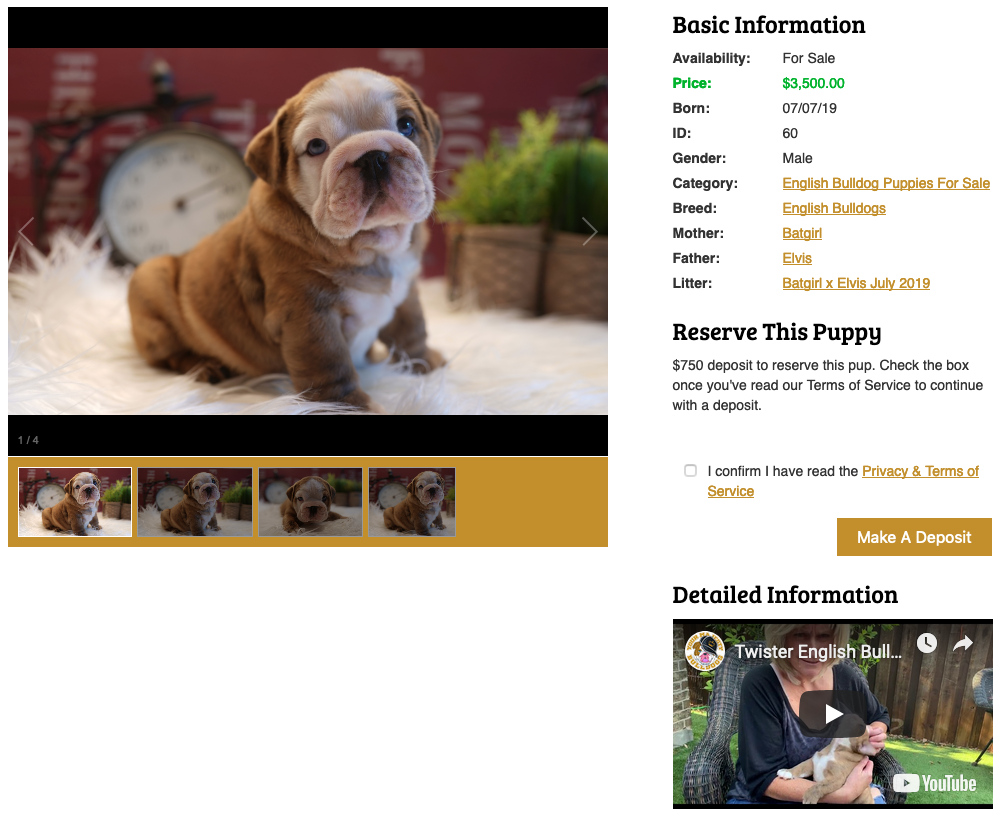
Photos alone rarely reveal a puppy’s full personality. Unrealistic expectations can lead to disappointment or, worse, relinquishment when behavior or care needs surpass what an owner imagined.
The Role of Puppy Platforms in Animal Welfare
Well-run platforms can lift welfare standards by spotlighting caregivers who follow best practices and by steering visitors toward educational material. Achieving this potential depends on consistent rules that place animal well-being above sales volume.
The Importance of Responsible Breeding
Healthy puppies emerge from environments that emphasize balanced nutrition, daily exercise, gentle handling, and early socialization. Sound breeding plans also avoid pairings likely to pass on hereditary problems.
The Role of Puppy Platforms in Promoting Responsible Breeding
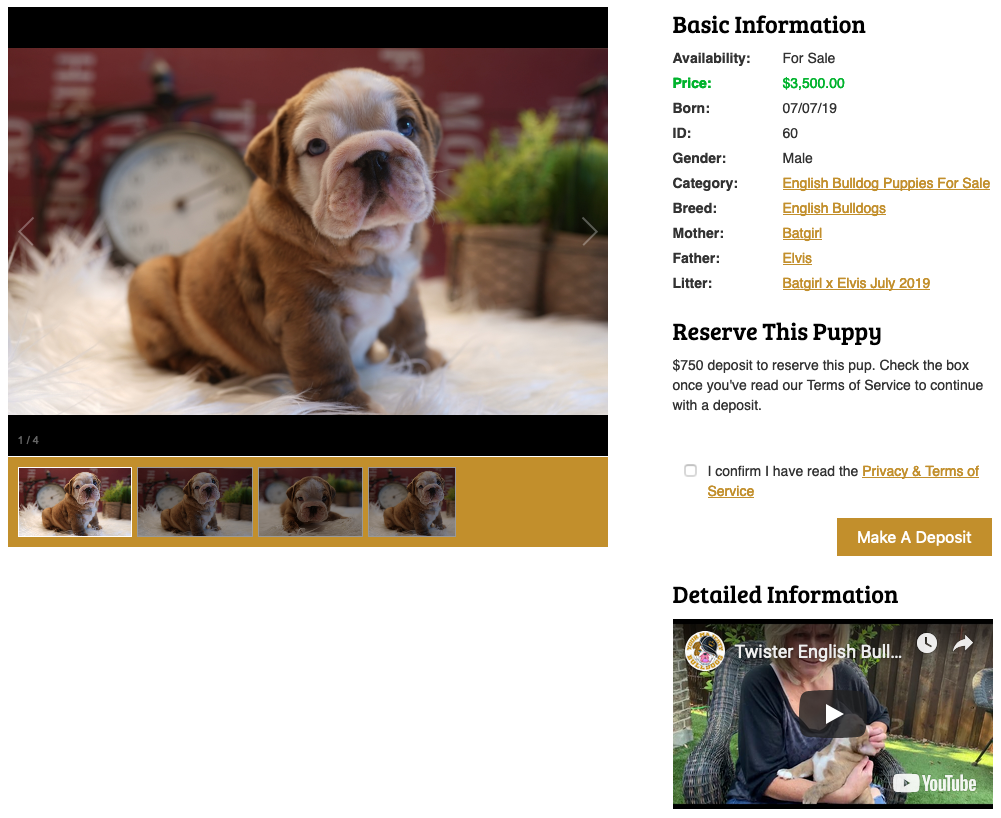
Portals can advance good practice by:
– Verifying caregiver credentials and conducting periodic reviews.
– Hosting articles, videos, and checklists that explain welfare-oriented breeding.
– Prompting adopters to ask about parent health, housing conditions, and return policies.
Conclusion
Online puppy platforms have streamlined the search for a new companion, yet convenience must never eclipse welfare. By embedding safeguards and celebrating transparent caregivers, these sites can help build a future where every puppy starts life in a nurturing setting and every adopter is fully prepared for the journey ahead.
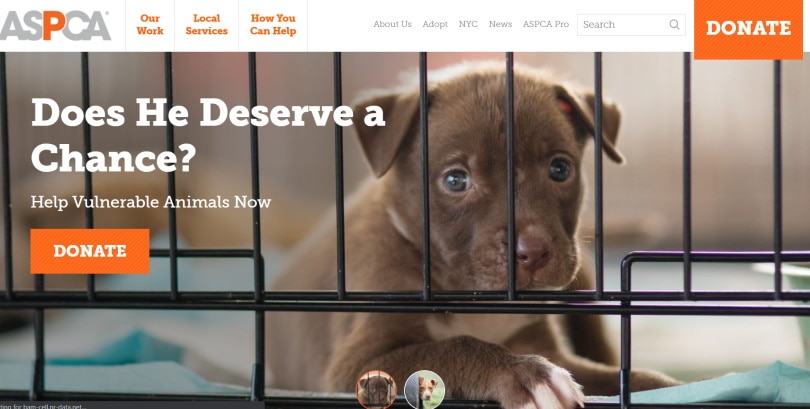
Recommendations and Future Research
To strengthen the positive influence of puppy platforms, stakeholders could:
– Adopt uniform welfare standards and review them regularly.
– Offer ongoing guidance for first-time owners, covering training, nutrition, and veterinary care.
– Publish clear policies that hold caregivers accountable for the lifetime well-being of their animals.
Areas worth further study include:
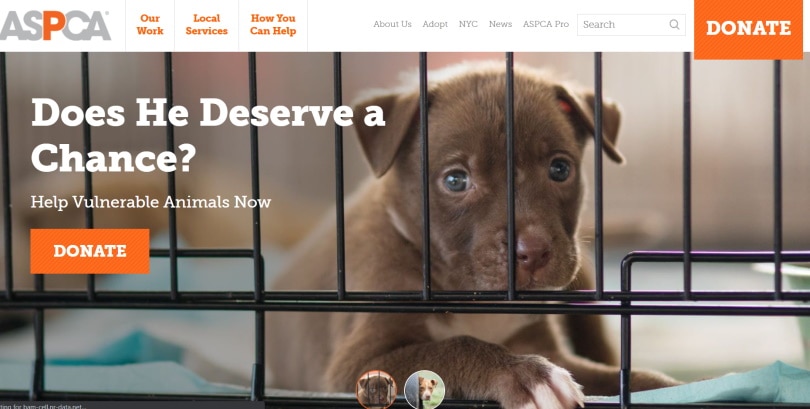
– Long-term behavioral and medical outcomes for puppies placed through online channels.
– The success of educational campaigns in shifting consumer demand toward welfare-focused sources.
– Innovative digital tools that monitor and improve conditions in breeding environments.
Pursuing these directions will help ensure that online puppy platforms remain a force for healthy pets and happy homes.


