Title: How Shelter Images Shape Public Attitudes and Animal Welfare
Introduction:
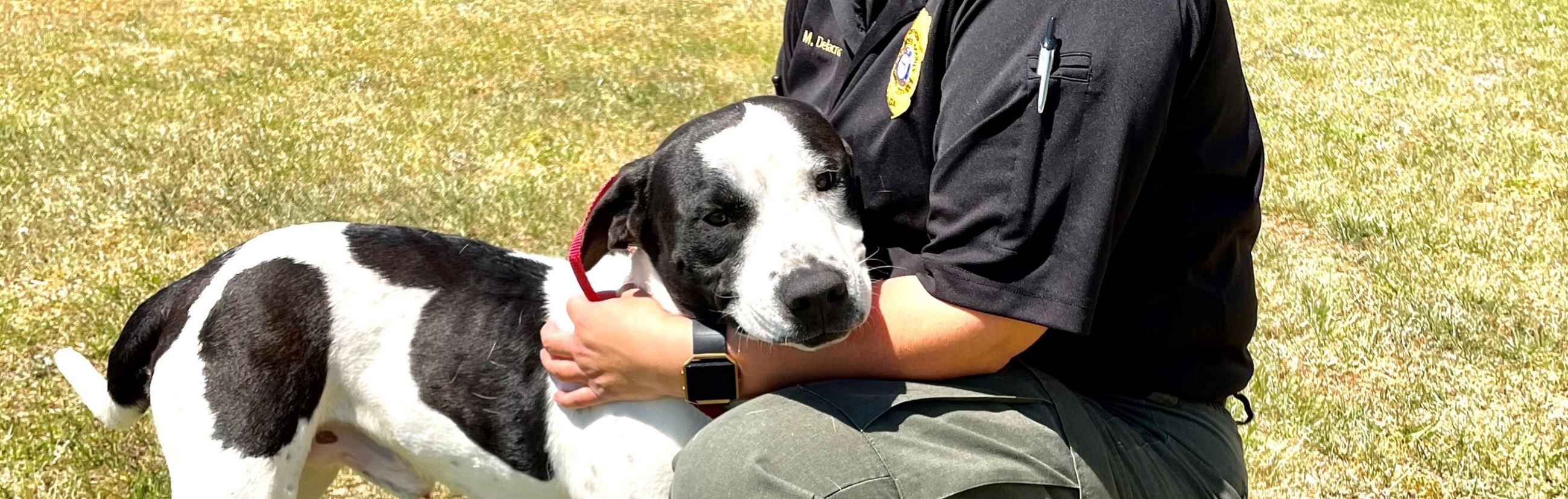
Images released by a small-town animal shelter in the southern United States have become a lightning rod for online conversations about pet adoption, humane care, and the role of public shelters. Shared widely across social platforms, the photographs chronicle daily life inside the facility and, in doing so, influence how communities view homeless animals and the resources required to protect them. This piece examines why these pictures resonate, how they alter perception, and what that means for wider welfare efforts.
Understanding the Shelter
The facility operates as a county-run service that accepts stray, surrendered, and abandoned companion animals. Staff enforce local animal-control rules while providing food, medical attention, and safe housing. Their stated goals are to safeguard animals, encourage responsible guardianship, and serve as a temporary refuge until permanent homes can be found.
The Role of Photos in Public Perception
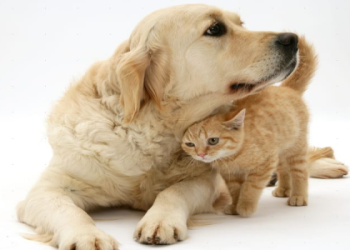
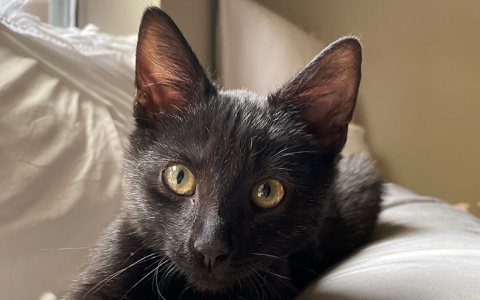
Well-timed photographs can transform abstract statistics into relatable stories. Close-ups of curious eyes or recovery progress shots invite viewers to see animals as individuals rather than numbers. By highlighting both vulnerability and resilience, the images cultivate empathy and motivate people to adopt, donate, or volunteer.
The Emotional Impact of Shelter Images
Visual storytelling triggers a spectrum of feelings: sorrow at visible ribs, hope when a timid dog wags for the first time, joy when a cat leaves for a new family. These emotional cues often translate into concrete action—filling out adoption paperwork, sharing posts, or dropping off supplies—because viewers feel personally connected to the outcome.
The Role of Social Media in Spreading Awareness
Platforms such as Facebook, Instagram, and TikTok amplify each image far beyond the shelter’s immediate vicinity. A single post can circle the globe overnight, attracting adopters who drive hours to meet a pet, or donors who send funds for emergency surgery. The ripple effect broadens the pool of potential helpers and normalizes adoption as the first choice when looking for a companion animal.
The Impact on Adoption Rates
Shelters that consistently share high-quality, honest photos report shorter average stays and fewer euthanasias. When followers see an animal’s personality captured in a snapshot—playful, gentle, or cuddly—they are more likely to schedule a meet-and-greet. Over time, this visibility creates a virtuous cycle: higher adoption volumes free up kennel space, reduce operational stress, and allow staff to devote more time to enrichment and rehabilitation.
The Role of Advocacy Groups
Local and national nonprofits frequently repurpose shelter photos for campaigns, fund-raisers, and educational content. By pairing imagery with calls to action—spay/neuter clinics, foster drives, or legislation—they channel online sympathy into offline solutions. Their networks multiply reach, coordinate transport, and supply resources the county budget cannot cover.
The Challenges and Limitations
Graphic images can distress sensitive viewers, leading to compassion fatigue or accusations of sensationalism. Reliance on ever-shifting social-media algorithms also poses risks: a drop in engagement can stall adoption momentum. Moreover, not every supporter uses these platforms, so traditional outreach—radio, print, community events—remains essential to maintain an inclusive safety net.
The Future of Shelter Imagery
Moving forward, the facility plans to pair photos with short videos, live Q&A sessions, and data dashboards that track outcomes. Collaborations with veterinarians, schools, and civic clubs will address root problems such as unplanned litters and lack of affordable care. By combining compelling visuals with concrete education, the shelter hopes to shrink the cycle of abandonment and keep more pets in the homes they already have.
Conclusion:
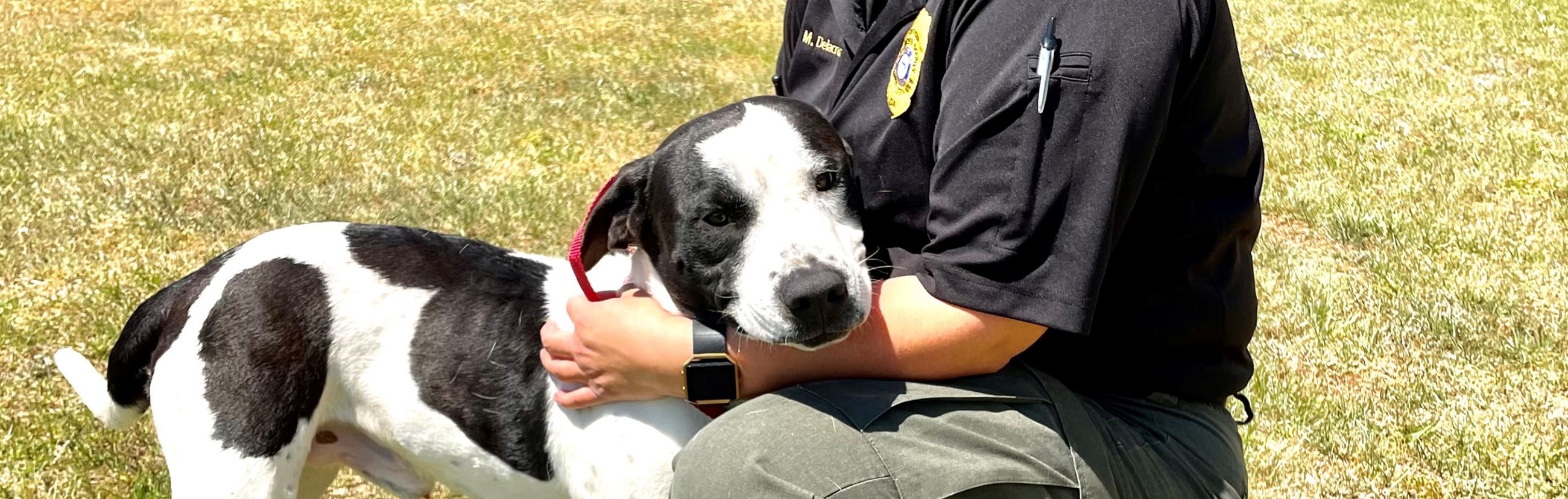
Photographs may be static, but their influence is dynamic. When deployed ethically and strategically, they bridge the gap between animals in need and people willing to help. Continued focus on authentic storytelling, community partnerships, and balanced messaging will ensure that each click, share, or adoption moves the needle toward a more humane society for every companion animal.