The Unlikely Bond: Kitten Best Friends and the Power of Feline Friendship
Introduction
Cats are often viewed as solitary creatures, yet young kittens frequently prove otherwise. Observations from homes and shelters show that early feline companions can develop surprisingly strong ties. This article explores how these kitten friendships form, why they matter for healthy growth, and what they reveal about cat social life in general.
The Nature of Kitten Best Friends
What Defines a Kitten Best Friend?
A “kitten best friend” is best recognized by everyday habits rather than human-style promises. Look for steady partners in grooming, coordinated play, and peaceful naps side by side. When two kittens choose each other again and again, the bond is clear.
Behavioral Indicators of Kitten Friendship
Several reliable signs point to a true feline friendship:
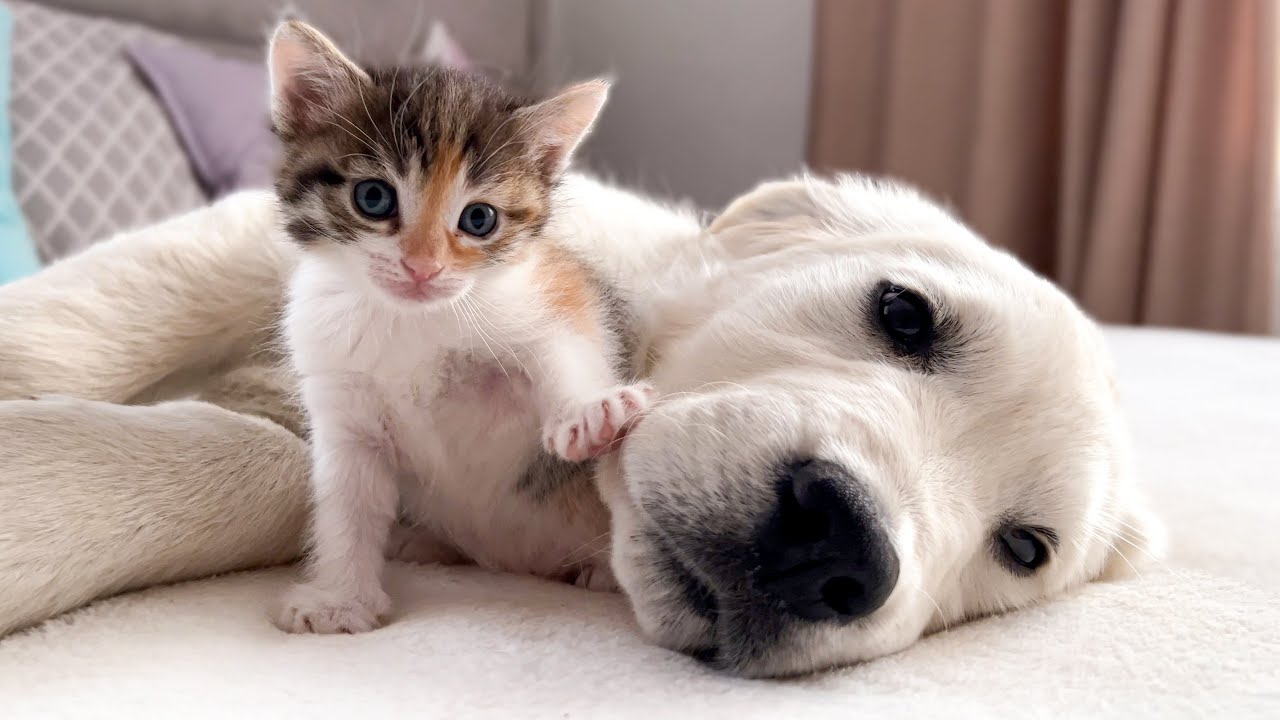
– Mutual Grooming: Friends lick each other’s face and ears, a classic social glue in the animal world.
– Shared Play: Chasing and pouncing together builds trust and coordination.
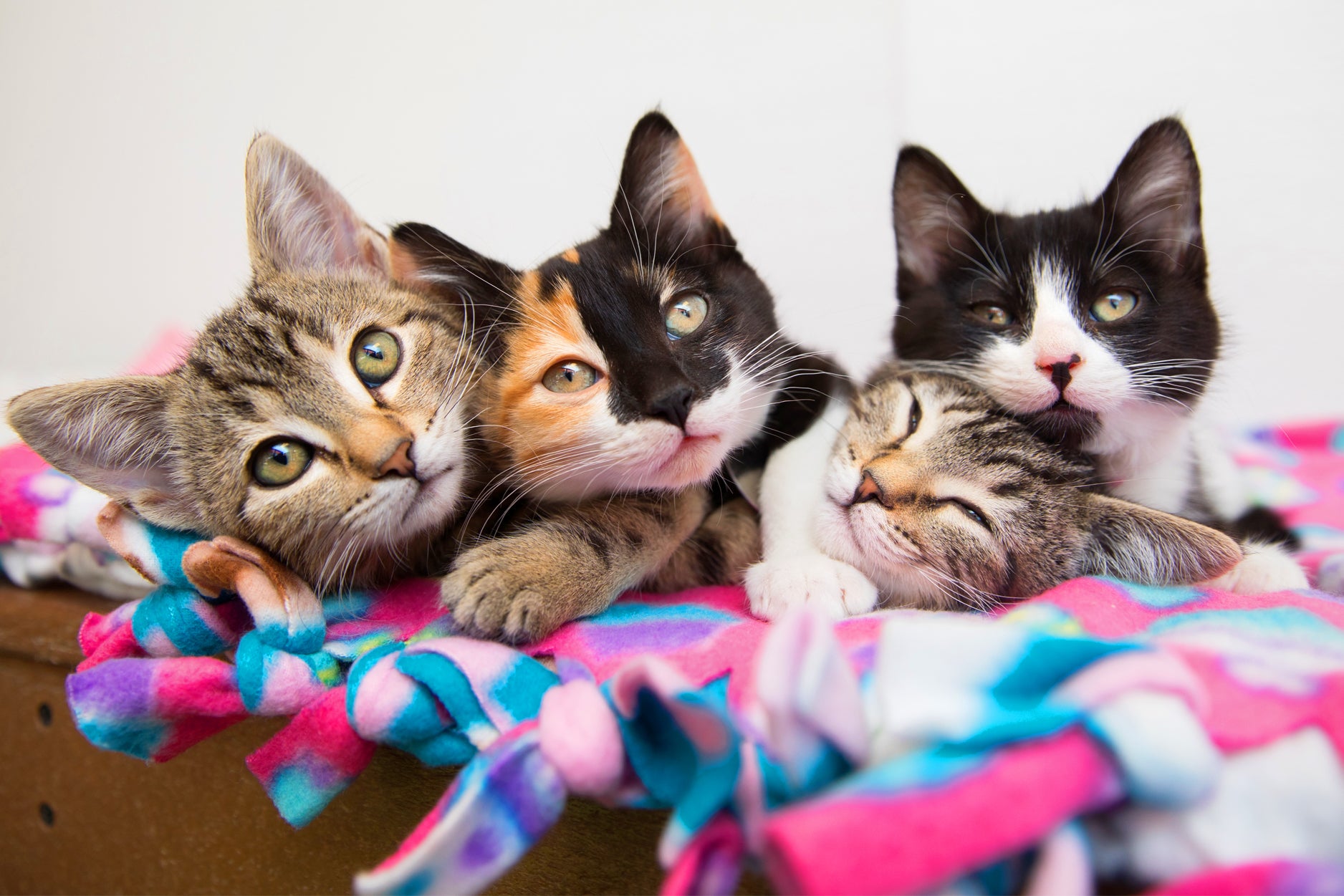
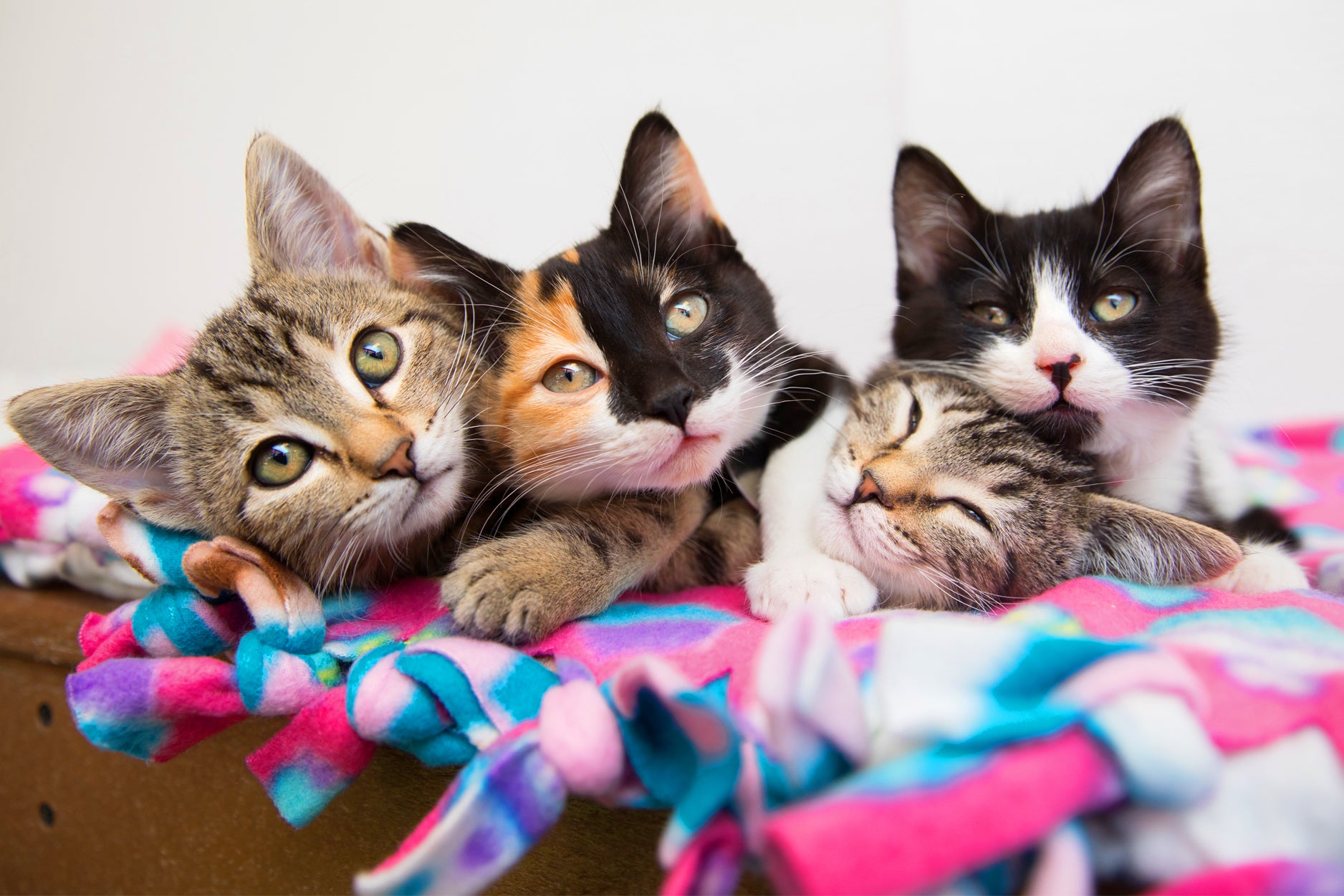
– Physical Closeness: Nuzzling, head resting, and tail wrapping show comfort in each other’s space.
– Consistent Company: The same duo is seen together day after day, proving the tie is more than coincidence.
The Impact on Kitten Development
Emotional and Social Benefits
Having a trusted playmate can shape a kitten’s outlook for life. Positive early friendships are linked to:
– Lower Stress: A familiar partner buffers new experiences and calms nerves.
– Sharper Social Skills: Regular, gentle interaction teaches boundaries and communication.
– Greater Overall Well-being: Contented kittens tend to eat, sleep, and explore with more confidence.
Physical Development
Active play with a friend encourages exercise, balance, and muscle growth. Kittens engaged in frequent, friendly rough-and-tumble often reach physical milestones sooner and maintain healthier weights.
Understanding Feline Social Dynamics
The Role of Socialization
Early friendships act as practice grounds for adult life. Through repeated friendly contact, kittens learn bite inhibition, reading body language, and negotiating shared resources—skills that later prevent fear or aggression.
The Influence of Environment
Space, enrichment, and the number of littermates all affect whether kittens seek best friends. Safe, stimulating surroundings with ample perch spots and toys promote positive encounters and lasting bonds.
Anecdotal Evidence
Real-Life Examples
Caregivers often report that kittens adopted together remain inseparable for years, grooming and playing long after adulthood. Shelter staff note reduced stress-related illness when young cats are housed with a preferred companion.
Conclusion
Summarizing the Findings
Kitten friendships challenge the myth of the aloof cat. These early alliances foster emotional stability, social savvy, and physical vigor, laying the groundwork for balanced adult cats.
Reiterating the Importance
Revisiting the Purpose
Recognizing the value of kitten companionship guides better fostering, adoption, and home-care strategies. Pairing young cats or keeping littermates together can improve welfare and ease transitions to new homes.
Future Research Directions
Proposing Further Studies
More work could explore:
– Long-Term Outcomes: Following bonded pairs into adulthood to measure lifelong benefits.
– Group Comparisons: Examining single kittens versus paired kittens to quantify social advantages.
– Environmental Variables: Testing how room layout, human interaction, and group size affect friendship formation.
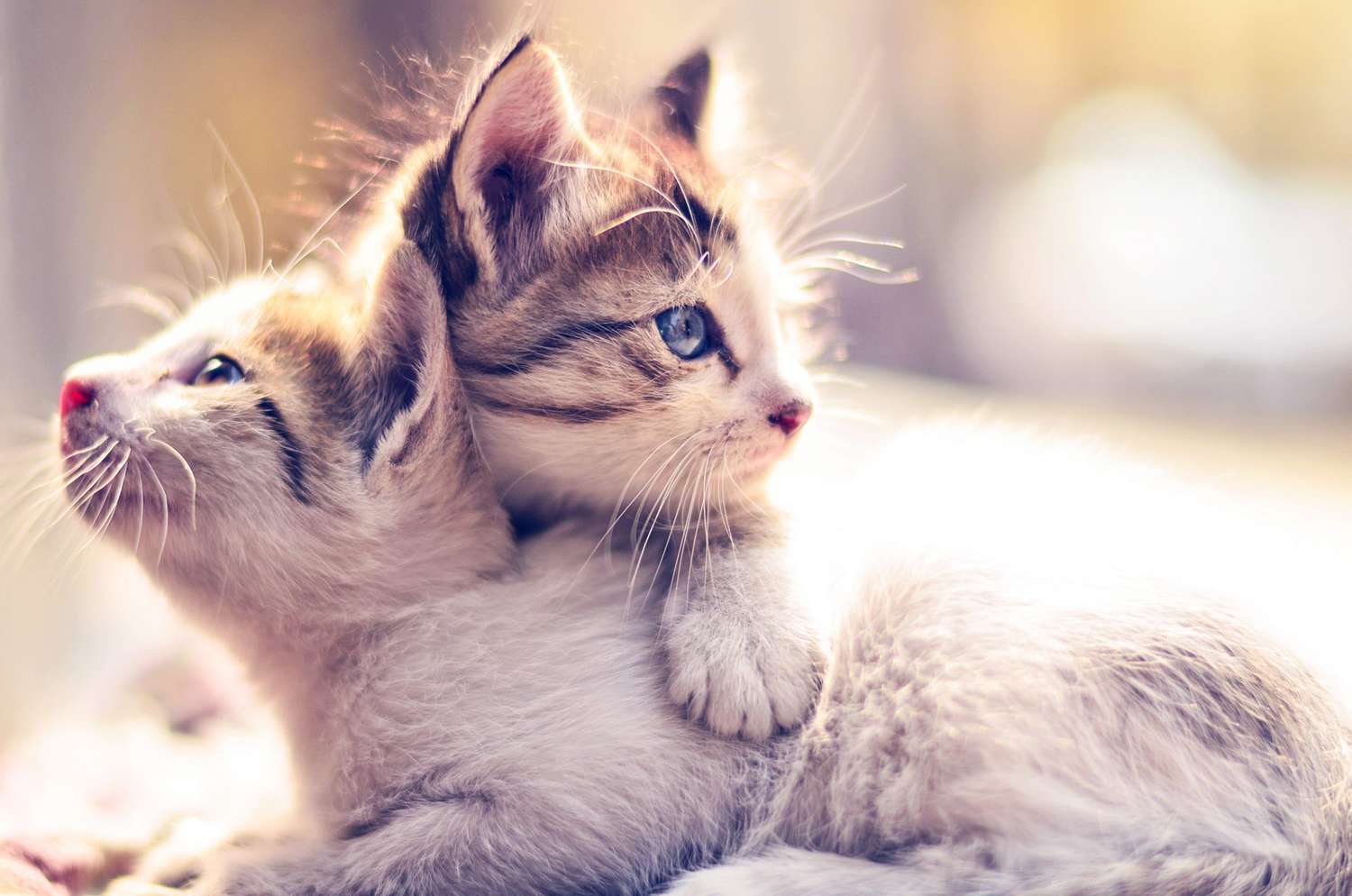
In short, kitten best friends offer a heartwarming window into the rich emotional lives of cats. Continued study promises deeper insight and, ultimately, happier cats everywhere.