
Title: A Balanced Look at a National Pet Chain’s Dog-Friendly Guidelines
Introduction:
Many shoppers have noticed that one of the country’s largest pet-supply retailers welcomes dogs in its aisles. The company’s approach to four-legged visitors influences how people travel with pets, what products fill their baskets, and how comfortable both animals and humans feel inside the store. This overview explores the main features of the policy, weighs its benefits, and considers the questions it raises for customers, staff, and animal advocates.
Understanding the Dog-Friendly Guidelines
The retailer’s rules are built around three ideas: safety, comfort, and product choice. Key points include:
1. Gentle Handling: Workers receive training on calm, low-stress interaction with visiting dogs. Leaning, lifting, or restraining animals is discouraged unless safety requires it.
2. Product Range: Shelves stock food, treats, toys, and accessories that meet industry safety standards. Clear labeling helps owners choose items suited to their pet’s size and dietary needs.

3. Store Layout: Wide aisles, water stations, and small rest areas create a relaxed atmosphere for dogs and their guardians.
Implications of the Policy
The guidelines ripple beyond the storefront:
1. Animal Welfare: By highlighting respectful treatment, the chain reinforces the idea that dogs are sentient companions, not merchandise.
2. Customer Loyalty: A welcoming environment encourages repeat visits and longer shopping trips, which can boost sales and positive word-of-mouth.
3. Brand Image: A consistent pet-friendly stance sets the chain apart from competitors and aligns it with growing public interest in humane business practices.
Supporting Evidence and Research
Independent work in animal behavior and consumer trends backs the value of such policies:

1. Behavioral studies show that unfamiliar handling can raise cortisol levels in dogs. Staff training that favors gentle guidance helps keep stress low.
2. National surveys indicate that the majority of pet guardians view their animals as family. Stores that acknowledge this bond often score higher in customer satisfaction.
3. Animal-welfare organizations note that visible, pet-friendly spaces may reduce impulse surrenders by normalizing outings and socialization.
Challenges and Concerns
Even well-intentioned rules face hurdles:
1. Consistency: Rolling out the same standards across hundreds of locations demands steady coaching and clear accountability.
2. Public Perception: Some visitors worry about allergies, accidents, or unruly dogs. Transparent signage and quick response protocols can ease these fears.
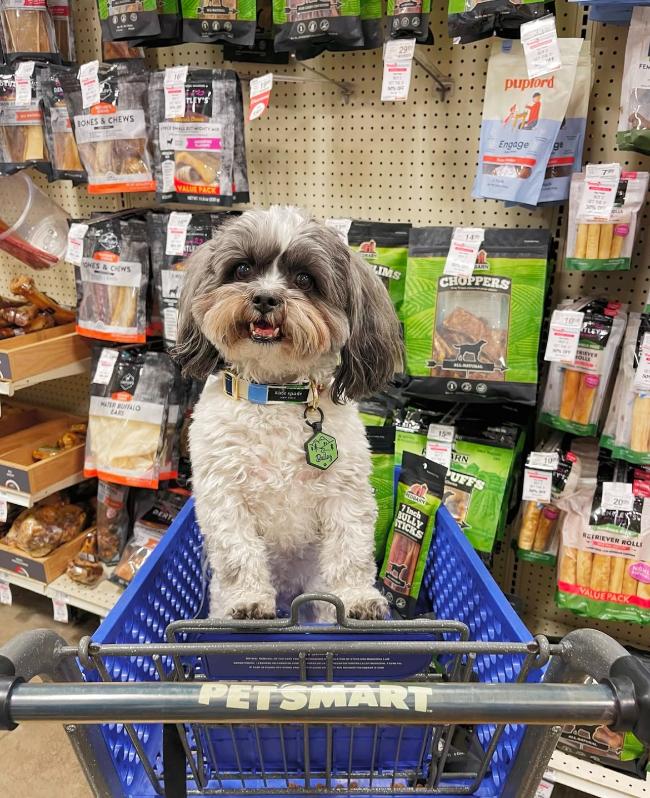
3. Health Screening: Allowing pets inside calls for visible vaccination reminders and on-site cleanup supplies to protect all animals and people.
Conclusion
The chain’s dog-friendly stance illustrates how retail can balance commerce with compassion. When staff are trained, products are safe, and rules are clear, dogs enjoy outings and owners leave with both supplies and smiles. Continued feedback from shoppers, employees, and veterinarians will help refine the approach, ensuring that aisles remain welcoming—and wagging—for years to come.
In short, thoughtful pet policies benefit everyone involved: animals, customers, and businesses alike. As more people embrace life with dogs, retailers that prioritize comfort and courtesy set a standard worth following.