


Bernedoodle: A Complete Guide to the Charming and Adaptable Companion
Introduction
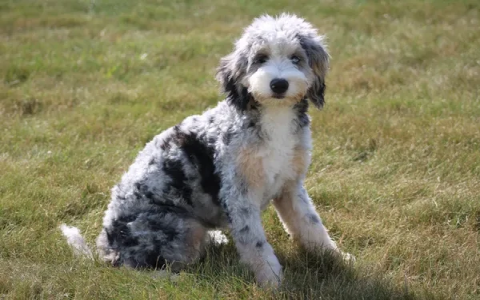
The Bernedoodle, a thoughtful mix of the Bernese Mountain Dog and the Poodle, has captured hearts across the country. This designer blend unites the steady devotion of the Bernese with the quick wit and low-shed coat of the Poodle, producing a dog that is as bright as it is affectionate. In the following pages you will discover how the breed began, what it looks like, how to keep it healthy, and why so many families find it irresistible.
History and Origin
Intentional breeding of Bernedoodles began a little over two decades ago. The aim was simple: combine a calm, family-oriented guardian with a highly trainable, allergy-friendly partner. By blending the centuries-old Swiss working dog with the elegant, clever Poodle, early breeders hoped to soften shedding, lengthen average lifespan, and keep the gentle, people-focused temperament intact.
Characteristics

Appearance
Most Bernedoodles stand roughly knee-high to mid-thigh and carry a sturdy, well-balanced frame. Their coats range from loose waves to tight curls and appear in classic tri-colour, phantom, sable, or solid cream. Dark, almond-shaped eyes give a warm, intelligent expression that invites conversation and cuddles alike.
Temperament
Steady, cheerful, and people-oriented, these dogs greet friends and strangers with equal enthusiasm. They learn household rules quickly and crave shared activities, whether that means hiking a trail or supervising homework at the kitchen table. Their patience with respectful children is legendary, and they usually coexist peacefully with other pets.
Health
While generally robust, Bernedoodles can inherit issues common to larger breeds—joint concerns, certain blood-clotting disorders, and occasional seizure activity. Routine vet visits, sensible exercise on forgiving surfaces, and portion-controlled meals go a long way toward prevention.

Care Requirements
Diet
A complete, age-appropriate kibble or balanced fresh diet keeps this energetic dog in ideal condition. Measure meals rather than free-feed, and limit rich treats to keep weight gain at bay.
Exercise
Two brisk walks, a spirited game of fetch, or a scent-work session each day satisfy their need for movement and mental stimulation. Many enjoy canine sports such as rally, agility, or dock diving.
Grooming
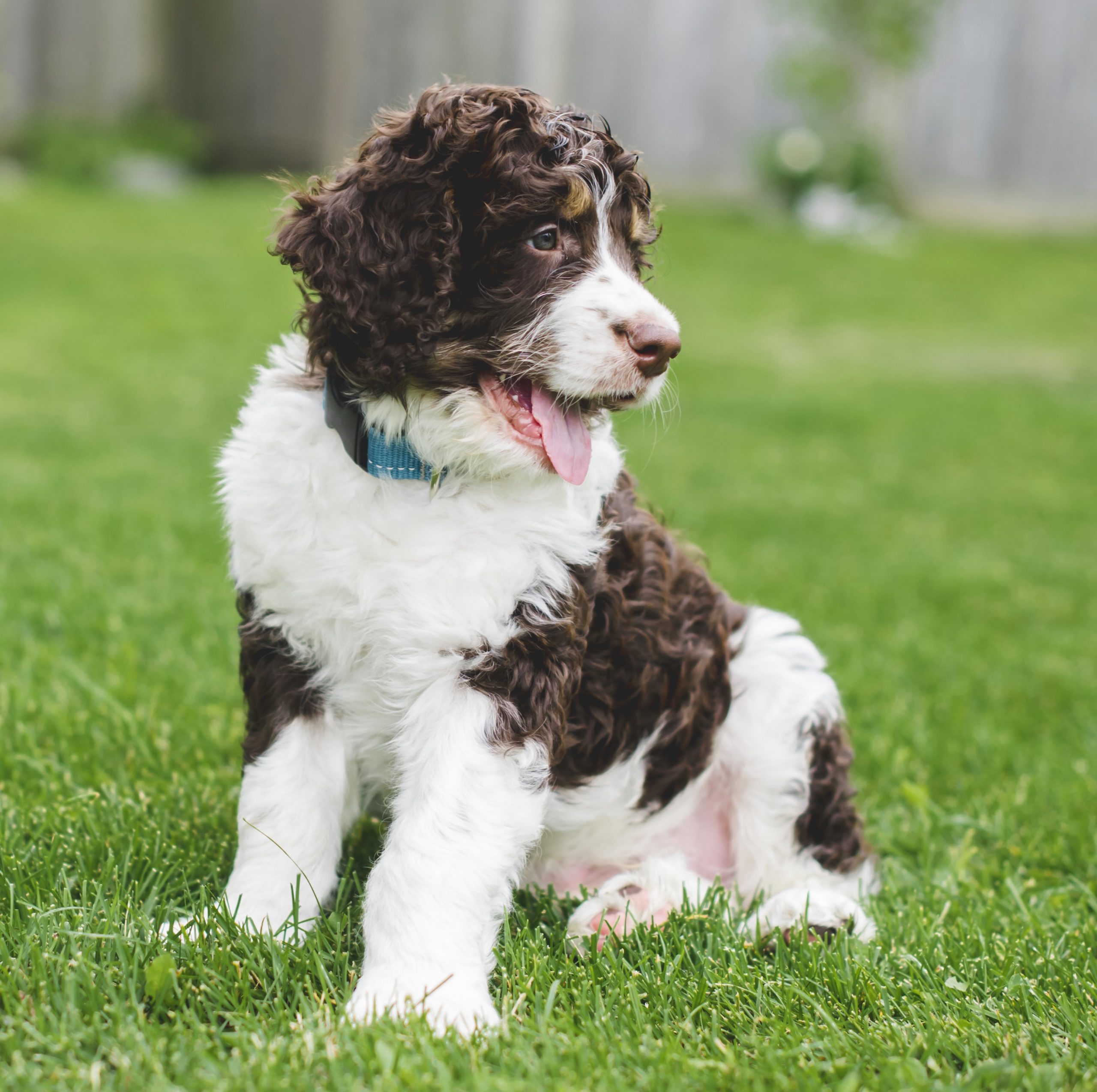
Brush through the coat two or three times a week to prevent tangles, and schedule professional trims every couple of months. Regular ear checks, tooth brushing, and nail grinding complete the care routine.
Benefits of Sharing Life with a Bernedoodle
Family Companionship
They thrive on togetherness—movie nights, backyard barbecues, and lazy Sunday mornings all feel brighter with a Bernedoodle leaning against your leg.
Intelligence and Trainability
Problem-solving comes naturally; many excel in therapy visits, trick titles, or assistance tasks because they love having a job and a spotlight.
Allergy-Friendly Coat
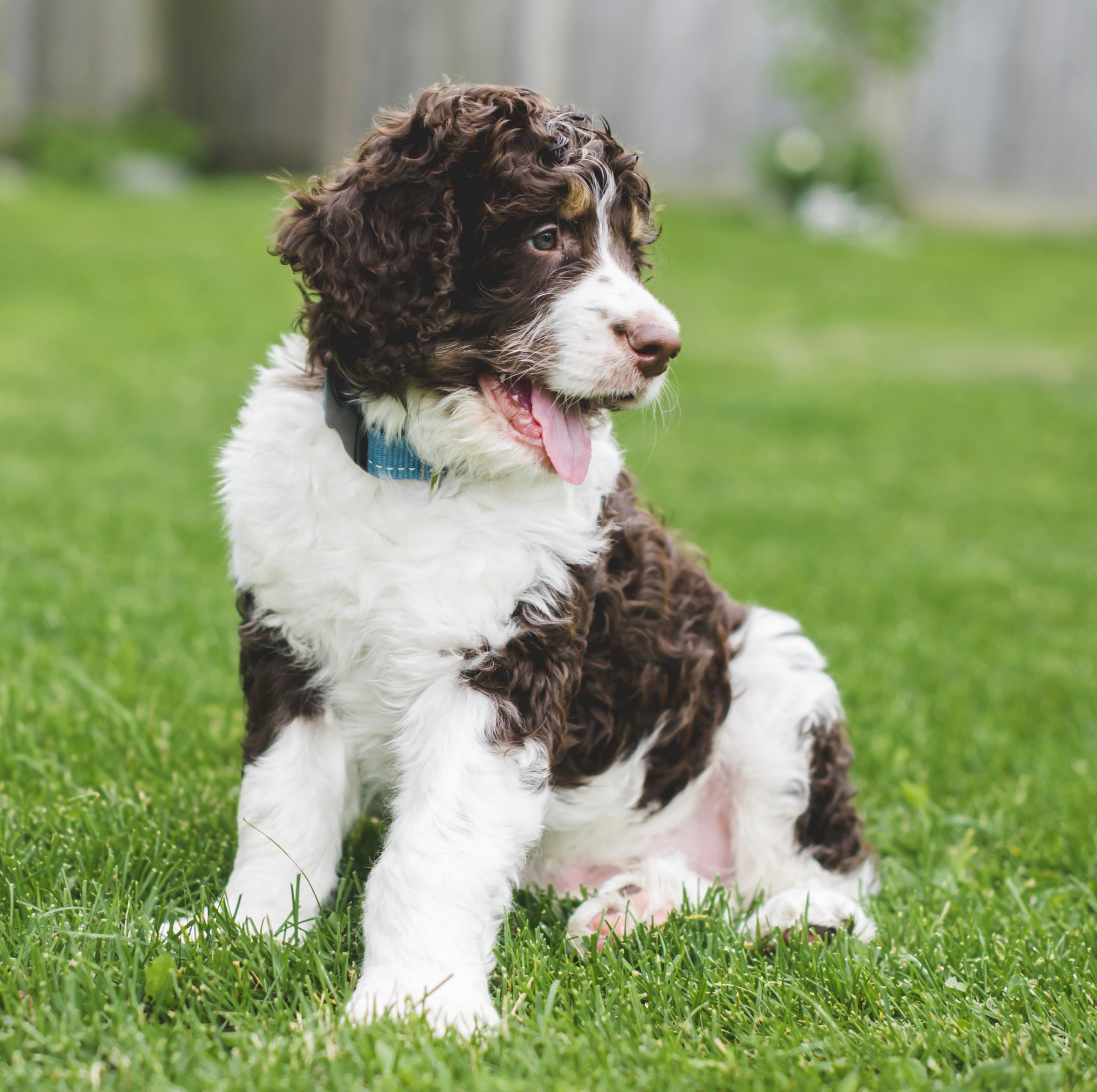
Though no dog is 100 % hypoallergenic, the Poodle influence greatly reduces dander and loose hair, making daily life easier for sensitive owners.
Adaptability
From city condo to country farmhouse, they adjust to any setting as long as exercise, affection, and a comfy spot on the sofa are provided.
Conclusion
A well-bred Bernedoodle offers the best of two celebrated purebreds: striking looks, steady nerves, quick intelligence, and a coat that rarely clogs the vacuum. With thoughtful care, consistent training, and plenty of love, this versatile companion will reward you with years of laughter, loyalty, and tail wags.

Future Research
Ongoing studies into hereditary health, optimal breeding coefficients, and the long-term success of Bernedoodles in service and therapy roles will help the community refine best practices and secure even healthier generations ahead.


