


Best Free Dog Training Apps: A Comprehensive Guide
Introduction
Training your dog is a key part of caring for a happy, balanced companion. Clear guidance helps keep your pet safe while deepening the bond you share. Mobile apps now put practical lessons in your pocket, offering quick access to expert tips anytime, anywhere. This guide reviews the leading no-cost training apps, outlining what each one does well so you can pick the tool that best fits your routine.
The Importance of Dog Training Apps
Smartphone apps have changed the way people teach and communicate with their dogs. Step-by-step videos, timed reminders, and built-in clickers make daily practice simple, even for busy owners. Free options are especially useful for anyone who wants reliable guidance without extra expense.
Top Free Dog Training Apps
1. Doggy Dan
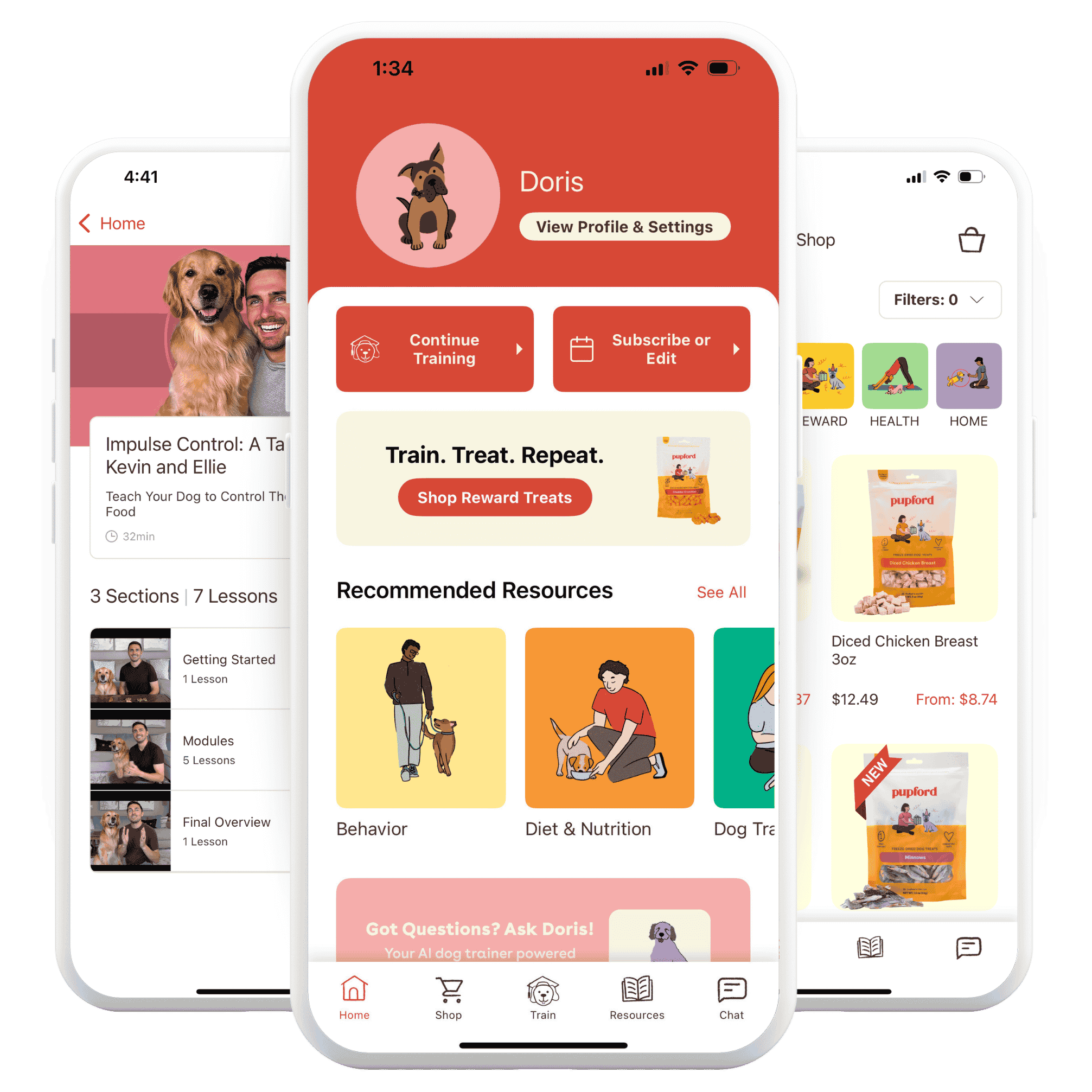
This library-style app packs hundreds of short lessons, covering everything from polite leash walking to calming excitable pups. Clear filming angles and slow-motion replays help you copy the exact timing of each cue.
2. The Dog Trainer
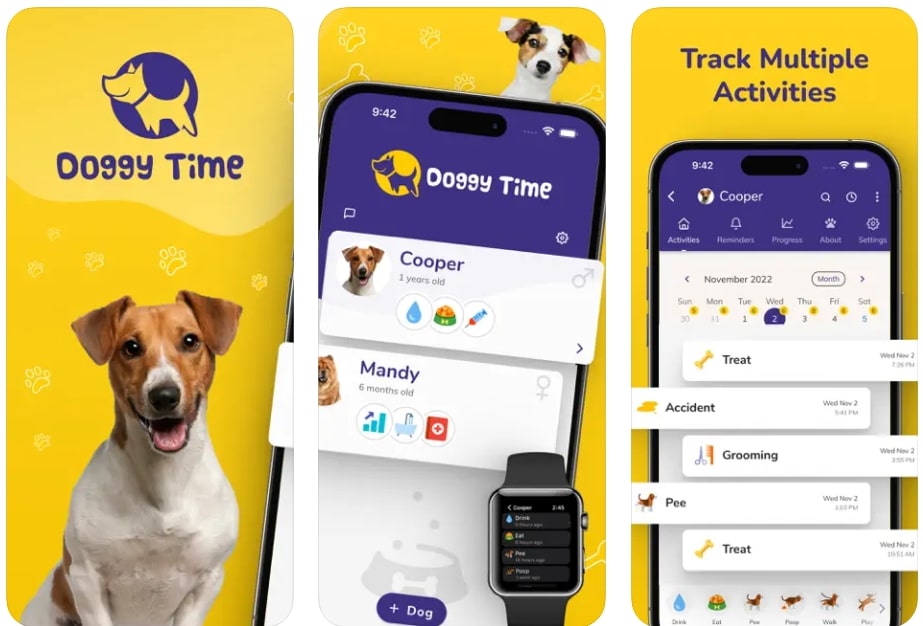
Built around quick five-minute games, this program tackles common nuisance behaviors such as door-dashing or excessive barking. Built-in quizzes check your knowledge, and a progress diary charts your dog’s improvements.
3. iCanine
After a short questionnaire about your dog’s age and energy level, iCanine auto-builds a day-by-day skill plan. Rewards-based methods keep sessions upbeat, while an in-app forum lets you swap success stories with other owners.
4. Doggy Day Care
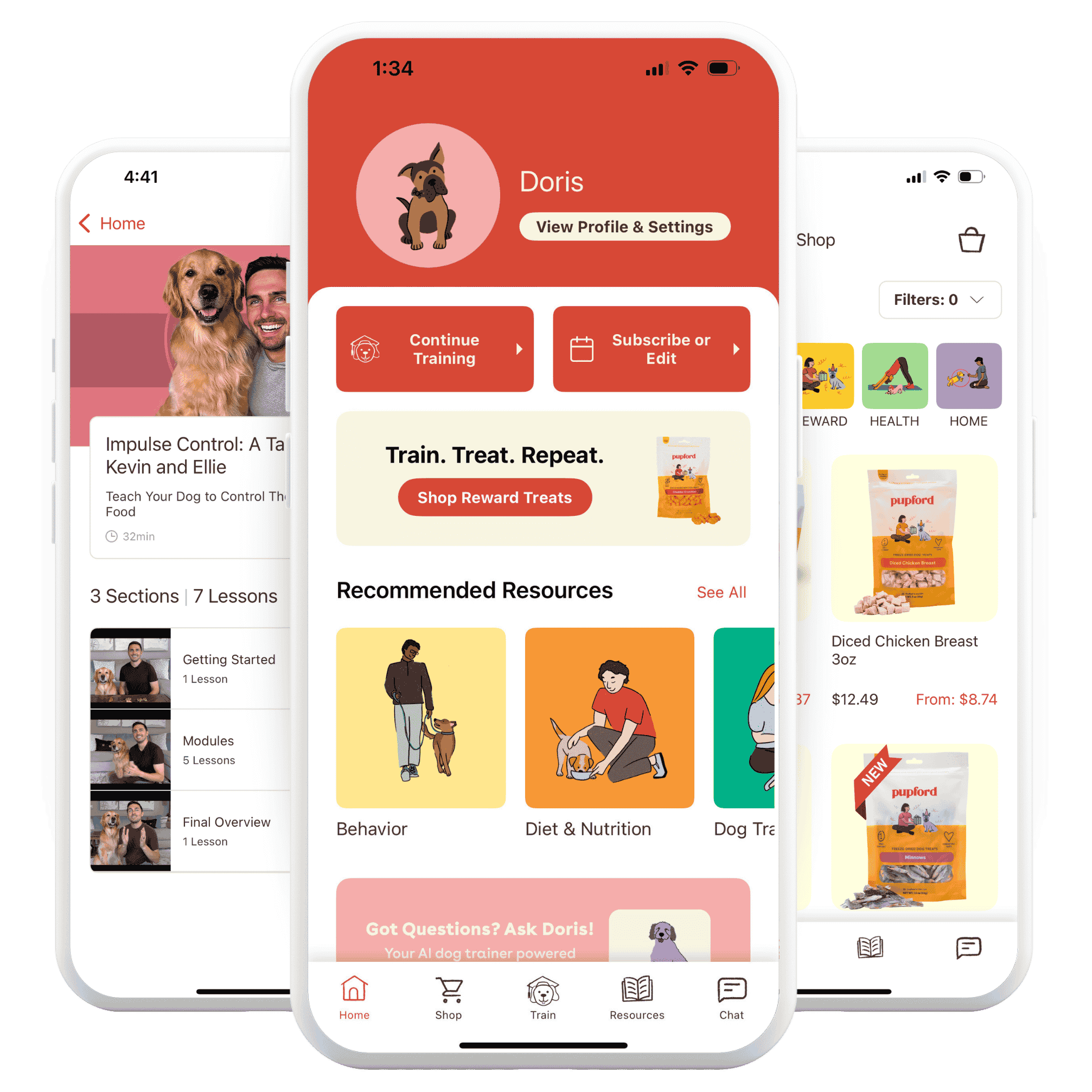
Designed for first-time trainers, this app strips exercises down to the basics: sit, down, stay, come, and heel. One-tap voice prompts free your hands for treats, and offline mode means you can train in the park without data.
5. PupSafe
PupSafe blends obedience drills with safety cues like “leave it” and “drop.” Animated flash cards explain canine body language, helping you spot stress early, and weekly photo challenges encourage you to share milestones.
Evaluating the Effectiveness of Dog Training Apps
Results depend on consistency, but three features separate the most useful apps from the rest:
1. Content Quality
Look for lessons grounded in modern, science-backed methods. Clear explanations of why an exercise works help you adapt it to your own living space and schedule.
2. User Experience
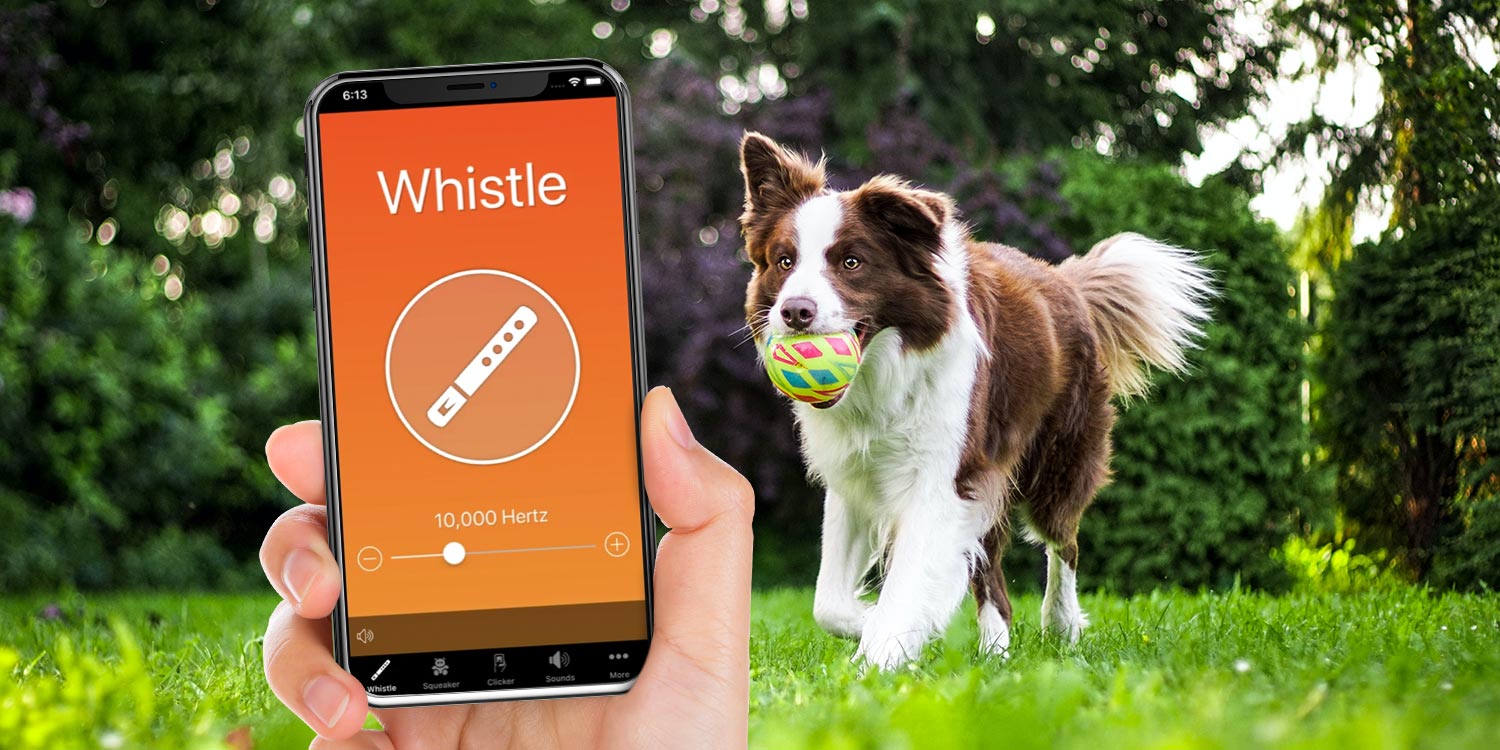
Large buttons, simple menus, and quick-loading videos matter when you have a wriggly puppy in one hand and a treat pouch in the other. Offline access and adjustable reminder alarms are added bonuses.
3. Positive Reinforcement
Apps that focus on marking good behavior and paying with food, toys, or praise create eager learners and avoid the fallout of punishment-based techniques.
Conclusion
Free training apps give every owner the tools to teach house manners, fun tricks, and life-saving cues without paying a cent. Choose the platform whose style matches your pace, log a few short sessions each day, and watch your dog’s confidence—and your own—grow side by side.
Recommendations and Future Research
Developers can make these tools even more powerful by:
– Adding streak counters and achievement badges to keep motivation high.
– Allowing users to customize lesson length for tiny attention spans or senior dogs.
– Inviting certified trainers to host live Q&A sessions inside the app.
Long-term studies comparing app-only training with blended online-plus-in-person programs would also help refine best practices, ensuring that digital guidance continues to support happy, harmonious homes for dogs and people alike.


