Title: The Great Dane–Pitbull Mix Puppy: A Friendly Guide
Introduction:
The Great Dane–Pitbull mix, often nicknamed the Danebull, has become a favorite among families looking for a large, affectionate companion. This cross blends the calm, easy-going spirit of the Great Dane with the devotion and alertness of the Pitbull. Below, we explore the puppy’s background, looks, personality, health outlook, and training needs so you can decide if this gentle giant fits your home.
Origin and History
Intentional crossings of Great Danes and Pitbulls began a few decades ago, when enthusiasts hoped to merge the impressive stature of the Dane with the steady confidence of the Pitbull. Both parent breeds have long histories as loyal working partners, so the mix was designed to keep the best of each world: size and sweetness from the Dane, courage and heart from the Pitbull.
Physical Characteristics
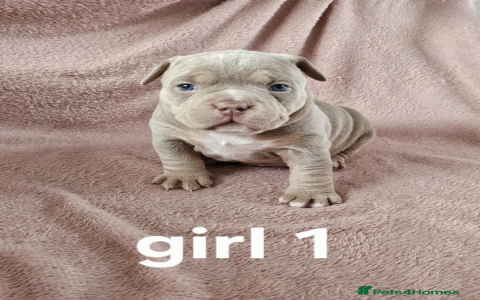
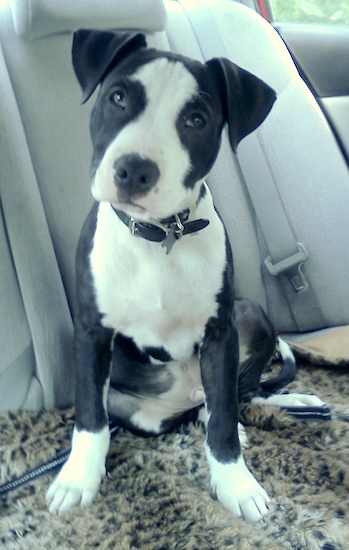
Danebull pups usually grow into tall, athletic dogs with broad chests and strong limbs. Their short, glossy coat can show almost any color—solid, patched, or brindled—and requires only weekly brushing. Heads are wide and expressive, ears may stand or fold, and tails tend to be long and tapered, giving the dog a balanced, graceful outline.
Temperament
Most Danebulls are people-oriented, patient with children, and eager to stay close to their humans. They often inherit the Dane’s relaxed indoor manners and the Pitbull’s desire to protect loved ones, resulting in a watchful yet welcoming friend. Early, positive exposure to new sights, sounds, and friends helps ensure a confident, even-tempered adult.

Energy levels vary: some youngsters are mellow couch companions, while others need active play sessions and brain games. Consistent guidance from day one prevents over-exuberance and nurtures a polite family member.
Health Concerns
Large, deep-chested breeds can face joint issues and heart conditions, so routine vet visits, portion-controlled meals, and moderate exercise are key. Keeping your Danebull lean, rather than overly heavy, lowers stress on growing bones and supports a longer, healthier life.
Because mixed dogs can show a wide range of traits, choose breeders who screen for common problems and welcome questions about parent health clearances.
Training and Exercise Requirements
Begin lessons the moment your puppy arrives. Short, upbeat sessions work best; these smart dogs bore quickly if drills drag. Reward calm behavior, practice loose-leash walking, and rotate puzzle toys to satisfy their curious minds.
Plan for at least two brisk walks or play periods daily—fetch, tug, or agility keep muscles toned and minds content. A tired Danebull is a well-mannered Danebull, less likely to chew furniture or bark for attention.
Conclusion
A well-bred, well-trained Danebull offers size, loyalty, and a loving heart in one striking package. Provide clear rules, daily exercise, and plenty of affection, and you will gain a steady companion ready for hikes, movie nights, and everything in between.
Before bringing a puppy home, meet the parents, review health records, and honestly assess your schedule. With responsible ownership, this charming crossbreed can flourish in a house or spacious apartment and reward you with years of gentle devotion.
Continued study into exercise needs, optimal diets, and lifelong health tracking will help future owners keep Danebulls thriving for generations to come.