


Title: How the Pet Industry Shapes Economy and Everyday Life
Introduction
From leashes to luxury beds, the pet sector has expanded steadily for years, turning furry companions into a powerful economic engine. This overview examines how the industry fuels employment, influences shopping habits, and enriches social life.
The Economic Impact of the Pet Industry
Annual spending on pets now reaches a sizable share of consumer budgets, with year-on-year increases outpacing inflation. Rising disposable income, smaller households, and a focus on wellness all feed the sector’s momentum.
Job Creation and Economic Growth
Millions of positions—ranging from nutrition scientists to mobile groomers—depend on pet-related demand. Each new boutique or veterinary clinic supports suppliers, transporters, and local service providers, multiplying the economic ripple.
When owners open their wallets for food, toys, or check-ups, that money flows through farms, factories, shops, and clinics, boosting neighborhood economies and public revenues alike.
The Social Impact of the Pet Industry
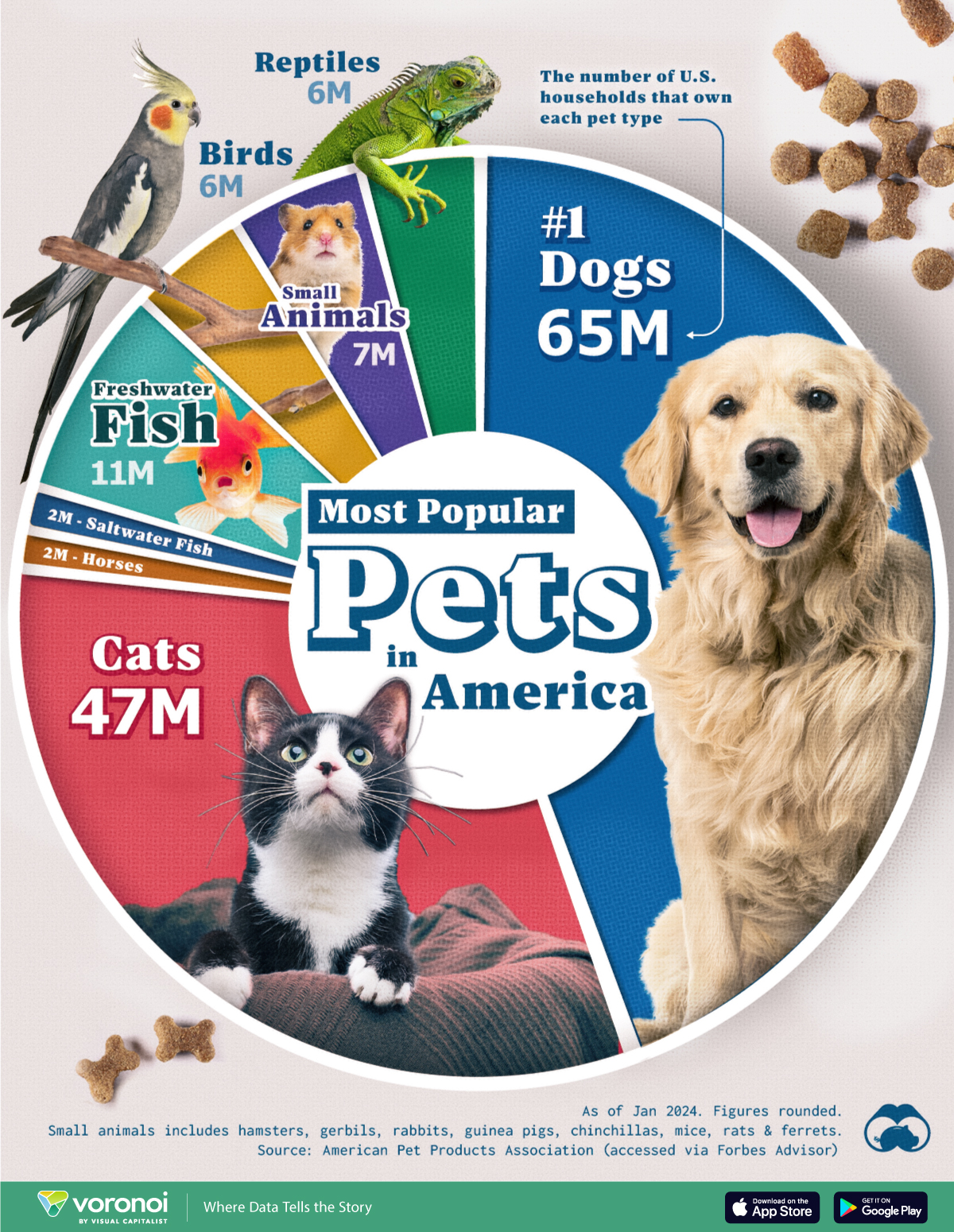
Beyond dollars and cents, pets shape how people interact, cope with stress, and build communities.
Pet Ownership and Mental Health
Studies link caring for animals with lower stress markers and improved mood. Daily walks, play sessions, and simple companionship offer structure and emotional comfort in an increasingly digital world.
Pets and Social Relationships
Dog parks, training classes, and adoption events double as social arenas where neighbors meet, friendships form, and support networks grow, strengthening the fabric of local life.
The Role of Pets in Consumer Behavior
Modern shoppers treat companions like family, seeking organic meals, smart feeders, and even spa treatments. This shift drives brands to innovate, creating premium lines and tech-enabled care that mirror human lifestyle trends.
Challenges and Future Outlook
Growth brings responsibility: ensuring humane breeding, reducing overcrowded shelters, and educating owners about long-term commitment remain urgent tasks.
Looking ahead, aging populations, urban pet-friendly policies, and wearable health tech should keep demand strong, provided the industry balances profit with welfare.
Conclusion
The pet sector’s economic footprint and social influence continue to expand, enriching households and neighborhoods across the country. By championing ethical standards and continuous innovation, it can sustain its positive impact for generations to come.
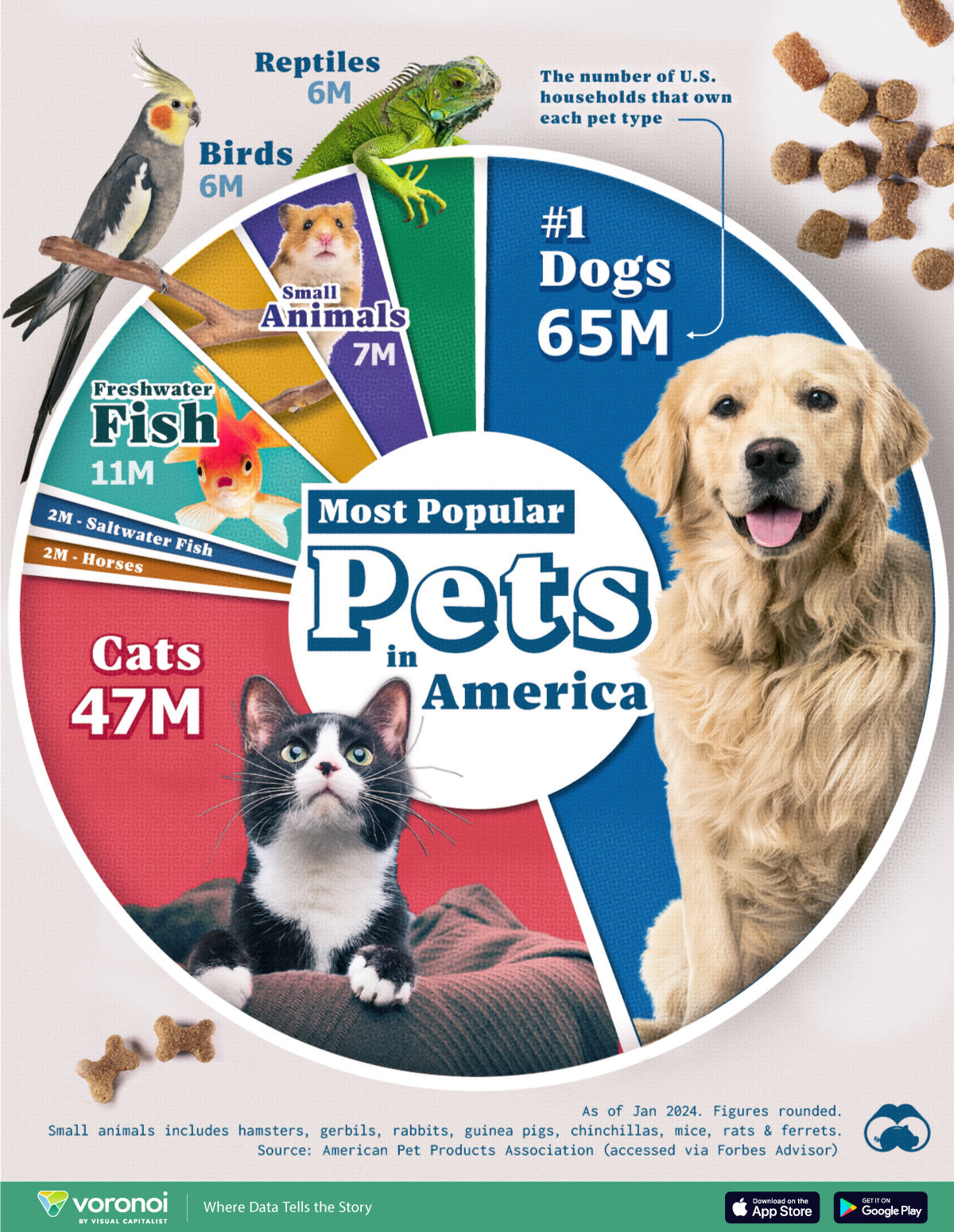
Ultimately, the bond between people and animals has become a cornerstone of modern life—supporting livelihoods, easing stress, and knitting communities together. Nurturing that bond responsibly ensures the industry remains a source of shared prosperity and everyday joy.


