



The Impact of Home-Setting Puppy Photos on Adoption Outcomes
Introduction
Pet adoption—especially of dogs—has grown steadily in recent years. As online networks flourish, shelters increasingly share images that place puppies in everyday home surroundings. These snapshots give future guardians a preview of how a youngster might fit into their own routines. This overview examines how such photos shape adoption success, highlighting their value, advantages, and possible pitfalls.
The Importance of Home-Setting Puppy Photos
1. Building Trust and Connection
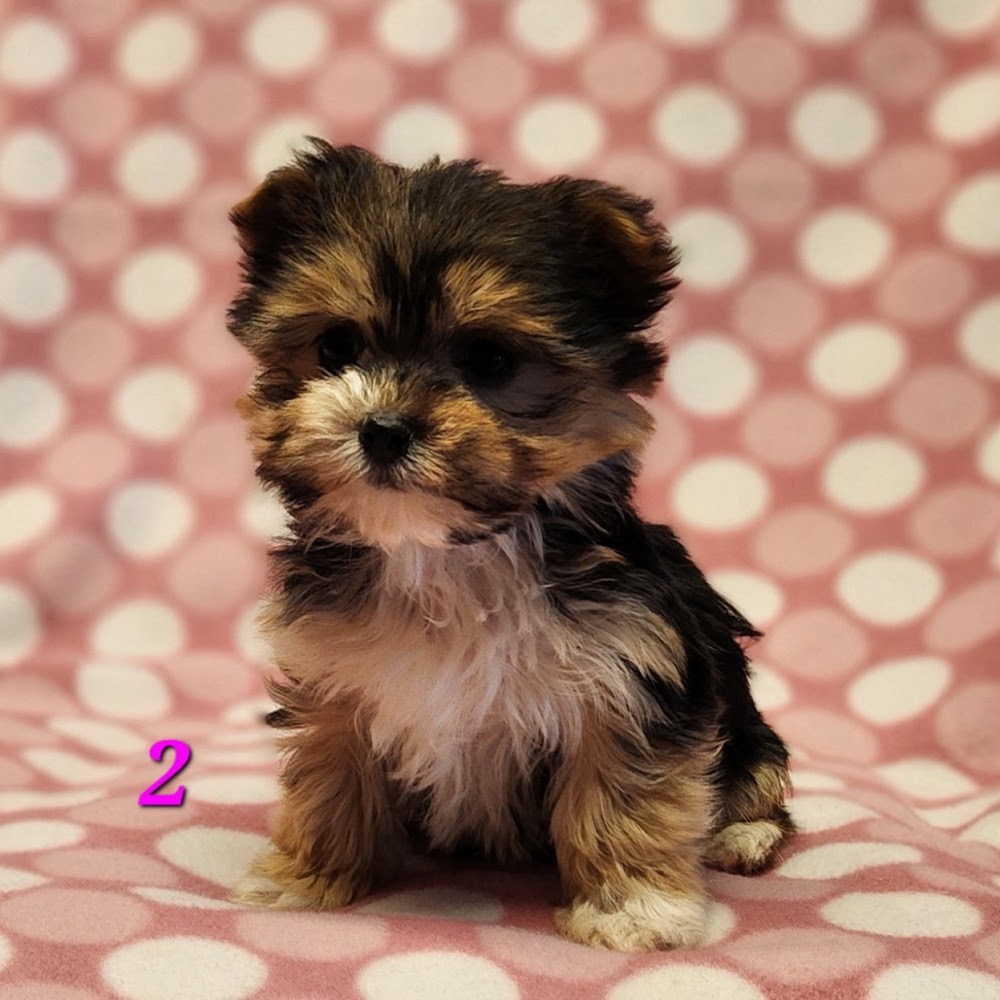
Photos that show puppies relaxing in a domestic setting foster an immediate sense of trust. Viewers can picture the dog curled on their own sofa, shortening the emotional distance between “ shelter animal” and “family member.”
2. Offering a Fuller Picture
By including background details—soft bedding, toys, or gentle interaction with volunteers—the images reveal temperament and size more clearly than a standard kennel shot ever could.
3. Promoting Thoughtful Choices
When people see a puppy engaged in ordinary activities, they are reminded that adoption is a long-term commitment, encouraging reflection on lifestyle, time, and budget before they apply.
Benefits of Home-Setting Puppy Photos
1. Higher Adoption Rates
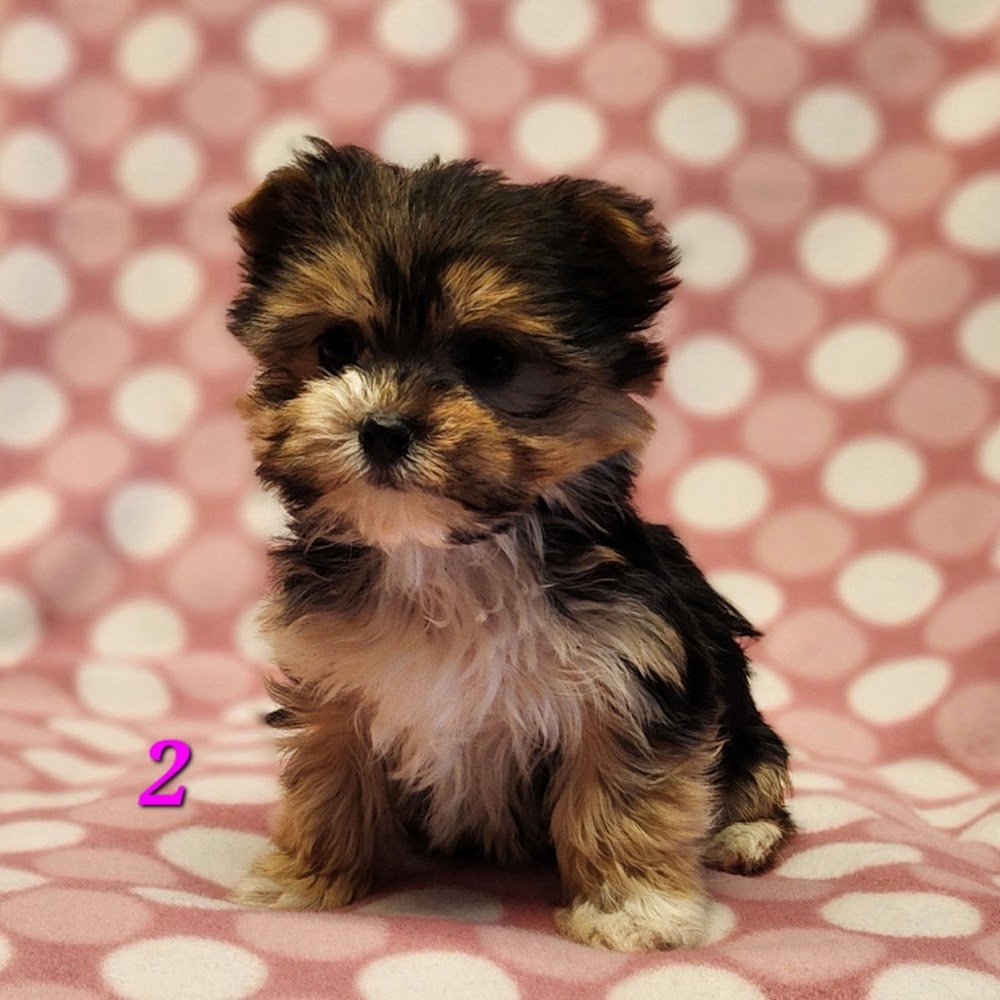
Shelters that replace stark metal cages with cozy living-room scenes routinely report faster inquiries and shorter shelter stays.
2. Greater Transparency
Honest visuals reduce surprises at the first meet-and-greet, building goodwill toward the organization and lowering return rates.
3. Better Matches
A playful pup photographed beside children’s blocks signals kid-friendly energy, while a calm companion on a quiet rug appeals to retirees—helping adopters self-select the right fit.
Challenges and Considerations

1. Ethical Presentation
Care must be taken to avoid stressful props, harsh lighting, or forced poses; the puppy’s comfort should always come first.
2. Risk of Skewed Impressions
A single cute moment cannot capture every quirk. Clear captions and follow-up conversations remain essential to set realistic expectations.
3. Resource Demands
Staging, photographing, and editing take staff hours. Organizations need to weigh these costs against other care priorities.
Conclusion
Home-style puppy photos can speed up adoptions and create lasting bonds, provided they are produced responsibly and paired with honest dialogue. When shelters balance creativity with transparency, everyone—dogs and humans alike—benefits.
Recommendations and Future Research
To refine this tool, consider the following steps:
1. Draft welfare-first guidelines for staging and photographing puppies.
2. Pair each image with concise, accurate notes on energy level and training needs.

3. Track outcomes—length of stay, return rate, and adopter satisfaction—to measure real impact.
Future studies could explore:
1. Which backgrounds (kitchen, yard, playroom) resonate most with different adopter demographics.
2. Whether positive photo experiences reduce stress-related behaviors in young dogs.
3. How consistent photo standards influence overall shelter reputation and community trust.
By testing, learning, and adjusting, rescue groups can keep improving the journey from homeless puppy to beloved companion.


