The Role of Boxer Breeders: A Comprehensive Overview
Introduction
Boxers, admired for their expressive faces and loyal personalities, rank among the most beloved companion dogs. Enthusiastic communities of breeders across the country safeguard the future of this energetic breed. This overview examines how dedicated breeders shape the Boxer’s continued development, the obstacles they confront, and the value of their work in preserving the breed’s classic traits.
The Importance of Dedicated Boxer Breeders
Responsible breeders carefully plan each litter, balancing temperament, health, and conformation to protect the breed’s heritage. By maintaining genetic diversity, they reduce the risk of inherited disorders and keep future generations vigorous. Their day-to-day efforts also set the standard for ethical practices that newcomers to the breed are encouraged to follow.
Contributions to the Breed’s Development
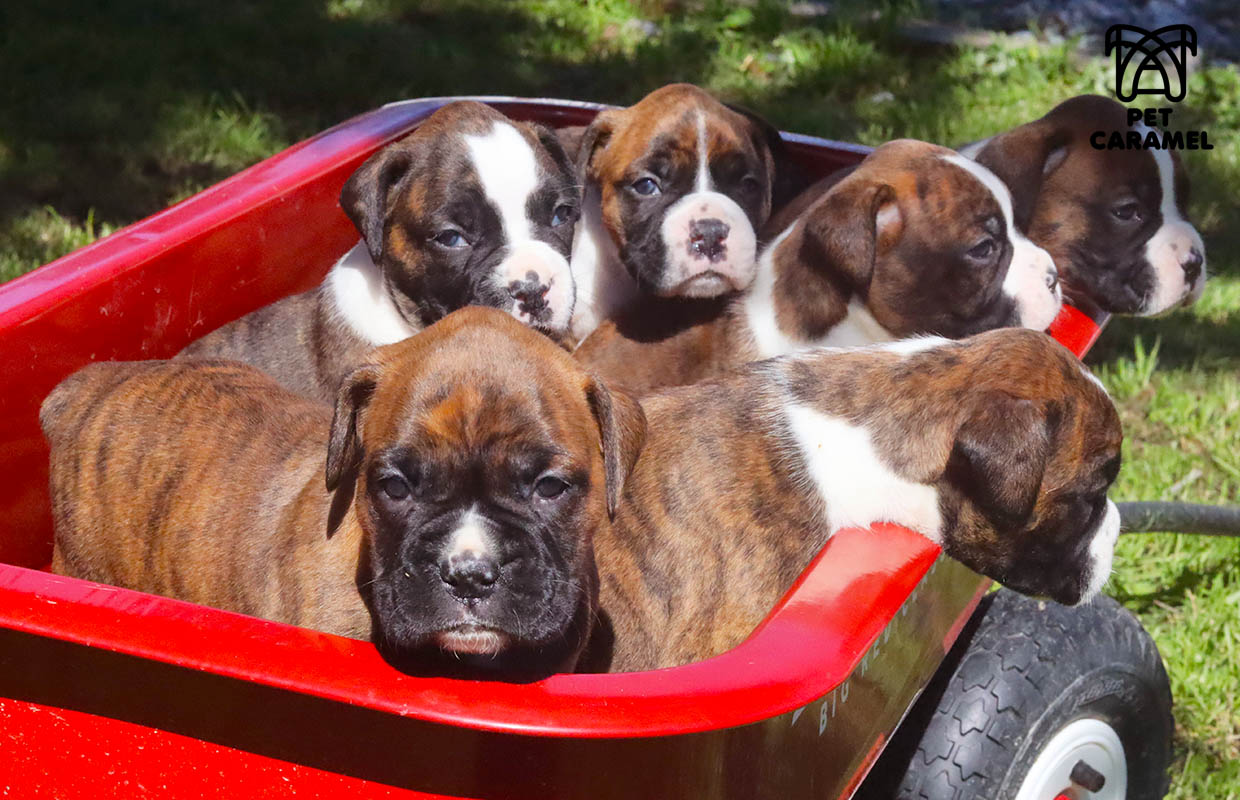
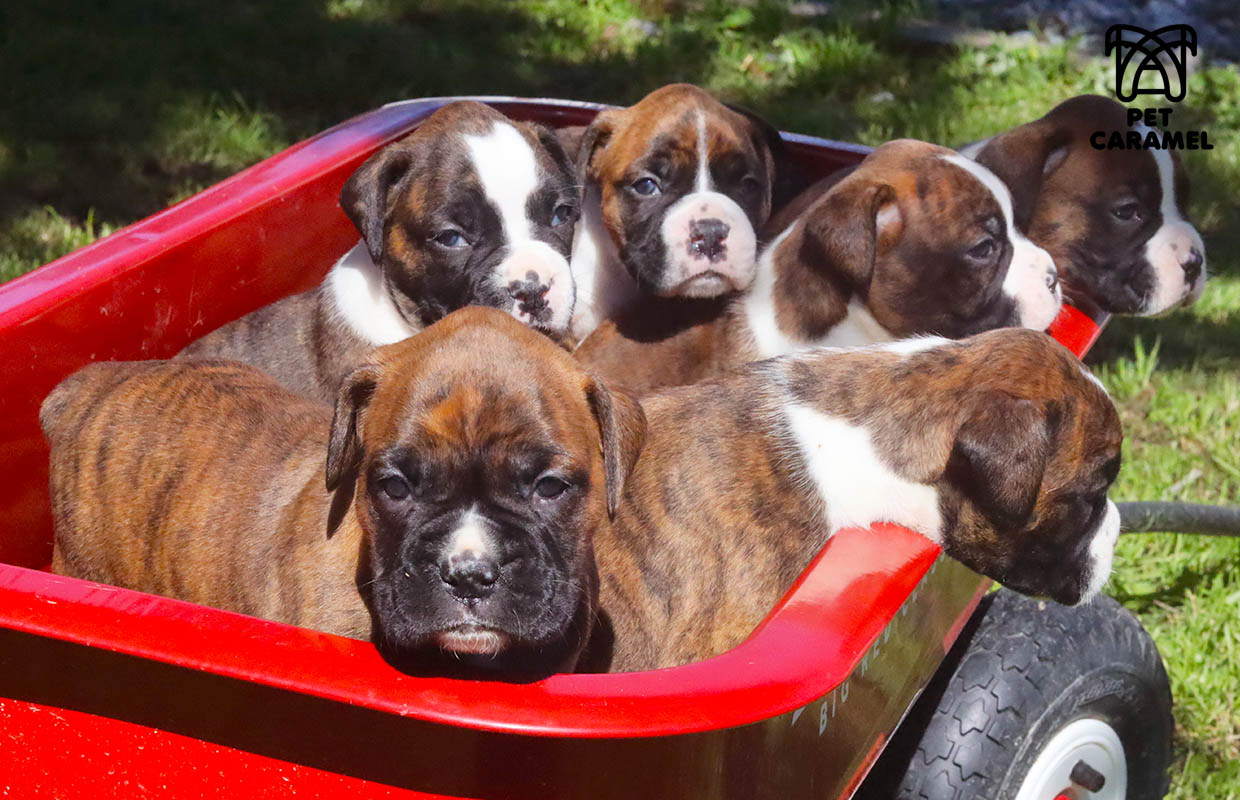
Through selective pairings, breeders have refined the Boxer’s stable temperament and unmistakable look—muscular frame, alert expression, and that characteristic undershot jaw. Consistent health screenings have lowered the incidence of certain heart and hip conditions, while socialization programs produce confident, family-friendly dogs that excel both at home and in the show ring.
Challenges Faced by Responsible Breeders
Hereditary illness remains a top concern; screening every prospective parent demands time, scientific data, and significant expense. Meanwhile, mass-production kennels that skip health tests can flood the market with lower-quality puppies, misleading buyers and threatening the breed’s reputation. Rising costs of veterinary care, quality nutrition, and safe housing add further pressure on ethical breeders who refuse to cut corners.
The Importance of Responsible Breeding Practices
Sustainable breeding rests on several pillars:
– Matching pairs according to documented health clearances, stable temperaments, and breed-standard structure.
– Providing lifelong veterinary care, including genetic tests and regular wellness exams.
– Raising puppies in enriched environments that encourage mental and physical development.
– Guiding new owners on training, exercise, and long-term healthcare commitments.
The Role of Breeders in Promoting the Breed
Breed clubs organize shows, performance events, and community meet-ups that showcase the Boxer’s versatility—from agility and obedience to therapy work. Many breeders also partner with rescue networks, offering rehabilitation or temporary foster care so that every Boxer can find a safe, permanent home.
Conclusion

Passionate breeders remain the stewards of the Boxer’s past, present, and future. Their commitment to health testing, ethical standards, and owner education ensures that each new generation embodies the breed’s trademark blend of athleticism, intelligence, and affection.
Recommendations and Future Research
To strengthen these efforts, stakeholders can:
– Adopt a unified code of ethics that prioritizes genetic diversity and transparent health records.
– Foster collaboration among breeders, veterinarians, and welfare groups to share data on hereditary conditions.
– Support ongoing studies that pinpoint emerging health risks and develop evidence-based prevention plans.

In sum, conscientious breeders form the backbone of the Boxer’s continued success. By facing challenges head-on and championing responsible practices, they guarantee that this charismatic breed will thrive alongside families for decades to come.