



Pitbull Pricing Overview: A Practical Guide
Introduction
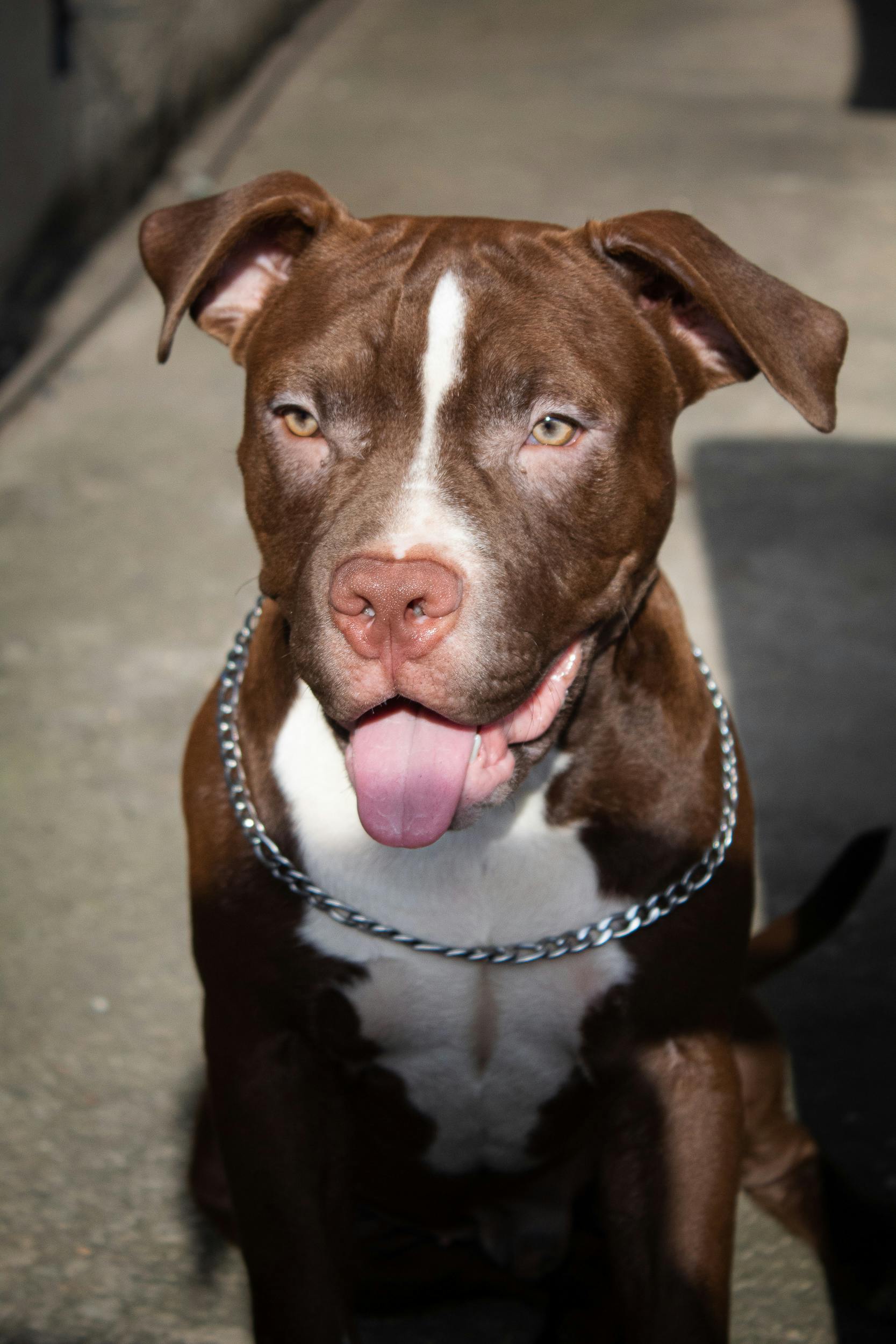
The Pitbull, admired for its devotion and athletic build, has become a sought-after companion in many households. Across regions where pet ownership is growing, interest in this breed continues to rise. Because prices can differ widely, prospective guardians benefit from understanding what drives the cost. This overview outlines the main elements that shape Pitbull pricing and offers balanced insight for anyone considering welcoming one of these dogs into their home.
The Pitbull Breed
Pitbulls trace back to 19th-century crosses bred for strength and agility. Today, the term usually covers three closely related varieties: the American Pitbull Terrier, the American Staffordshire Terrier, and the Staffordshire Bull Terrier. All share a common reputation for intelligence, courage, and deep loyalty to their families.
Factors That Shape Pitbull Prices

1. Breeder Practices
Ethical breeders who health-test parent dogs, provide early socialization, and offer lifetime support typically set higher fees. Their commitment reduces future medical risks and helps ensure stable temperaments. In contrast, informal sources may post lower prices, but long-term healthcare costs can offset any initial savings.
2. Lineage and Documentation
Puppies descended from titled show or working lines often command premium rates. Verified pedigree papers give buyers confidence in predictable traits and genetic health. Dogs without traceable ancestry are usually less expensive, though individual quality can still be high.
3. Age and Development Stage
Young puppies eight to sixteen weeks old are generally priced highest because new owners can guide their formative training and socialization. Adolescents or young adults may cost less, while seniors or rescued individuals are frequently available for minimal adoption fees.

4. Health Screenings and Vaccinations
Puppies that arrive with up-to-date vaccinations, deworming schedules, and veterinary health certificates reflect the breeder’s investment in preventive care. This upfront attention lowers the buyer’s risk of early medical issues and adds to the asking price.
5. Local Demand and Availability
In areas where Pitbulls are fashionable, demand can outpace responsible supply, nudging prices upward. Conversely, regions with adoption events or breed-specific rescues may offer more budget-friendly options. Seasonal trends—such as holiday gifting—can also create short-term price swings.
Typical Price Range
While exact figures fluctuate by city and currency, buyers should expect to budget anywhere from the equivalent of a few hundred to over a thousand dollars for a well-bred puppy. Adoption fees for rescued adults often fall well below that range, and many include initial veterinary work.
Conclusion
Price is only one piece of the puzzle. A reputable source, transparent health history, and a good match for your lifestyle matter far more than the initial sticker figure. By focusing on welfare and long-term compatibility, future guardians can welcome a healthy, balanced Pitbull into their lives.
Tips and Next Steps
Prospective owners should visit breeding facilities or foster homes, meet parent dogs when possible, and request written health guarantees. Supporting local rescue groups is another rewarding route. Continued research into training resources, exercise needs, and breed-specific legislation will help create a safe, enriching environment for these energetic companions.


