
The Role and Impact of Rescue Centers in Animal Welfare
Introduction
Rescue centers have become essential pillars of animal welfare, offering refuge to creatures in crisis and a fresh start in life. These facilities rehabilitate and rehome animals while fostering public understanding of humane treatment. This article examines why rescue centers matter, how they function, the obstacles they encounter, and the wide-ranging benefits they deliver to animals and communities alike.
The Significance of Rescue Centers
Rescue centers act as a safety net for animals that have been lost, injured, or left behind. They supply medical attention, food, and safe shelter. Their value can be seen in three main ways:
1. Saving Lives

By removing animals from dangerous streets or neglectful situations, centers protect them from traffic, predators, and extreme weather. A secure space and steady care give each creature the time it needs to recover and, eventually, find a new family.
2. Rehabilitation and Rehoming
Beyond emergency rescue, staff and volunteers treat illnesses, heal injuries, and gently correct behavioral problems. Once animals are healthy and confident, they are matched with adopters, easing shelter crowding and giving more animals a chance at life.
3. Raising Awareness
Through open days, school visits, and online stories, rescue centers teach people about responsible guardianship, the commitment pets require, and the rewards of adoption. This ongoing education nurtures a culture of kindness and respect toward all living beings.
Operations of Rescue Centers

Running a rescue center involves many moving parts, all focused on animal wellbeing:
1. Intake and Assessment
Animals arrive from various sources—stray pick-ups, owner surrenders, or partner agencies. Each newcomer receives a health check and behavioral evaluation so caregivers can tailor a recovery plan.
2. Medical Care
On-site clinics or partner veterinarians provide vaccinations, sterilization, and treatment for wounds or chronic conditions. Prompt medical attention prevents minor issues from becoming life-threatening.
3. Behavioral Training
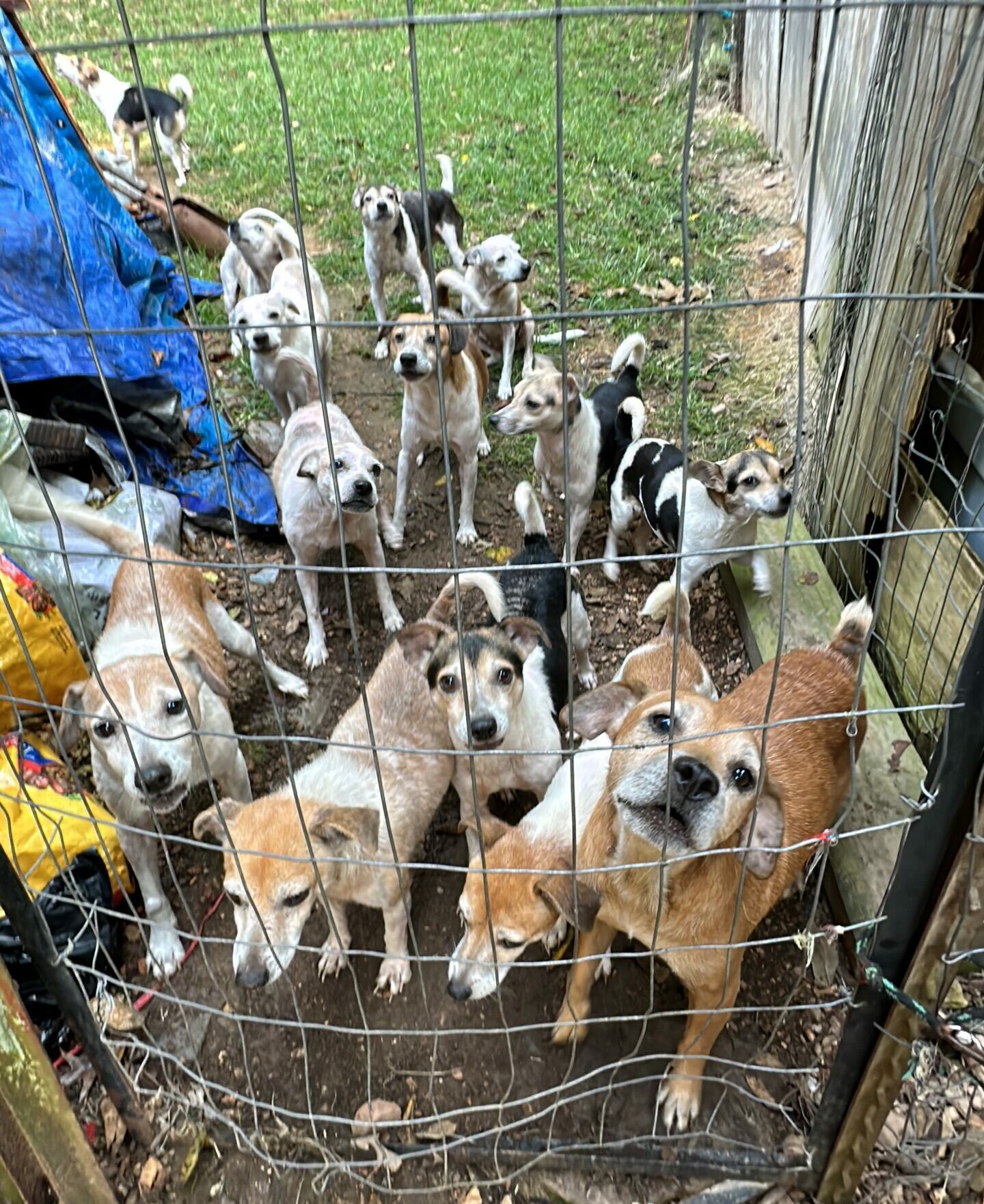
Professional trainers use positive reinforcement to build trust, teach basic manners, and reduce fear or aggression. These skills dramatically increase an animal’s chance of thriving in a home environment.
4. Foster Programs
Animals too young, ill, or anxious for kennel life stay with volunteer foster families. Home settings accelerate socialization and free up shelter space for new arrivals.
Challenges Faced by Rescue Centers
Even the most dedicated centers confront hurdles that can limit their reach:
1. Limited Resources
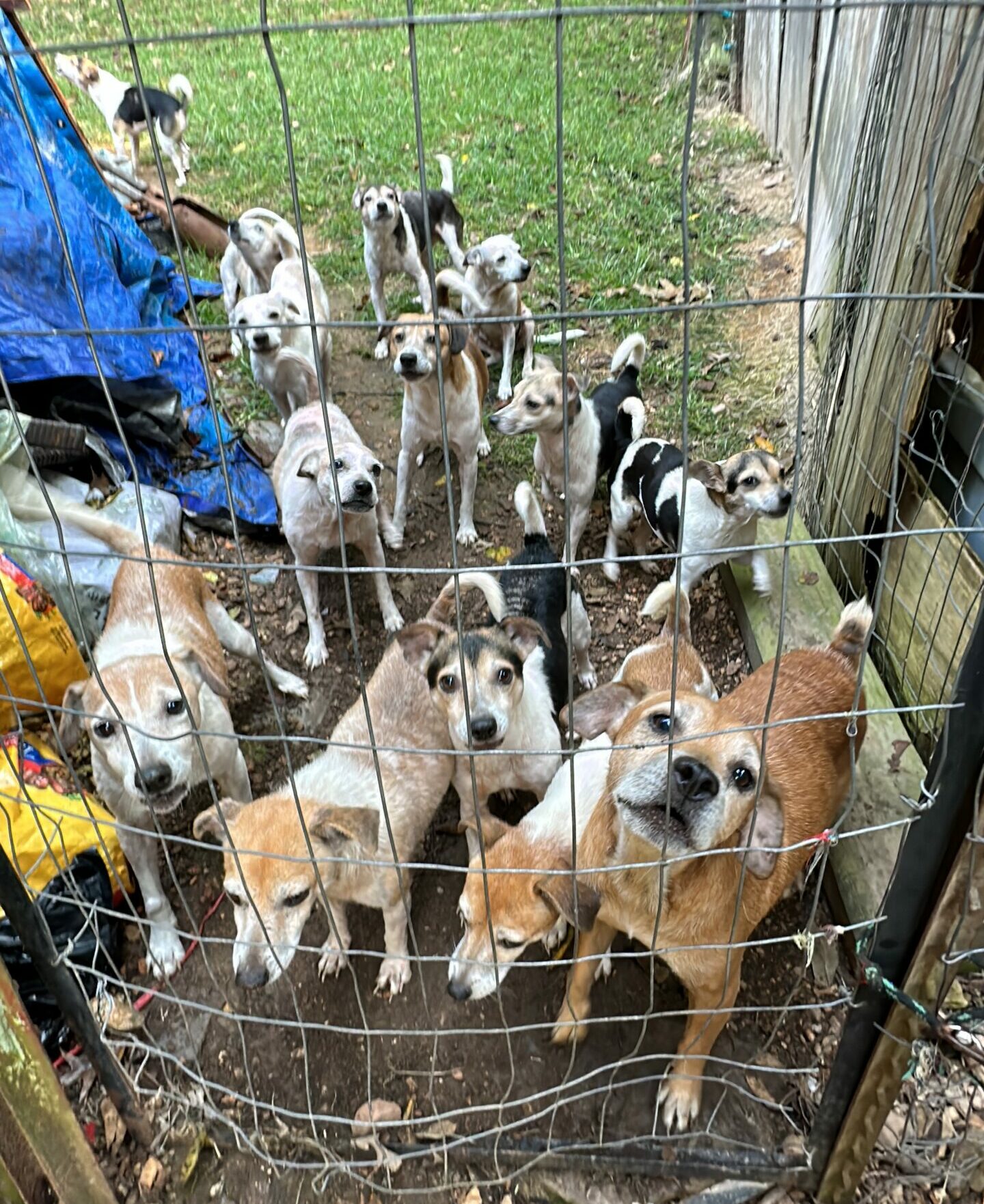
Veterinary bills, quality food, utilities, and staffing costs add up quickly. Many facilities depend on sporadic donations and grassroots fundraising to stay open.
2. Overcrowding
Persistent intake numbers can exceed adoption rates, leading to strained space, higher stress levels, and difficult decisions about capacity.
3. Public Misconceptions
Some people still view shelter animals as “damaged” or underestimate the time and cost of proper pet care, slowing adoption rates and increasing relinquishments.
The Positive Impact of Rescue Centers
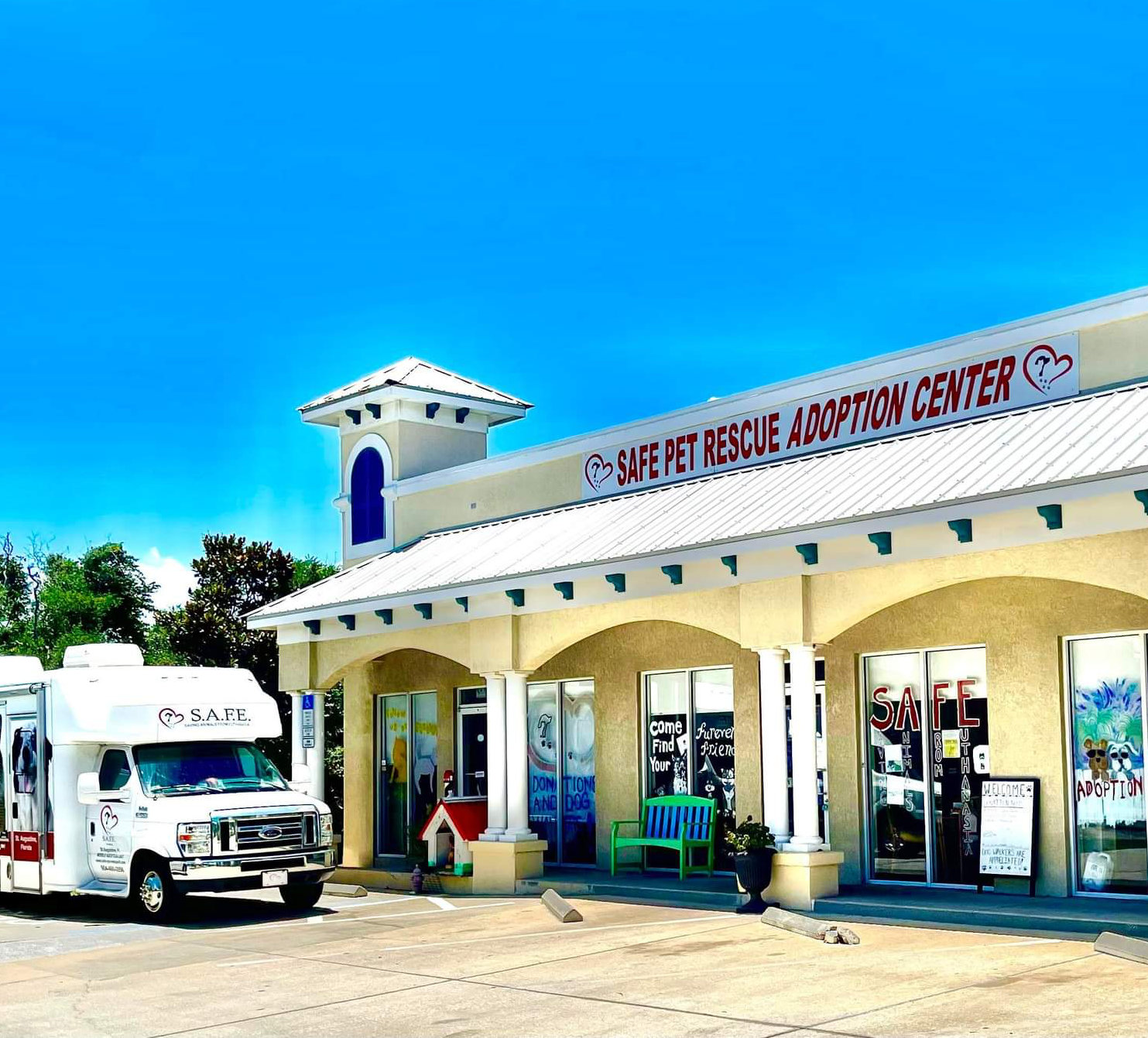
The benefits extend far beyond the animals themselves:
1. Enhanced Welfare
Safe housing, medical care, and enrichment activities restore physical health and emotional stability, giving each animal a genuine second chance.
2. Reduced Neglect and Cruelty
Education programs and media campaigns foster empathy and inform citizens how to report abuse, gradually lowering instances of mistreatment.
3. Community Value
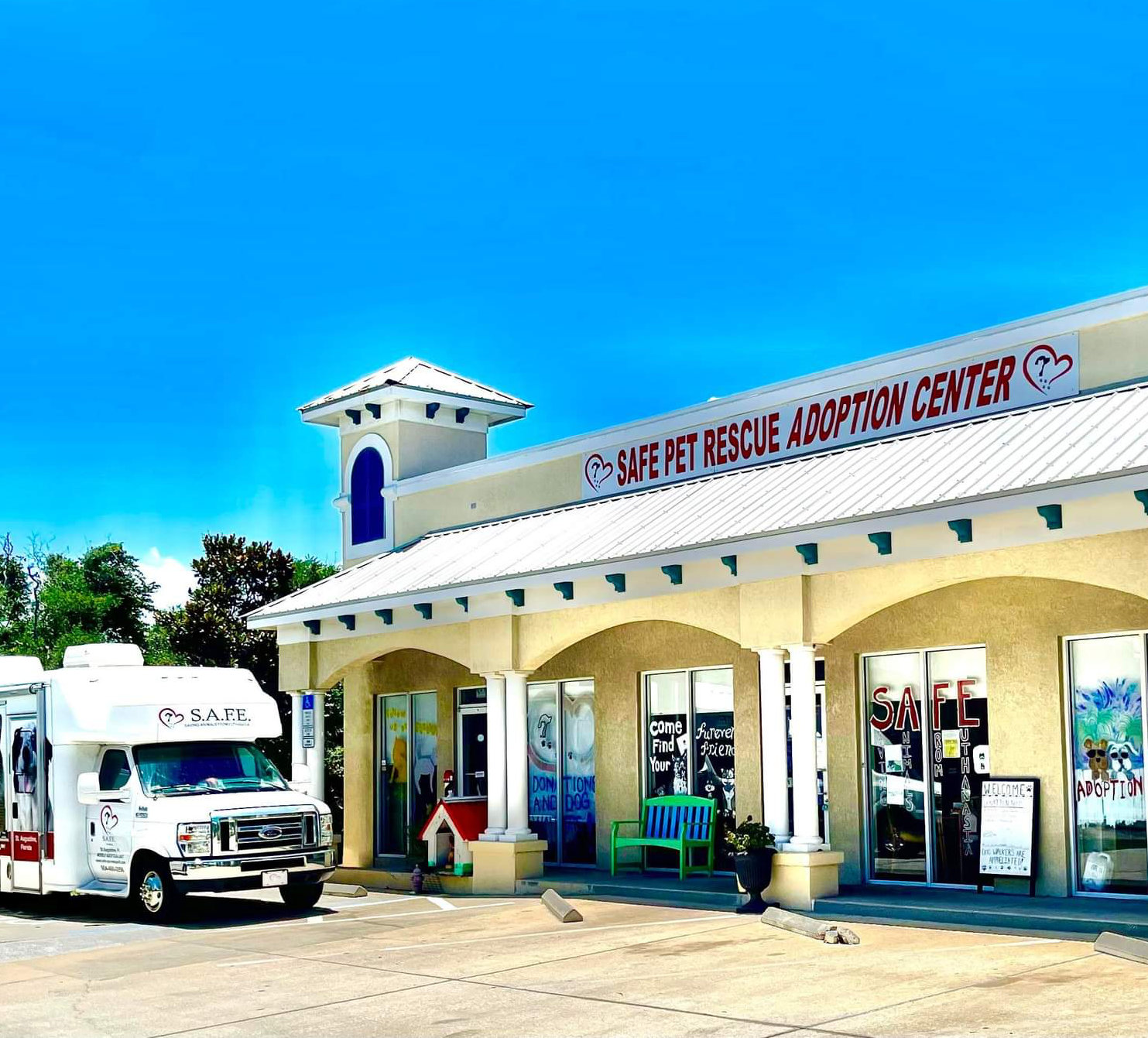
Fewer strays mean lower municipal control costs and safer neighborhoods. Adopters also gain loyal companions, improving mental health and social cohesion.
Conclusion
Rescue centers stand at the forefront of animal protection, transforming lives and promoting a more humane society. Though funding and space constraints persist, their positive influence is undeniable. Continued public support and collaboration among governments, businesses, and individuals will ensure these sanctuaries keep saving lives, restoring health, and inspiring compassion for generations to come.
Recommendations and Future Research
To strengthen the rescue network, stakeholders should consider the following steps:
1. Diversify funding through sustained donor programs, corporate partnerships, and modest municipal subsidies.

2. Formalize referral networks with veterinarians, trainers, and social-service agencies to streamline care and share expertise.
3. Launch targeted outreach that highlights adoption success stories and provides practical pet-care guidance.
Future studies could explore:
1. Long-term health and behavior of adopted animals to refine rehabilitation protocols.
2. The economic ripple effects of rescue centers on local businesses and public services.
3. Comparative effectiveness of training techniques for animals with fear-based or trauma-related behaviors.

Pursuing these initiatives will help rescue centers remain beacons of hope and catalysts for lasting improvements in animal welfare.