


Title: The Essential Role of Dog Rehoming Services in Animal Welfare
Introduction:
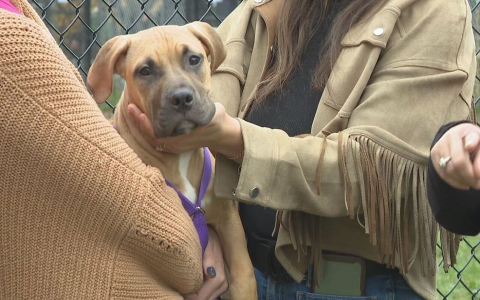
Dog rehoming services play a crucial role in animal welfare by providing a safe and supportive environment for dogs in need. These services not only help dogs find new homes but also contribute to the overall well-being of the animal population. This article aims to explore the significance of dog rehoming services, their impact on animal welfare, and the benefits they offer to both dogs and society.
The Importance of Dog Rehoming Services
Dog rehoming services are essential for several reasons. Firstly, they provide a solution to the issue of stray dogs, which can lead to various problems such as disease transmission, traffic accidents, and conflicts with local communities. By rehoming these dogs, rehoming services help reduce the stray population and create a safer environment for both humans and animals.
Secondly, dog rehoming services offer a second chance for dogs that have been abandoned or mistreated. Many of these dogs have been through traumatic experiences and may require additional care and attention. Rehoming services provide a supportive environment where these dogs can heal and find a loving home.
The Impact of Dog Rehoming Services on Animal Welfare
The impact of dog rehoming services on animal welfare is significant. Firstly, these services ensure that dogs receive proper care, including food, shelter, and medical attention. Many dogs that enter rehoming services may have health issues or require veterinary care, and rehoming services ensure that these needs are met.
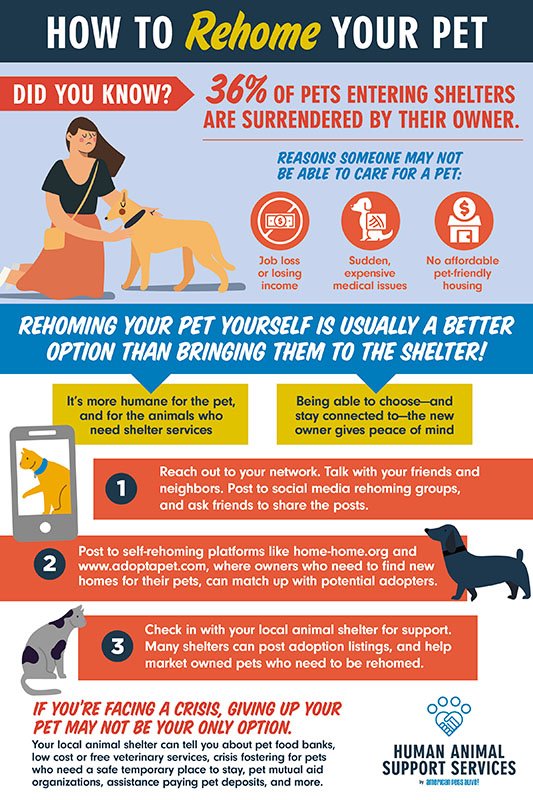
Secondly, dog rehoming services promote responsible pet ownership. By educating potential adopters about the responsibilities of pet ownership, rehoming services help create a more informed and compassionate pet-owning community. This, in turn, leads to better treatment and care for dogs in society.
The Benefits of Dog Rehoming Services
Dog rehoming services offer numerous benefits to both dogs and society. For dogs, rehoming services provide a chance for a new beginning, a loving home, and a stable environment. Many dogs that enter rehoming services have been through difficult experiences and may have a hard time finding a new home on their own. Rehoming services act as a bridge, connecting these dogs with potential adopters who are willing to provide them with a loving and supportive home.
For society, dog rehoming services contribute to a healthier and safer community. By reducing the stray dog population, rehoming services help prevent disease transmission and reduce conflicts with local communities. Additionally, dog rehoming services promote the well-being of animals, which can have a positive impact on the overall well-being of society.
The Role of Dog Rehoming Services in Addressing Overpopulation
One of the key challenges in animal welfare is the issue of overpopulation. Dog rehoming services play a crucial role in addressing this challenge by providing a solution for dogs that are at risk of being euthanized due to overpopulation. By rehoming these dogs, rehoming services help reduce the number of dogs that end up in shelters and ultimately contribute to a more sustainable animal population.
The Challenges Faced by Dog Rehoming Services
Despite their importance, dog rehoming services face several challenges. One of the main challenges is the lack of resources and funding. Many rehoming services operate on limited budgets and struggle to provide the necessary care and support for the dogs in their care. Additionally, the process of rehoming dogs can be complex and time-consuming, requiring a significant amount of effort and dedication.
The Future of Dog Rehoming Services
The future of dog rehoming services looks promising, but it requires a collaborative effort from various stakeholders. Governments, animal welfare organizations, and the general public all have a role to play in supporting and strengthening dog rehoming services. By increasing funding, improving infrastructure, and promoting responsible pet ownership, we can ensure that dog rehoming services continue to make a positive impact on animal welfare.
Conclusion:
Dog rehoming services play a vital role in animal welfare by providing a safe and supportive environment for dogs in need. These services not only help dogs find new homes but also contribute to the overall well-being of the animal population and society. By addressing the challenges faced by dog rehoming services and promoting responsible pet ownership, we can ensure a brighter future for dogs and the communities they live in.


