



Boxer Puppies: A Friendly Guide for Future Owners
Introduction
Boxer puppies continue to win hearts across the country with their unmistakable grin and boundless enthusiasm. Bred for both work and companionship, these bright, athletic dogs fit best with families who can match their energy and sense of humor. This overview offers practical advice on the breed’s background, personality, adoption journey, and day-to-day care.
History of the Boxer
The Boxer’s story begins in late-19th-century Europe, where hunters and cattlemen valued the breed’s strength and agility. Imported to North America soon after, the dogs quickly shifted from all-purpose farmhands to cherished household guardians. Their expressive faces, patient nature with children, and natural watchfulness have kept them in the top tier of family companions ever since.
Characteristics of Boxer Puppies

Expect a sturdy, square-built pup with a short, glossy coat and an alert, curious gaze. Beneath the wrinkle-flecked forehead lies a quick mind and a heart that craves togetherness. Key traits include:
1. Loyalty and Protectiveness
Boxers bond deeply with their people and stay tuned in to household moods. Without resorting to unnecessary aggression, they position themselves between loved ones and anything that feels “off,” making steady, reliable guardians.
2. Playful and Energetic
A Boxer puppy invents games all day long—tennis-ball soccer, garden zoomies, sofa parkour. Plan on brisk walks, interactive toys, and training games to burn steam and keep mischief at bay.
3. Social and Friendly

Well-socialized Boxers greet guests with a wagging whole body rather than just a tail. Early meet-ups with different people, dogs, sights, and sounds teach them to stay poised in new situations.
Adoption Process for Boxer Puppies
Bringing home a Boxer is less about a single transaction and more about building a lifelong partnership. Follow these general steps:
1. Research and Choose a Reputable Breeder or Shelter
Look for transparent health testing, clean facilities, and dogs that appear relaxed and well-socialized. Good sources welcome questions and remain available long after you take your puppy home.
2. Visit the Breeder or Shelter
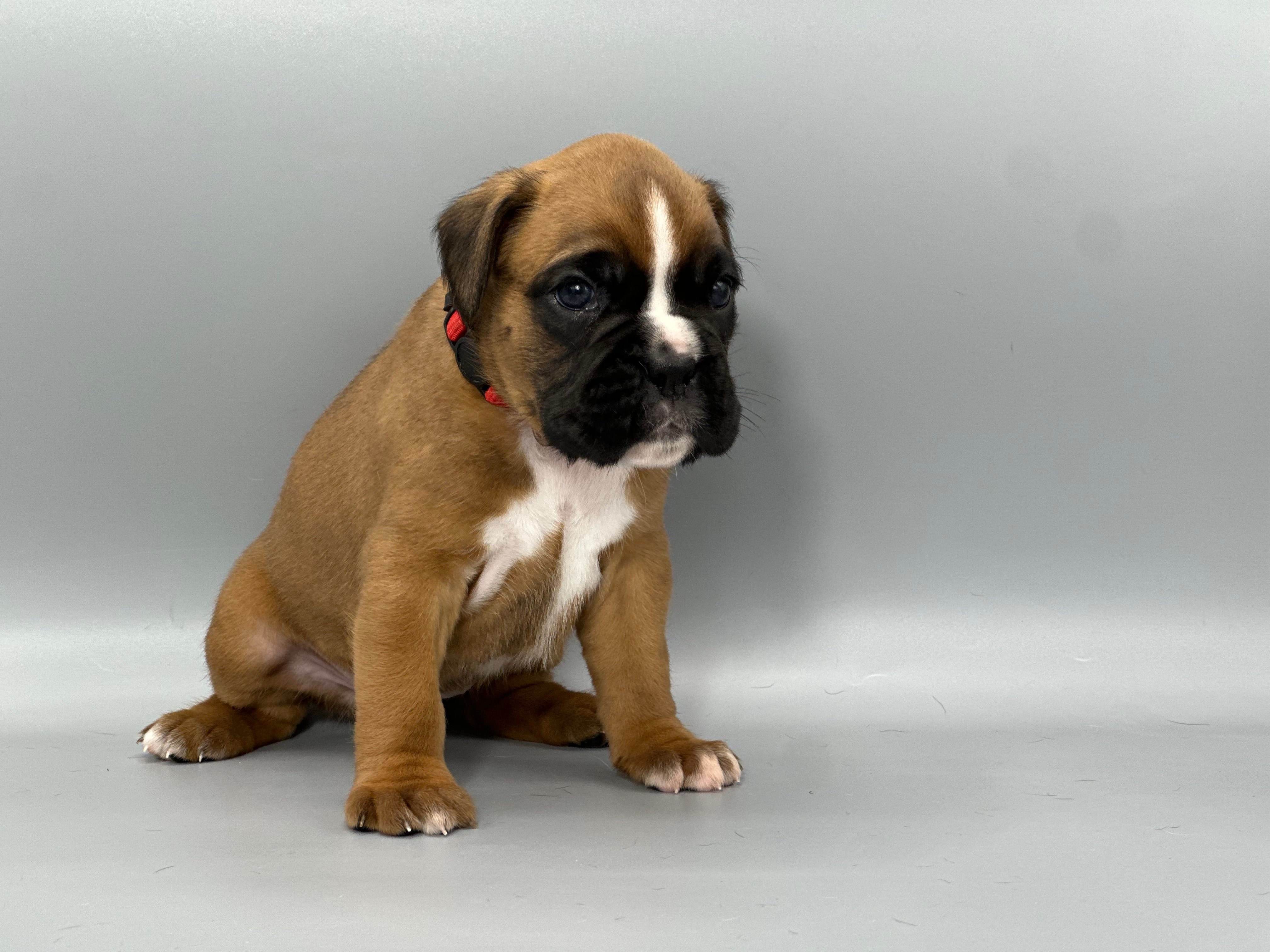
Meet the litter, watch pup-to-pup and pup-to-human interactions, and confirm that parents or shelter staff demonstrate kind, knowledgeable handling.
3. Fill Out an Application
Expect questions about your schedule, exercise plans, and previous pet experience. Honest answers help match you with the puppy whose temperament best suits your lifestyle.
4. Wait for Approval
Responsible organizations rarely release puppies on the spot. Use the waiting period to puppy-proof your home and gather supplies.
5. Finalize the Adoption
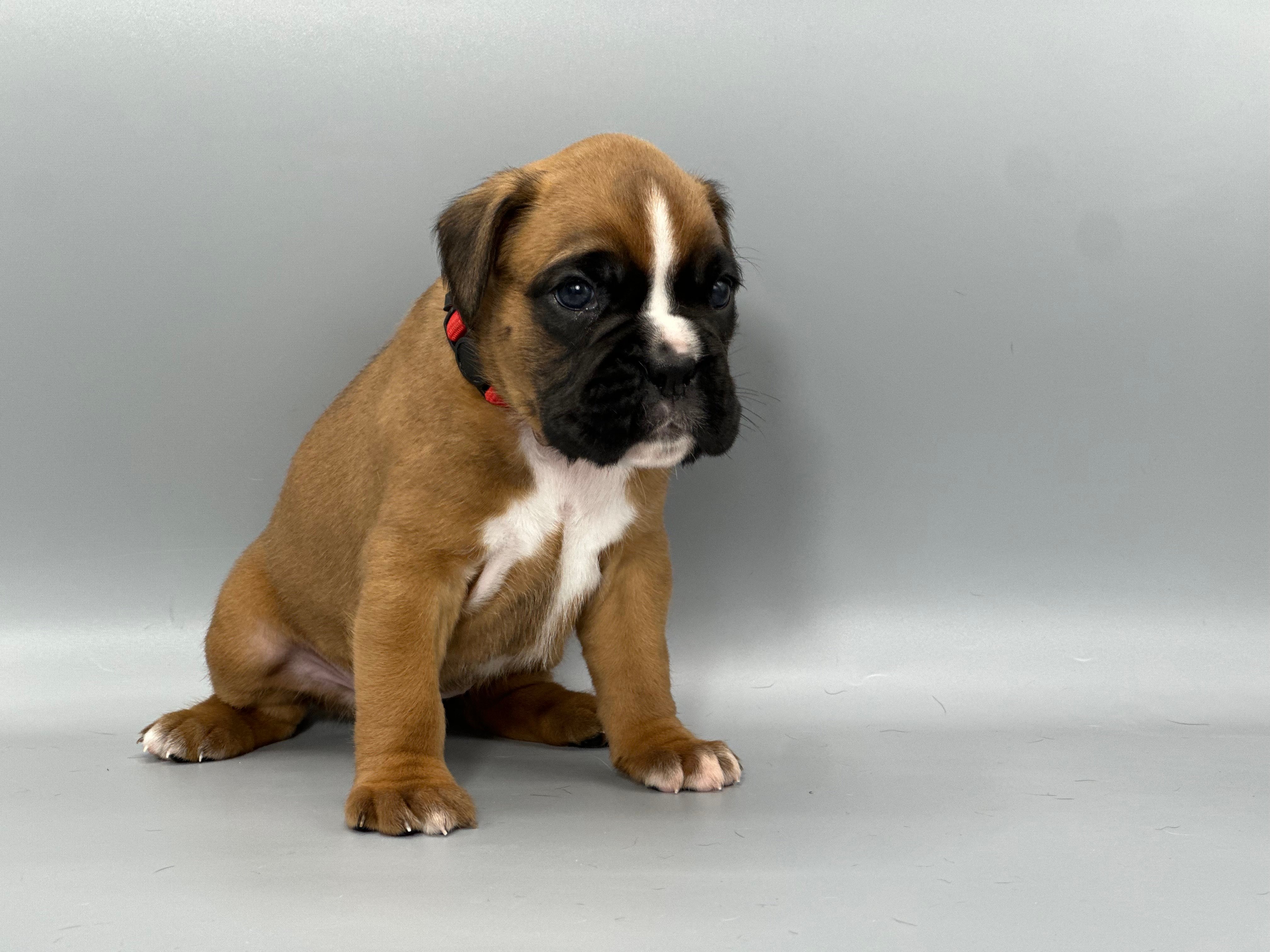
Complete any contracts, pay the agreed fee, and schedule the first veterinary visit. Then enjoy the ride—your new shadow has arrived!
Care Requirements for Boxer Puppies
Raising a healthy, polite Boxer boils down to consistency, exercise, and affection. Focus on these pillars:
1. Proper Diet
Choose a high-quality puppy food approved for large-breed growth. Divide meals into three or four small servings to reduce the risk of bloat, and adjust portions as your vet recommends.
2. Regular Exercise
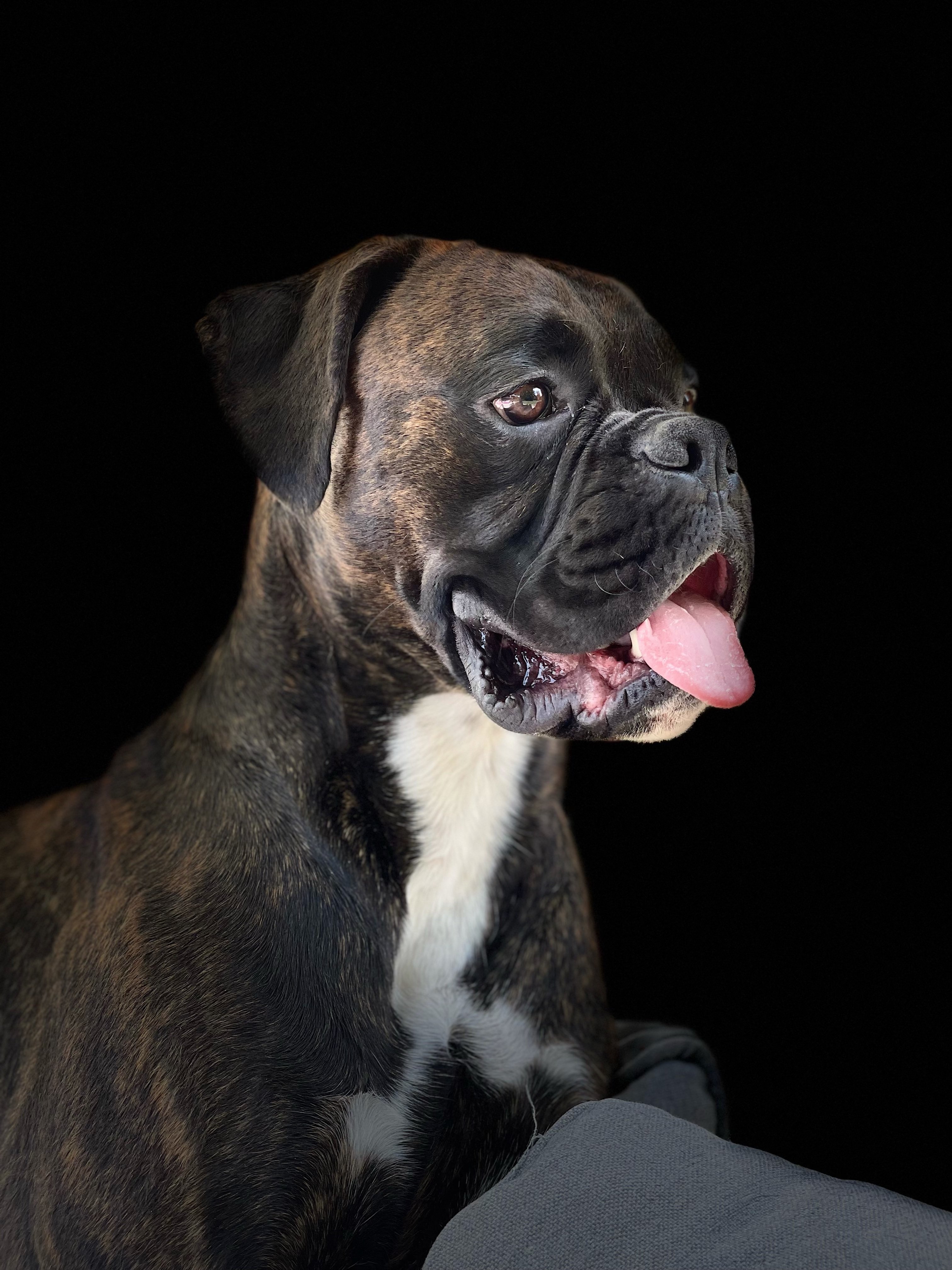
Five minutes of structured activity per month of age, twice daily, is a good rule of thumb. Supplement with sniff walks, fetch, or gentle tug to satisfy both body and mind.
3. Training and Socialization
Start with name recognition, sit, down, and come. Reward generously, keep sessions short, and expose your pup to varied environments so confidence grows alongside size.
4. Regular Veterinary Care
Follow your vet’s vaccination and deworming schedule, discuss heart-worm and flea prevention, and schedule spay or neuter surgery if appropriate. Annual checkups catch small issues before they snowball.
Conclusion
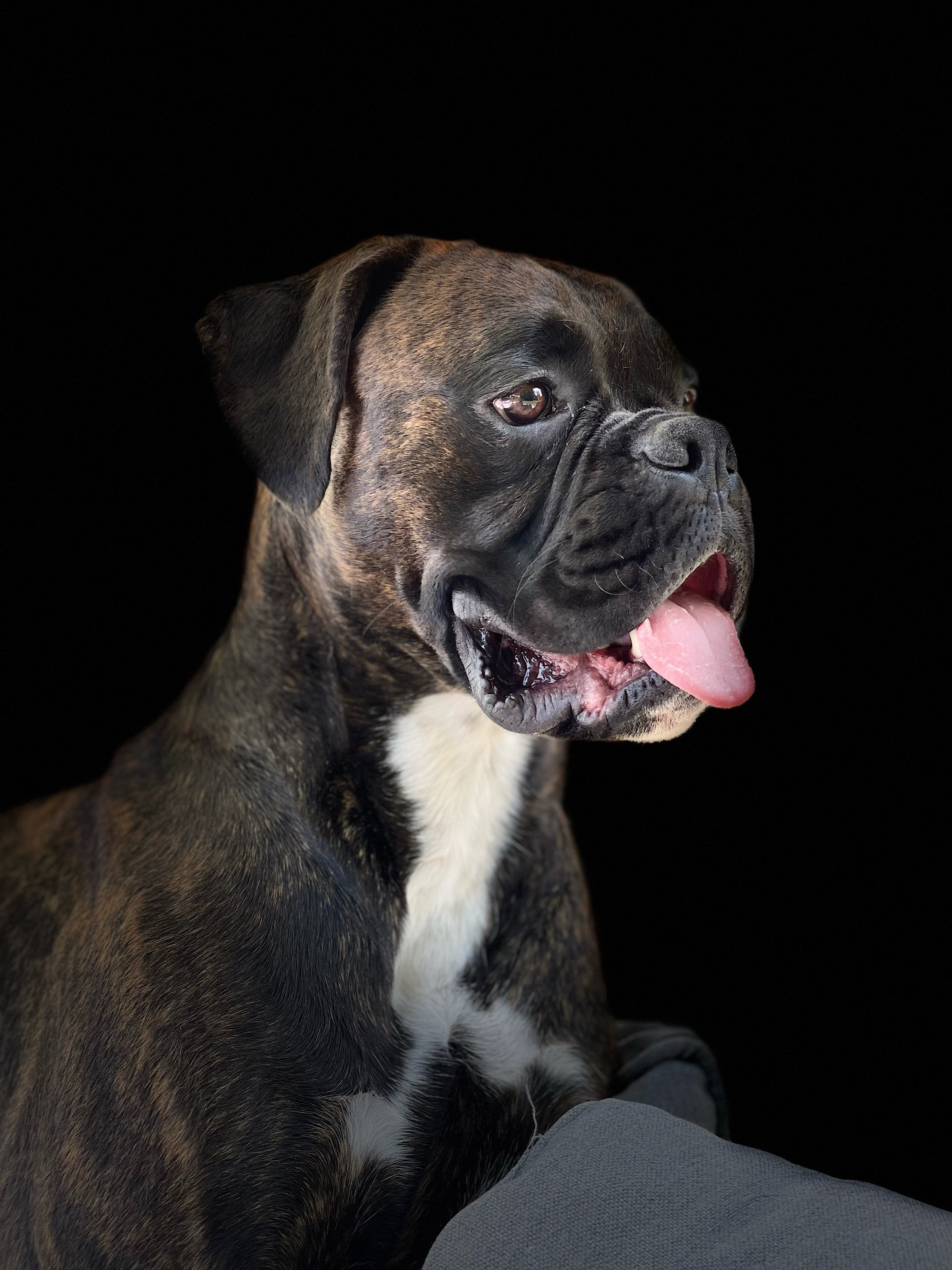
A Boxer puppy adds laughter, loyalty, and a daily dose of cardio to the right home. By learning about the breed’s needs upfront and committing to positive training, you set the stage for a smooth transition from rambunctious pup to steadfast adult companion.
Future Research and Recommendations
Ongoing study helps every generation of Boxers live healthier, happier lives. Areas worth exploring include:
1. Tracking hereditary conditions such as arrhythmia or hip dysplasia to refine breeding decisions and inform owners early.
2. Comparing modern reinforcement-based training styles with traditional methods to identify the most effective, humane practices for this sensitive yet spirited breed.
3. Creating open-source care manuals that unite breeders, rescues, trainers, and veterinarians around best-practice protocols for nutrition, exercise, and behavioral health.

By sharing knowledge and refining standards, we can ensure that every Boxer enjoys a vibrant, well-rounded life as a beloved family member.


