The Impact of Cat and Bunny Popularity on Pet Ownership Trends
Introduction
Across the globe, more households are opening their doors to feline and lagomorph companions, and the shift is reshaping how people think about pets. This article explores why cats and rabbits have captured so many hearts, how their rise is steering broader ownership patterns, and what the trend means for animals and people alike.
The Unique Characteristics of Cats and Bunnies
1.1 Cats: Independent and Versatile Companions
Cats thrive in studio flats or sprawling houses, need little outdoor space, and entertain themselves while still offering affection on their own terms. Their quiet presence and natural pest-curiosity make them an easy fit for busy lifestyles.
1.2 Bunnies: Gentle and Playful Companions
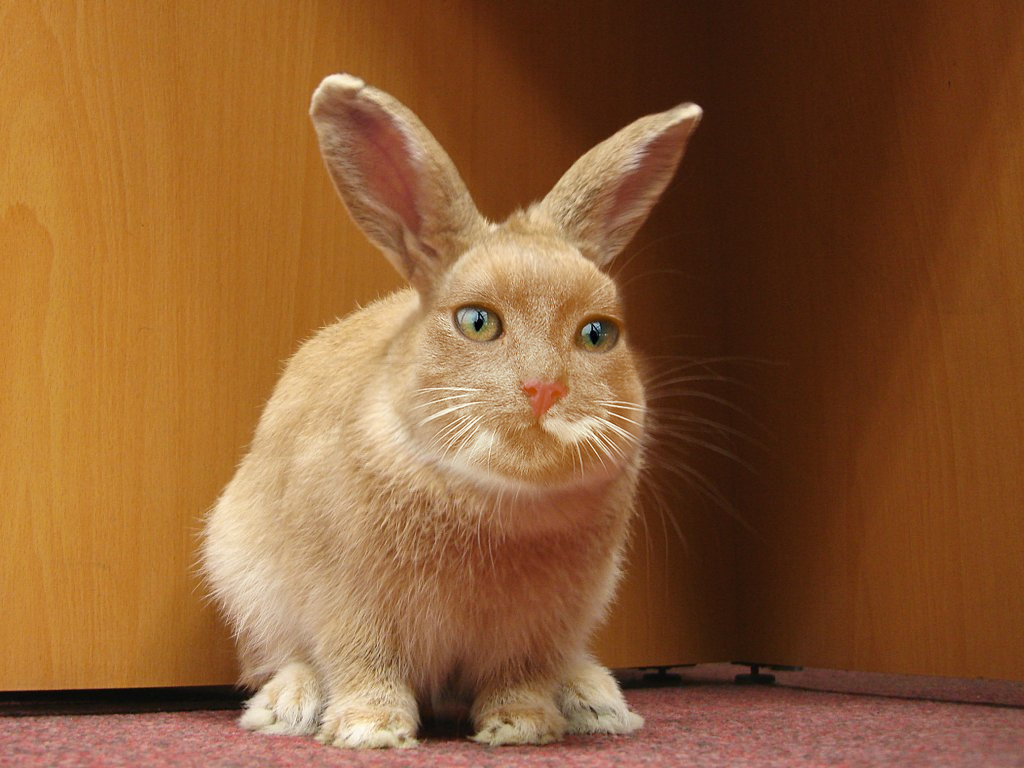
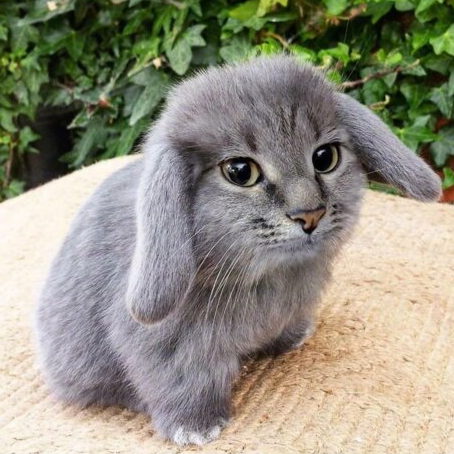
Rabbits win admirers with soft fur, expressive ears, and lively hops. Daily playtime and gentle handling reveal social personalities that rival those of more traditional pets, while their plant-based diets appeal to eco-minded households.
The Social and Psychological Benefits of Owning Cats and Bunnies
2.1 Emotional Support
Stroking a purring cat or watching a bunny explore a room can lower heart rate and ease tension. Shared photos and stories in online groups also create friendships among owners, widening support networks without leaving home.
2.2 Cognitive Stimulation
Designing cardboard castles for rabbits or clicker-training cats keeps minds active on both sides of the relationship. Inventing new games strengthens memory, creativity, and problem-solving skills for caregivers of every age.
The Impact on Pet Ownership Trends
3.1 Changes in Pet Ownership Demographics
Urban professionals and young families increasingly choose compact, quieter companions that suit rental agreements and smaller footprints. Pet-friendly cafés, subscription toy boxes, and mobile grooming vans have sprung up to meet the demand.
3.2 The Pet Industry’s Economic Impact
Spending on enrichment toys, specialty diets, and veterinary wellness plans has climbed steadily, supporting local shops, veterinary clinics, and creative start-ups focused on feline and lagomorph care.
The Challenges of Cat and Bunny Ownership
4.1 Responsible Pet Ownership
Both species need balanced nutrition, routine health checks, and safe spaces to thrive. Education about lifespan, exercise needs, and daily interaction helps prevent impulse adoptions and future surrenders.
4.2 The Ethical Considerations of Breeding
High demand can encourage large-scale breeding that prioritizes quantity over health. Choosing adoption centers that prioritize animal welfare, or seeking reputable breeders who screen for genetic issues, reduces strain on rescue systems.
Conclusion
Cats and bunnies have moved from niche choices to mainstream companions, influencing how people live, spend, and connect. Celebrating their appeal goes hand in hand with promoting informed, compassionate care so the relationship remains rewarding for every whiskered or floppy-eared friend.
Recommendations and Future Research
To further enhance the understanding of cat and bunny ownership, the following recommendations and future research directions are proposed:
– Conduct more research on the long-term health and well-being of cats and bunnies to inform responsible pet ownership practices.
– Explore the impact of social media and online communities on the popularity of cats and bunnies and their influence on pet ownership trends.
– Investigate the ethical implications of breeding and the role of shelters and rescue organizations in reducing overpopulation.
– Develop educational programs to promote responsible pet ownership and the importance of adopting from shelters or rescue organizations.
By addressing these recommendations and directions, we can continue to support the well-being of cats and bunnies while enjoying the companionship they provide.