


Bichon Frise Price Overview: A Friendly Guide
Introduction
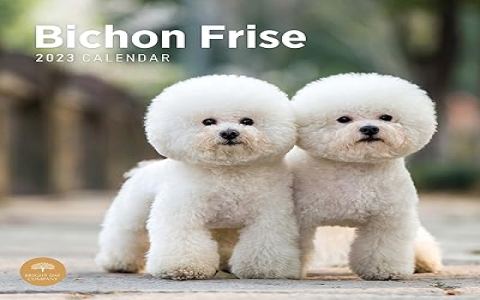
The Bichon Frise, a small, cheerful dog with a cloud-like coat, has become a favorite companion in many households. As more families fall for its playful charm, the average cost of a puppy has moved upward. This short guide explores what shapes the price, how the market is shifting, and what new owners might expect in the seasons ahead.
Key Factors That Shape the Price
1. Breeder Practices
Responsible breeders who prioritize health screenings, early socialization, and clean living conditions usually set higher prices. Their experience and transparent practices give buyers confidence that the puppy has had a strong start in life.
2. Ancestry and Pedigree
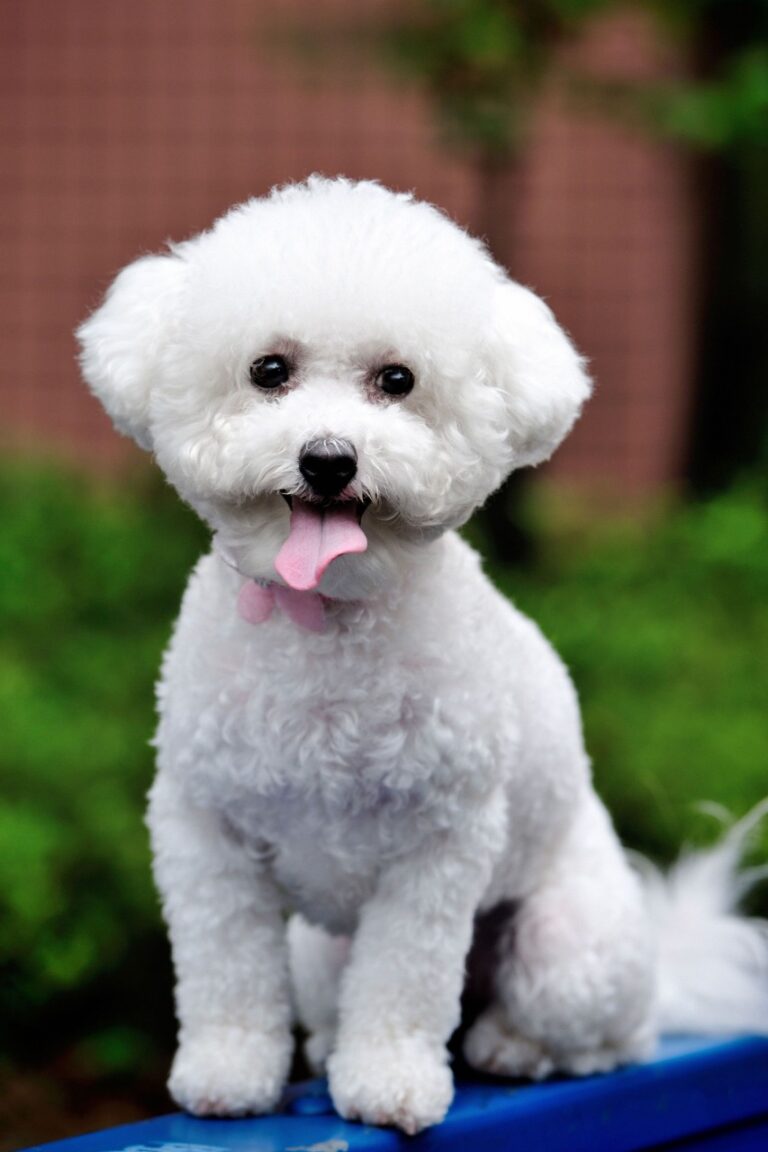
Puppies whose parents have show titles or come from a long line of healthy, well-tempered dogs often command a premium. Clear pedigree records help buyers predict adult size, coat quality, and temperament.
3. Health Checks
Puppies examined by a licensed vet, vaccinated on schedule, and screened for common breed issues typically cost more upfront. These checks reduce surprise medical bills later and offer peace of mind.
4. Seasonal Demand
Prices can rise shortly before major holidays or during vacation periods when families have more time to welcome a new pet. Conversely, quieter months may bring modest discounts if local supply is steady.
Market Trends
1. Rising Popularity in Cities
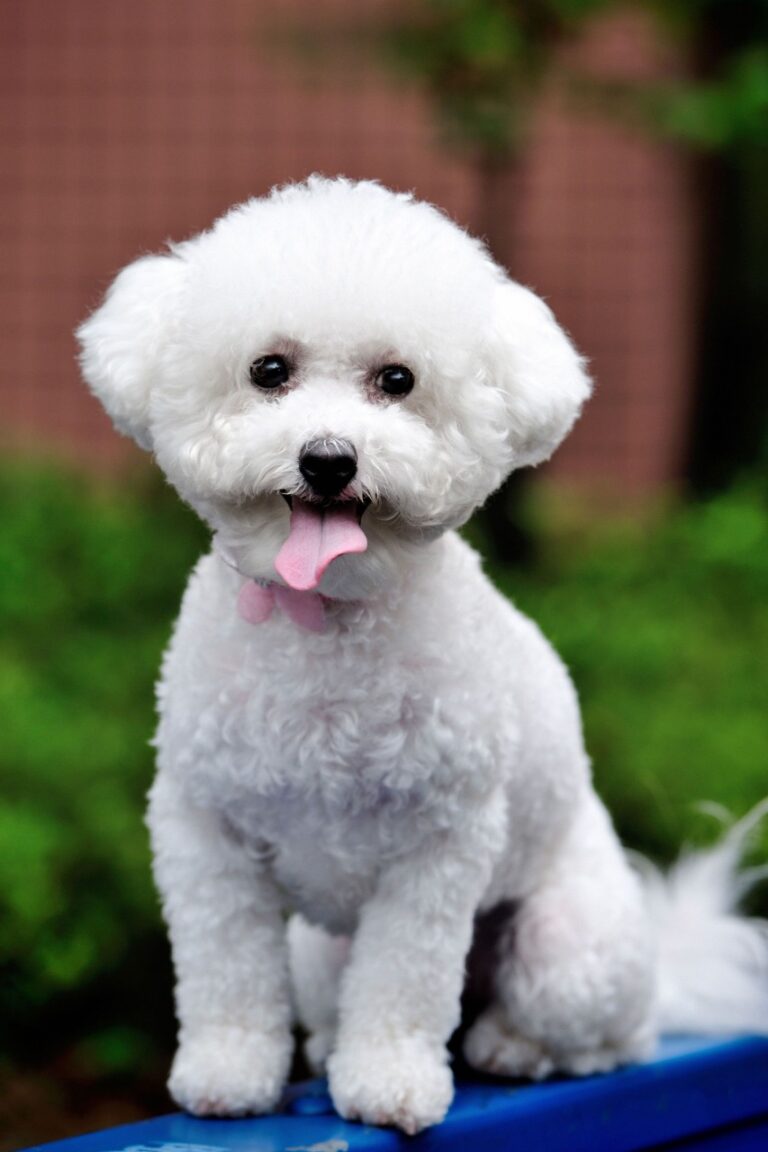
Apartment-friendly size and minimal shedding have made the Bichon a top pick for urban dwellers. Social media photos of fluffy “cloud dogs” continue to fuel interest among first-time owners.
2. Lifestyle Shifts
Longer work-from-home schedules mean more people can supervise a puppy’s training. This flexibility has nudged fence-sitters toward adoption, tightening availability in several regions.
3. Greater Pet Awareness

Online groups share tips on grooming, nutrition, and vet care, encouraging prospective owners to invest in a well-bred puppy rather than an impulse purchase. This informed demand supports ethical breeders and steady price levels.
Looking Ahead
1. Steady Demand
Interest shows no sign of fading. Waiting lists for upcoming litters remain common, suggesting prices will stay firm or inch higher, especially for puppies raised in home environments with early training.
2. Focus on Welfare Standards
Conversations about humane breeding are prompting more sellers to offer health guarantees and lifetime return policies. Such extras may add to the initial cost but improve long-term value for buyers.

3. Growth of Pet Services
New grooming salons, training centers, and pet-insurance plans make ownership easier. As the support network expands, the breed’s appeal—and its market value—should remain strong.
Conclusion
The price of a Bichon Frise puppy reflects breeder care, lineage, health checks, and current demand. While the upfront figure may seem high, choosing a responsibly raised dog often saves money and heartache over time. By researching breeders, timing the purchase wisely, and budgeting for lifelong care, families can welcome a happy, healthy fluff ball into their lives without unwanted surprises.


